

Conference Coverage
Latest Content

Oct 25, 2026 | News
Ivonescimab Plus Chemotherapy Represents a New SOC in First-Line Biliary Tract Cancer

CLARITY-Gastric01 Shows OS Benefit With Sonesitatug Vedotin in Pretreated CLDN18.2+ Gastroesophageal Carcinoma
Oct 25, 2026

Divarasib Improves Survival and Paves Way for New SOC in Pretreated KRAS G12C–Mutated NSCLC
Oct 25, 2026

SAFFRON Data Reveal New Global SOC in EGFR+ NSCLC With MET Overexpression and/or Amplification After Osimertinib
Oct 25, 2026

Tovecimig Plus Paclitaxel Improves ORR vs Paclitaxel Alone in Biliary Tract Cancer
Oct 24, 2026



Advertisement
OncLive TV
















Shorts

0:40
The OncLive Content Team Gets Creative at ESMO 2026
an hour ago
by
Riley Kandel

0:22
Choose Your Character: ESMO Edition
2 days ago
by
Riley Kandel

1:47
Previewing Key GU Oncology Data Anticipated at ESMO 2026
3 days ago
by
Praful K. Ravi, MD
1:03
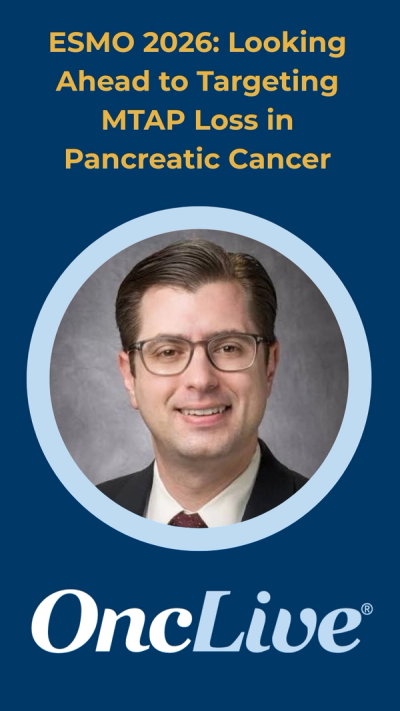
ESMO 2026: Looking Ahead to Targeting MTAP Loss in Pancreatic Cancer
3 days ago
by
Brandon G. Smaglo, MD, FACP

1:04
Exploring Advances in Clinical Trial Design and FDA Collaboration
9 days ago
by
Chinmay Jani, MD

1:04
Building Clinical Trial Expertise Through OncLive’s Workshop
9 days ago
by
Chinmay Jani, MD
1:43
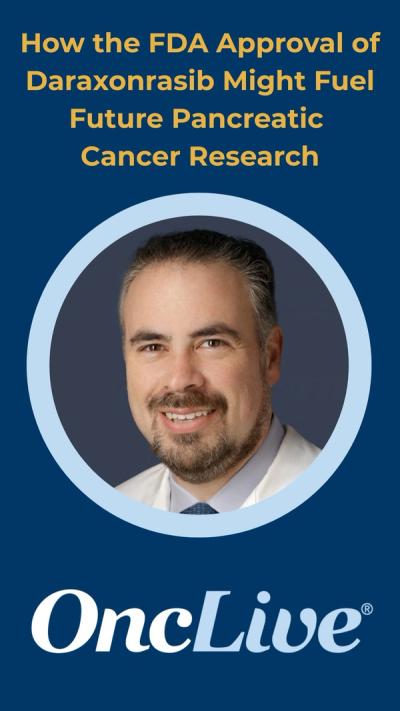
How the FDA Approval of Daraxonrasib Might Fuel Future Pancreatic Cancer Research
9 days ago
by
Benjamin Weinberg, MD

0:48
Understanding Development From Bench to Bedside
9 days ago
by
Ruth Moges, MD

2:00
Exploring the Promise of Clinical Trials Through Inside the Trial
9 days ago
by
Benjamin P. Levy, MD

0:48
Strengthening Clinical Trial Education and Collaboration Through Inside the Trial
10 days ago
by
Joshua Reuss, MD, Georgetown Lombardi Comprehensive Cancer Center




















































All News
Advertisement
Advertisement

Adding LK101 to tislelizumab-based first-line maintenance yielded early antitumor activity and signs of immune activation in advanced NSCLC.
Adding durvalumab and enfortumab vedotin around cystectomy extended survival in muscle-invasive bladder cancer without cisplatin options.

Adding pembrolizumab to adjuvant radiation did not meet prespecified superiority criteria in patients with stage I/II high-intermediate–risk dMMR endometrioid endometrial cancer in the phase 3 NRG-GY020 trial.

Adding tarlatamab-dlle to durvalumab maintenance extended survival in extensive-stage small cell lung cancer in the phase 3 DeLLphi-305 trial.
Adding intismeran autogene to pembrolizumab cut the risk of recurrence and distant metastasis in resected high-risk melanoma in INTerpath-001.

Adding darolutamide to androgen deprivation and primary or salvage radiation lowered metastasis risk in very high-risk localized prostate cancer.

INCA33890 combined with standard-of-care therapy produced responses in first- and third-line metastatic microsatellite stable colorectal cancer.

An exploratory TROPION-Breast02 analysis showed CNS PFS and intracranial response benefits with datopotamab deruxtecan in TNBC with brain metastases.

Adding durvalumab to BCG induction and maintenance reduced high-risk recurrences in patients with papillary-only bladder tumors in POTOMAC.
Interim DUO-E data showed longer median survival with chemotherapy plus durvalumab and olaparib maintenance that did not reach significance.
Advertisement

Perioperative enfortumab vedotin plus pembrolizumab showed no clinically meaningful HRQOL detriment in cisplatin-eligible MIBC.

Circulating tumor DNA findings from CROWN tied TP53 status and tumor fraction to outcomes with first-line lorlatinib in ALK-positive lung cancer.
Neoadjuvant T-DXd produced faster imaging responses vs ddAC in DESTINY-Breast11, but imaging poorly predicted pCR.

Abemaciclib plus fulvestrant showed a numerical yet nonsignificant overall survival trend after CDK4/6 inhibitor progression in final postMONARCH data.

INCB123667 with bevacizumab showed antitumor activity in heavily pretreated, cyclin E1–overexpressing platinum-resistant ovarian cancer.

Selective CDK4 inhibitor atirmociclib plus fulvestrant reduced risk of progression or death by 40% vs investigator's choice of therapy in the phase 2 FOURLIGHT-1 trial.

Signifcant efficacy improvements were shown with iza-bren in HR+/HER2-negative breast cancer.

The FDA approved dostarlimab in rectal cancer and pembrolizumab in tumors with high mutational burden, Europe cleared teclistamab in myeloma, and more.

The claudin 6–targeted antibody-drug conjugate ixotatug vedotin showed antitumor activity in recurrent germ cell tumors, including after transplant.

An exploratory analysis of the phase 3 KEYNOTE-B15 trial found that ctDNA status was strongly prognostic for event-free survival regardless of treatment arm.
The KEYNOTE-866 trial did not meet its EFS primary end point with perioperative pembrolizumab added to neoadjuvant cisplatin and gemcitabine.
The sacituzumab govitecan, enfortumab vedotin, and zimberelimab triplet produced early, durable responses in untreated metastatic urothelial cancer.

Surufatinib plus serplulimab and cisplatin/etoposide produced a 69.8% ORR in advanced extrapulmonary neuroendocrine carcinoma.

Efficacy outcomes in KEYNOTE-905 were consistent with a contribution of both enfortumab vedotin and pembrolizumab in cisplatin-ineligible MIBC.
Patient-reported outcomes from the phase 3 lidERA trial show preserved functioning and less frequent joint pain with giredestrant vs standard endocrine therapy.
Arcotatug tavatecan improved PFS and OS vs physician’s choice in previously treated, CLDN18.2-positive advanced gastric and GEJ cancer.
Exploratory subgroup analyses of the phase 2 DOVACC trial suggested a possible signal with the triplet in HRD-negative and PARP inhibitor–naive disease.

Perioperative nivolumab plus neoadjuvant chemotherapy did not significantly improve pCR rate or event-free survival in MIBC.

A protein called MPP8 helps drive chemotherapy resistance in the most-aggressive subtype of breast cancer, and suppressing its expression has the potential to improve treatment outcomes.

Overall survival benefit of daraxonrasib vs chemotherapy extends across RAS genotypes, chemotherapy regimens, and prior treatment settings.

MajesTEC-9 data supported an EU indication expansion for teclistamab in relapsed/refractory multiple myeloma.

Did you catch all of this week's top oncology news? Test your knowledge with OncLive's Weekly News Quiz.
Readers share their opinions on some of the most talked-about lung cancer abstracts they’re looking forward to seeing at ESMO 2026.
Readers share their opinions on some of the most talked-about gynecologic cancer abstracts they’re looking forward to seeing at ESMO 2026.

Gastrointestinal oncologists weigh HER2 testing practices, the order of HER2-directed therapies, and emerging agents for metastatic colorectal cancer.

The FDA has granted traditional approval to pembrolizumab for unresectable/metastatic TMB-H solid tumors.

The FDA granted fast track designation to SBE303 for locally advanced or metastatic urothelial cancer previously treated with enfortumab vedotin.
The oral PLK1 inhibitor onvansertib received FDA orphan drug designation in CMML.
Phase 1 data support continued investigation of roginolisib in advanced cancers, including metastatic uveal melanoma.

Two MD Anderson Cancer Center researchers were elected to the National Academy of Medicine for contributions to cancer care and research.

Breast cancer experts address frequently asked questions on adjuvant and metastatic CDK4/6 inhibitor selection in HR-positive breast cancer.

The European Commission approved pembrolizumab plus enfortumab vedotin for muscle-invasive bladder cancer, irrespective of cisplatin eligibility.

Thoracic oncologists weigh how TROP2-directed antibody-drug conjugates fit into sequencing and combination strategies for EGFR-mutated NSCLC.

Patients with pancreatic cancer experience measurable changes in body composition years before diagnosis that differ from those seen in similar individuals without cancer.
Lisaftoclax plus acalabrutinib earned breakthrough therapy status in China for untreated CLL/SLL.
Advertisement
Advertisement
Trending on OncLive
1
Durvalumab Plus Enfortumab Vedotin Improves Survival in Cisplatin-Ineligible MIBC
2
Tovecimig Plus Paclitaxel Improves ORR vs Paclitaxel Alone in Biliary Tract Cancer
3
Pembrolizumab Plus Radiation Fails to Improve Recurrence-Free Survival in Early-Stage High-Intermediate–Risk dMMR Endometrial Cancer
4
LK101 Plus Tislelizumab Elicits Responses in Advanced NSCLC
5