


Mantle Cell Lymphoma
Latest News
Advertisement
Latest Videos

CME Content































Advertisement
More News

The FDA has granted an orphan drug designation to LP-284, a novel small-molecule, next-generation acylfulvene, for the treatment of mantle cell lymphoma

Driven by his twin passions for music and science, Louis M. Staudt, MD, PhD, has made a career out of reading between the notes.
LP-284 showed superior antitumor activity compared with LP-184 independent of PTGR1 expression levels in DNA damage repair–deficient mantle cell lymphoma cell lines.
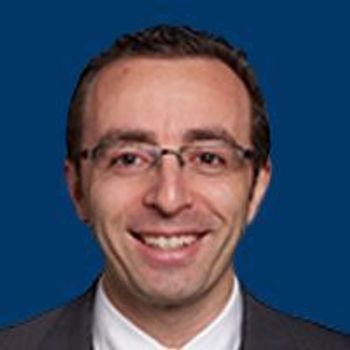
Joshua Brody, MD, discussed significant updates in MCL treatment presented at the 2022 ASH Annual Meeting, including results from the phase 1/2 BRUIN trial of pirtobrutinib, follow-up data from the phase 2 ZUMA-7 trial on CAR T-cell therapies, and next steps to expand the development of immunotherapies in this disease.
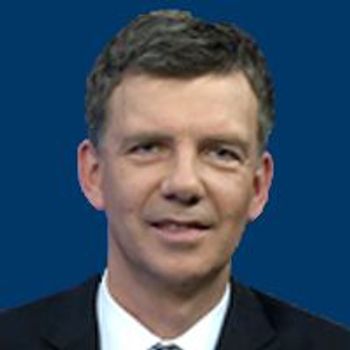
The addition of ibrutinib to standard chemoimmunotherapy induction followed by autologous stem cell transplantation (ASCT) and 2 years of maintenance ibrutinib significantly improved outcomes vs standard chemoimmunotherapy induction and ASCT alone for younger patients with mantle cell lymphoma.
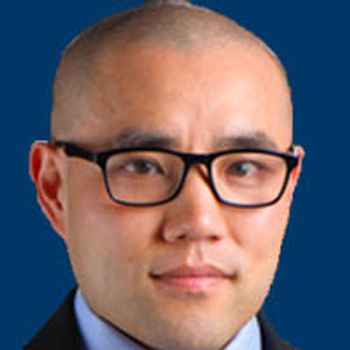
The combination of zilovertamab and ibrutinib resulted in promising clinical response and progression-free survival rates and showcased a tolerable toxicity profile in patients with mantle cell lymphoma and chronic lymphocytic leukemia.
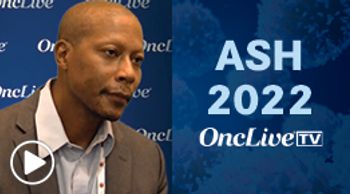
Tycel Phillips, MD, MPH, discusses the investigation of glofitamab monotherapy in relapsed/refractory mantle cell lymphoma.

Glofitamab administered as a fixed 12-cycle regimen 7 days after obinutuzumab pretreatment elicited high, early, and durable responses in patients with relapsed/refractory mantle cell lymphoma who had undergone prior BTK inhibitor therapy.
Dr Brody previews mantle cell lymphoma data being presented at the 2022 ASH Annual Meeting and Exposition, including promising data on pirtobrutinib from the BRUIN trial, the potential for CAR T-cell therapy as evidenced in the ZUMA-2 trial, and how immunotherapies such as glofitamab are expanding the treatment paradigm.
Improved mantle cell lymphoma treatments are necessary for patients who have relapsed on or are refractory to BTK inhibitors, according to findings from SCHOLAR-2, a multicenter, retrospective chart review of European patients with MCL who relapsed following or were intolerant to BTK inhibitors.

Ibrutinib therapy remains an effective treatment, particularly in the second line, in patients with relapsed/refractory mantle cell lymphoma.
Andre H. Goy, MD, discusses the clinical implications of treating indolent mantle cell lymphoma.
Zachary Epstein-Peterson, MD, discusses pivotal clinical trials in the treatment of patients with mantle cell lymphoma.
Zachary Epstein-Peterson, MD, discusses the importance of treatment sequencing decisions in mantle cell lymphoma.
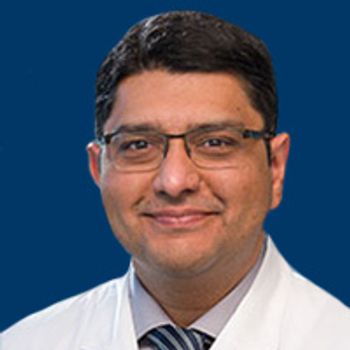
Farrukh Awan, MD, discusses new agents under investigation in chronic lymphocytic leukemia and mantle cell lymphoma and emphasizes the importance of weighing each drug’s risks and benefits against individual patient needs and preferences to make informed decisions.
Andre H. Goy, MD, discusses clinical trial vs real-world treatments in patients with mantle cell lymphoma.
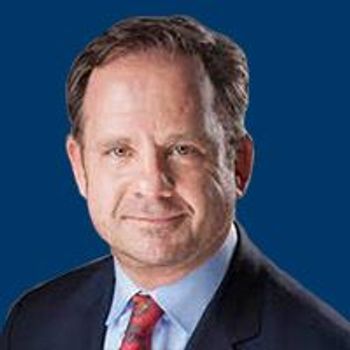
As research and treatment options for patients with mantle cell lymphoma continue to expand, the development of risk-adapted therapies for the 3 primary subtypes—blastoid, smoldering, and classic broad-spectrum—represents a crucial next step in the field.
Alexey V. Danilov, MD, PhD, discusses the next steps for researching noncovalent BTK inhibitors in mantle cell lymphoma.
Bendamustine plus rituximab followed by autologous stem cell transplant and maintenance rituximab led to comparable outcomes defined by progression-free survival and objective response rate compared with R-CHOP/R-DHAP and ASCT as induction therapy in patients with mantle cell lymphoma.
Alexey V. Danilov, MD, PhD, discusses the key differences between covalent and noncovalent BTK inhibitors in mantle cell lymphoma.
Maintenance treatment with rituximab following first-line treatment with rituximab plus bendamustine or rituximab plus cyclophosphamide, doxorubicin, vincristine, and prednisone produced an overall survival benefit in older patients with mantle cell lymphoma.
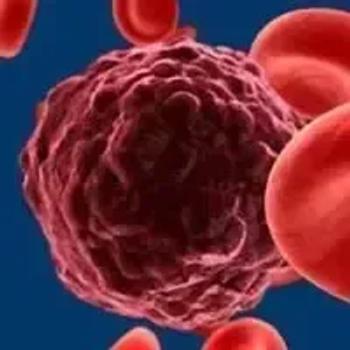
The ROR1-targeting bispecific T-cell engager NVG-111 elicited promising responses with a manageable safety profile in patients with relapsed/refractory chronic lymphocytic leukemia or mantle cell lymphoma.
Treatment with brexucabtagene autoleucel drove durable responses in patients with relapsed/refractory mantle cell lymphoma, particularly those with minimal residual disease negativity at 6 months.

Intensive first-line treatment with high-dose chemotherapy and autologous stem cell transplant was not associated with higher rates of late effects compared with outcomes from less intensive therapies in patients with mantle cell lymphoma.
Anita Kumar, MD, discusses considerations for the use of second-line BTK inhibitors in patients with mantle cell lymphoma who progress on BTK inhibitors.
Advertisement
Advertisement
Trending on OncLive
1
Single-Center, Retrospective Data Show Low Rate of Lifileucel Infusion Following Referral in Advanced Melanoma
2
Long-Term Cilta-Cel Data Show Low Rates of PFS Events in Standard-Risk R/R Myeloma
3
Real-World Data Support Clinical Benefit With Lifileucel in Previously Treated Advanced Melanoma
4
Dr Riedell on the Long-Term Efficacy of Tisa-Cel in R/R Follicular Lymphoma
5