

The FDA has granted an orphan drug designation to SynKIR-110, a first-in-class KIR-CAR T-cell immunotherapy candidate, for the treatment of patients with mesothelin-expressing mesothelioma.

Your AI-Trained Oncology Knowledge Connection!
The FDA has granted an orphan drug designation to SynKIR-110, a first-in-class KIR-CAR T-cell immunotherapy candidate, for the treatment of patients with mesothelin-expressing mesothelioma.

Gavocabtagene autoleucel demonstrated positive topline results from the phase 1 portion of a phase 1/2 trial in patients with mesothelin-expressing solid tumors.
The FDA has granted a fast track designation to KIN-2787 for use as a potential therapeutic option in patients with BRAF class II or III alteration–positive and/or NRAS mutation–positive, metastatic or unresectable, stage IIB to IV malignant melanoma.

TAC01-HER2 demonstrated early signals of clinical activity with a tolerable safety profile in patients with HER2-overexpressed solid tumors.
The FDA has granted a fast track designation to ficlatuzumab for the treatment of patients with relapsed or recurrent head and neck squamous cell carcinoma.

Single-agent dostarlimab showcased durable antitumor activity in patients with mismatch repair–deficient endometrial cancer and other solid tumors, with landmark estimates at various time points underscoring stable progression-free survival benefits in responders.
The combination of fianlimab and cemiplimab demonstrated clinically meaningful activity in patients with advanced melanoma who were naïve to anti–PD-1/PD-L1 therapy.

Zanidatamab zovodotin was found to produce encouraging responses and to have a manageable toxicity profile when used as a monotherapy in heavily pretreated patients with HER2-positive solid cancers.

The FDA has granted an orphan drug designation to the novel PD-L1/4-1BB bispecific antibody ATG-101 for the treatment of patients with pancreatic cancer.
The FDA has granted an orphan drug designation to the novel autophagy/palmitoyl protein thioesterase-1 inhibitor ezurpimtrostat for the treatment of patients with cholangiocarcinoma.
The FDA has granted an orphan drug designation to the CDK7 inhibitor SY-5609 for use as a potential therapeutic option in patients with relapsed metastatic pancreatic cancer.
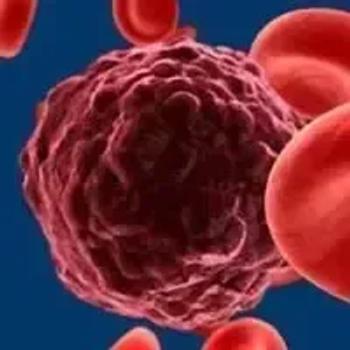
The ROR1-targeting bispecific T-cell engager NVG-111 elicited promising responses with a manageable safety profile in patients with relapsed/refractory chronic lymphocytic leukemia or mantle cell lymphoma.

The FDA has granted an orphan drug designation to DUNP19 for the treatment of osteosarcoma.

GSK3326595, a PRMT5 inhibitor, displayed modest efficacy and safety signals that were consistent with those that were previously reported with the agent among patients with advanced solid tumors.
The combination of enfortumab vedotin and pembrolizumab elicited a high overall response rate and a manageable safety profile in patients with locally advanced or metastatic urothelial cancer.

MEDI5752 plus chemotherapy doubled the duration of response and extended survival compared with pembrolizumab in patients with treatment-naïve nonsquamous non–small cell lung cancer.
The ULK1/2 inhibitor DCC-3116 was well tolerated as a monotherapy in patients with locally advanced or metastatic tumors harboring a RAS or RAF mutation.
Pembrolizumab plus abiraterone acetate and prednisone demonstrated continued efficacy and tolerability in patients with chemotherapy-naïve metastatic castration-resistant prostate cancer.

An updated analysis of the phase 1 SURPASS trial showed that ADP-A2M4CD8, a next-generational autologous T-cell receptor designed to patients with solid tumors, may be an effective therapy in MAGE-A4-positive disease.

The investigational carcinoembryonic antigen claudin 6 (CLDN6)–directed CAR T-cell therapy BNT211-01 displayed clinical activity both as monotherapy and in combination with a CLDN6-encoding mRNA vaccine in patients with CLDN6-positive relapsed/refractory advanced solid tumors.

Rhenium-186 nanoliposome administered at doses exceeding 100 Gy demonstrated promising safety and efficacy results in patients with recurrent glioma.
Azacitidine plus venetoclax showed encouraging activity in patients with high-risk myelodysplastic syndromes or chronic myelomonocytic leukemia.
The FDA has granted an orphan drug designation to AVA6000, a modified form of doxorubicin, for the treatment of patients with soft tissue sarcoma.
The FDA has granted an orphan drug designation to WP1122 as a potential therapeutic option for patients with glioblastoma multiforme.

The FDA has granted fast track designation to AMB-05X for the treatment of patients with tenosynovial giant cell tumors.
Emavusertib elicited antitumor activity when given as a monotherapy in patients with relapsed/refractory acute myeloid leukemia or high-risk myelodysplastic syndrome that harbored a spliceosome or FLT3 mutation.

The addition of the pre- and co-administration of nivolumab with concurrent chemoradiation appeared to be safe and feasible in patients with locally advanced cervical carcinoma, according to data from the phase 1 GOTIC-018 trial.

The sequential treatment of regorafenib followed by nivolumab was found to have an acceptable toxicity profile in patients with hepatocellular carcinoma who progressed on and tolerated first-line sorafenib, according to early data from the phase 1/2a GOING trial.