



Two Onc Docs provides a review of data from RASolute 302 of daraxonrasib for the second-line treatment of metastatic pancreatic adenocarcinoma.
Two Onc Docs provides a review of data from RASolute 302 of daraxonrasib for the second-line treatment of metastatic pancreatic adenocarcinoma.
The experts unpack molecular profiling for adult and pediatric low- and high-grade gliomas, including a discussion of targeted therapies for MAPK pathway, IDH, and H3K27M altered disease.
Hirsch Matani, MD, Elizabeth Zhang-Velten, MD, PhD, and Binh T. Ngo, MD, discuss radiation and multidisciplinary approaches in skin cancer.

Drs Chi, Peravali, and Jadhav discuss the practical advantages and clinical implications of implementing in-house NGS testing for patients with NSCLC.
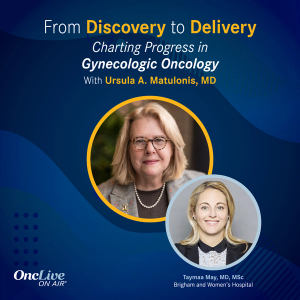
Drs Matulonis and Shea explore the current landscape of cervical cancer, from the urgent need for expanded vaccination and screening to the evolving role of immunotherapy and ADCs across disease settings.
Drs Camidge and Reckamp discuss Dr Reckamp's journey as an oncology specialist and now a caregiver for her husband, who has cancer.
Dr Sands discusses the rapidly evolving treatment landscape for SCLC.
Michael J. Mauro, MD, discusses his approach to TKI use in chronic myeloid leukemia and how new FDA approvals inform his practice.
Drs Razavi and Ross note the evolution of ESR1 mutation–directed breast cancer management, including the role of genomic testing at metastatic recurrence.
Peter Enzinger, MD, answers common questions about the diagnosis and management of esophageal cancer in this clinician-focused FAQ interview.
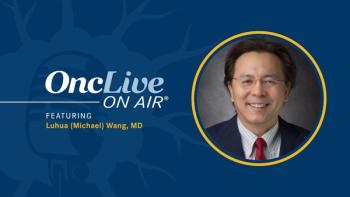
Luhua (Michael) Wang, MD, discusses the implications of the FDA approval of brexu-cel for the treatment of adult patients with relapsed/refractory MCL.
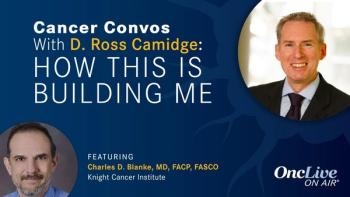
Drs Camidge and Blanke discuss Dr Blanke's career path from pioneering targeted cancer therapies to becoming a leading advocate for medical aid in dying.

Dr Nunnery and Annie Bond discuss breast cancer survivorship and patient advocacy.
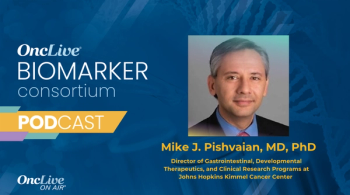
Michael J. Pishvaian, MD, PhD discusses how biomarker-directed strategies, including HER2, CLDN18.2, and KRAS inhibition, are transforming GI cancer care.

Drs Armstrong and Tawagi provide a comprehensive review of metastatic urothelial carcinoma management.
Megan Kruse, MD, discusses the evolving role of FES-PET/CT in breast cancer, particularly invasive lobular carcinoma.
Dr Cooper discusses recent advances that have reshaped the treatment paradigm for small cell lung cancer, particularly in the relapsed setting.

Drs Nunnery and Kang discuss the rapidly evolving treatment paradigm for first-line metastatic TNBC, including the emergence of novel ADCs.
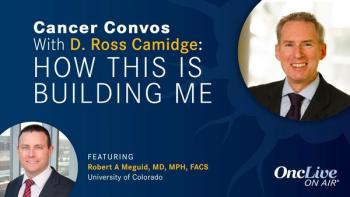
Drs Camidge and Meguid discuss Dr Meguid’s journey into medicine, his surgical interests, and how personal experiences shape perspectives on patient care.
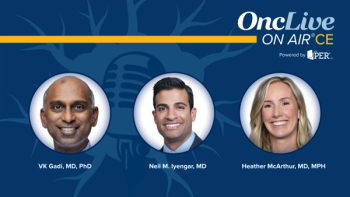
Drs Armstrong and Tawagi review localized bladder cancer diagnosis and management, including initial histology and evolving treatment paradigms.
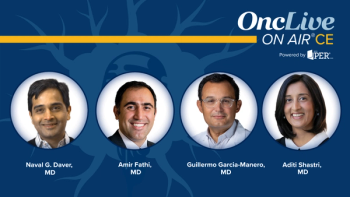
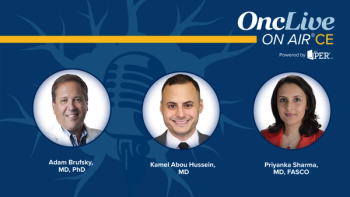
Drs Matulonis and Stover explore the biology and therapeutic relevance of the RAS/MAP kinase pathway in gynecologic cancers.