
Dr Mahvash discusses the FDA approval of SIR-Spheres Y-90 resin microspheres for the treatment of patients with unresectable hepatocellular carcinoma.

Your AI-Trained Oncology Knowledge Connection!
Dr Mahvash discusses the FDA approval of SIR-Spheres Y-90 resin microspheres for the treatment of patients with unresectable hepatocellular carcinoma.
Dr Patel discusses the clinical relevance of the FDA approval of adjuvant cemiplimab for the management of high-risk cutaneous squamous cell carcinoma.
Dr Wang discusses the prevalence of secondary AML, unmet needs for patients with this disease, and how CPX-351 has generated improved outcomes vs 7+3.
In this episode, Two Onc Docs review the current management of metastatic breast cancer, emphasizing treatment strategies across molecular subtypes.
J. Thaddeus Beck, MD, FACP, about the FDA approval of subcutaneous pembrolizumab.
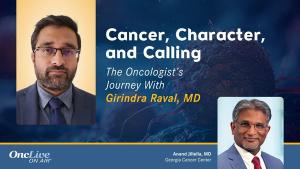
Raval and Jillella discussed Jillella's career journey, starting from his oncology internship in 1989 to establishing a bone marrow transplant program.
Leading experts across oncology specialties preview the key studies and data they are most anticipating ahead of the 2025 ESMO Congress.
Dr Jacob discusses the significance of the FDA approval of the gemcitabine intravesical system for BCG-unresponsive non–muscle-invasive bladder cancer.
Dr Bazhenova discusses the FDA approval of sunvozertinib for patients with EGFR-mutated metastatic non–small cell lung cancer.
Dr Raghav discusses the role of fruquintinib in the treatment of adult patients with pretreated, metastatic colorectal cancer.
Drs Chiang and Liu discuss the significance of the FDA approval of first-line maintenance therapy with lurbinectedin plus atezolizumab for ES-SCLC.
Dr Liu discusses the 2 VISION trial of tepotinib for NSCLC harboring MET exon 14 skipping alterations, as well as the importance of biomarker testing.
Andrew Kuykendall, MD, provides an overview of the myelofibrosis treatment paradigm.

Kohei Shitara, MD, discusses optimizing treatment strategies and addressing unmet needs in resectable gastric and gastroesophageal junction cancers.
Dean discusses the role of BTK inhibitors in the management of CLL and the importance of molecular profiling for treatment rechallenge decisions.
Dr Drilon discusses the efficacy data and implications of the ARROS-1 trial, highlighted the mechanism of action of zidesamtinib in ROS1-positive NSCLC.
Dana M. Chase, MD, discusses the management of recurrent endometrial cancer, emphasizing the importance of biomarker profiles and previous therapies.
Dr Wong discusses the growing challenge of early-onset colorectal cancer and the insights from a recent cohort analysis conducted in Singapore.
Allan and Rubianes discuss factors that influence treatment decision-making for patients with chronic lymphocytic leukemia.
Drs Armstrong and Tawagi discuss key aspects of soft tissue sarcoma management.
Drs Seery, Oberstein, and Pathak discuss data from the NAPOLI 3 trial of NALIRIFOX vs nab-paclitaxel and gemcitabine in treatment-naive pancreatic cancer.
Dr Kopetz discusses the value of ctDNA assays, trials that have shown prognostic implications with this type of assay, and the future of ctDNA research.
Dr Dorff discusses the role of ADT in prostate cancer management, how this class has evolved, and the use of relugolix across treatment settings.
Dr Wen discussed the significance of the FDA approval of dordaviprone for patients at least 1 year of age with H3K27M-mutated diffuse midline glioma.
Masatoshi Kudo, MD, discusses the evolving treatment landscape in HCC and how recent comparative analyses are helping refine the use of first-line immunotherapy-based regimens.
Neal S. Akhave, MD, discusses the addition of toripalimab to the NCCN guidelines for nasopharyngeal carcinoma.