

Novel STAT3 Inhibitor TT1-101 Is Safe and Shows Antitumor Activity in R/R HCC and Other Solid Tumors
The STAT3 inhibitor TT1-101 generated confirmed partial responses among patients with relapsed/refractory HCC and other solid tumors.

Your AI-Trained Oncology Knowledge Connection!

Courtney Flaherty joined OncLive as an assistant editor in October 2022. Leveraging an educational background in the life sciences and prior experience conducting interviews in a university setting, she plays a key role in shaping social media strategy, covering live conferences, and producing multimedia content for both print and digital platforms. Email: cflaherty@onclive.com
The STAT3 inhibitor TT1-101 generated confirmed partial responses among patients with relapsed/refractory HCC and other solid tumors.

Justin Moser, MD, discusses efforts to develop a broader range of immunotherapy approaches for advanced melanoma after PD-1 inhibition.

Shannon Westin, MD, MPH, FACOG, contextualizes data from an exploratory biomarker analysis of the phase 3 DUO-E trial in pMMR recurrent endometrial cancer.

Treatment with eftilagimod alpha plus pembrolizumab produced a median OS of 17.6 months in the first line for patients with PD-L1–negative HNSCC.

ISB 2001 has received fast track designation from the FDA for patients with relapsed or refractory multiple myeloma who received 3 or more prior therapies.

The AI-driven companion diagnostic device Ventana TROP2 (EPR20043) RxDx has received FDA breakthrough device designation in NSCLC.

Helen Moon, MD, discusses the current and potential role of TKIs and immunotherapy regimens as adjuvant therapy in renal cell carcinoma.

BI-1808 has received FDA fast track designation for the treatment of patients with select cutaneous T-cell lymphoma subtypes.

INX-315 has received FDA fast track designation for the treatment of patients with CCNE1-amplified, platinum-resistant or refractory ovarian cancer.

Fruquintinib plus capecitabine demonstrated preliminary efficacy and safety as maintenance therapy in RAS/BRAF wild-type metastatic colorectal cancer.

First-line tiragolumab plus atezolizumab did not improve PFS and OS vs atezolizumab alone in PD-L1–high, unresectable or metastatic NSCLC.

Jason A. Mouabbi, MD, discusses the use of ctDNA to enhance early detection of ESR1 or other resistance mutations in HR-positive breast cancer.
No complete or partial pathologic responses were achieved with neoadjuvant niraparib in patients with DDR-deficient prostate cancer following surgery.

Drs Mahtani, McCann, and Melody all reflect on advice they'd offer to aspiring female oncologists.

Nataliya Uboha, MD, PhD, highlights the importance of standard endoscopic procedures for the early detection of esophageal cancer.

A CE Mark has been granted to Optune Lua concurrent with immune checkpoint inhibitors or docetaxel for patients with metastatic non–small cell lung cancer.

Fawzi F Abu Rous, MD, discusses updates to the ASCO Living Guidelines for the management of stage IV non–small cell lung cancer with driver alterations.
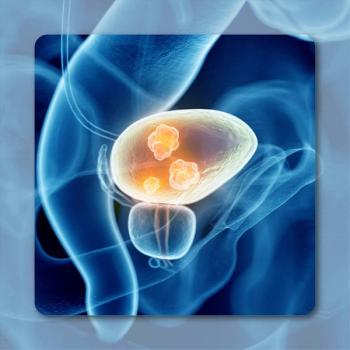
Nadofaragene firadenovec was safe and produced high CR rates at 3 months in Japanese patients with high-risk BCG-unresponsive NMIBC and CIS.

Sara M. Tolaney, MD, MPH, discusses the value of incorporating ctDNA monitoring of ESR1 mutations into routine management for HR-positive breast cancer.

Fawzi F Abu Rous, MD, discusses ongoing efforts to address unmet needs in the management of squamous cell carcinoma of the lung.

Isabel Preeshagul, DO, MBS, discusses the need for a nuanced approach when selecting between targeted therapies in ALK- and EGFR-altered NSCLC.

Fiona Simpkins, MD, discusses the use of cyclin E1 positivity as a biomarker of azenosertib response in platinum-resistant ovarian cancer.
Isabel Preeshagul, DO, MBS, discusses frontline treatment selection for patients with SCLC and significant FDA approvals in this disease.

Kiavasch Mohammad Nejad Farid, MD, discusses the signs of activity and safety with MDC-CAR-BCMA001 in pretreated patients with AL amyloidosis and myeloma.

Zanubrutinib plus venetoclax and obinutuzumab was well tolerated—aside from COVID-19–related toxicities—in patients with relapsed/refractory CLL.

Erika P. Hamilton, MD, discusses the current role of CDK4/6 inhibitors and evolving targeted therapies in advanced HR-positive, HER2-negative breast cancer.

The addition of bexmarilimab to azacitidine elicited an ORR of 63% among patients with relapsed/refractory higher-risk myelodysplastic syndrome.

Linda R. Duska, MD, MPH, contextualizes updated OS and PFS2 findings from the second interim analysis of KEYNOTE-A18 in locally advanced cervical cancer.
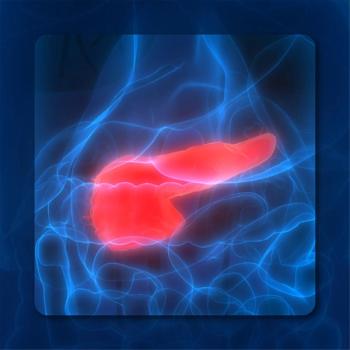
The association between greater hematologic AEs and increased OS necessitates early receipt of G-CSF after NALIRIFOX infusion for patients with PDAC.
The FDA has received an NDA for ziftomenib in relapsed/refractory NMP1-mutant acute myeloid leukemia.