
No serious adverse effects were observed with TRX103 in patients with hematologic malignancies undergoing HLA-mismatched HCT.

Your AI-Trained Oncology Knowledge Connection!
No serious adverse effects were observed with TRX103 in patients with hematologic malignancies undergoing HLA-mismatched HCT.
Results from ReFocus showed a manageable safety profile and positive antitumor activity for lirafugratinib in FGFR2-mutated cholangiocarcinoma.

Neoadjuvant tislelizumab plus chemoradiotherapy yielded improved response rates in gastric cancer and gastroesophageal junction adenocarcinoma.

Richard Gorlick, MD, is a leading physician-scientist whose career and lifelong commitment to improving outcomes for children with cancer has been shaped by his personal journey as a childhood cancer survivor.
Tumor burden and disease status were not correlated with CRS risk or severity in newly diagnosed, relapsed/refractory myeloma managed with elranatamab.
Giredestrant improved invasive disease-free survival vs endocrine therapy in ER-positive, HER2-negative, medium- and high-risk early breast cancer.
The safety profile associated with MK-1045 administration was manageable with dose interruption and standard medical care.
Ziftomenib plus venetoclax and azacitidine was safe and effective in patients with relapsed/refractory AML harboring NPM1 mutations or KMT2A rearrangements.

Telisotuzumab adizutecan displayed early activity in locally advanced/metastatic PDAC.

The addition of atezolizumab to chemotherapy demonstrated noninferior survival vs chemotherapy alone in advanced or recurrent endometrial cancer.

regorafenib/nivolumab may encourage a search for more non-chemotherapy combinations for gastric cancer.

Belantamab mafodotin monotherapy was active and safe in patients with relapsed/refractory multiple myeloma.

Eque-cel was effective for the treatment of patients with relapsed/refractory multiple myeloma.

Adjuvant nivolumab plus chemotherapy led to a clinically meaningful reduction in relapse rates vs chemotherapy in resected NSCLC.

Frontline treatment with mosunetuzumab showed high antitumor activity in patients with marginal zone lymphoma regardless of risk status.

BGB-16673 was safe and effective for the treatment of patients with relapsed/refractory Waldenström Macroglobulinemia.

RET rechallenge following disease progression demonstrated greater efficacy with select combination therapies targeting bypass resistance vs single agents.

CAN-2409 plus prodrug and radiation therapy significantly improved DFS vs radiation therapy alone in intermediate-to-high-risk prostate cancer.
Cabozantinib plus atezolizumab or cabozantinib alone was effective regardless of prior immunotherapy or TKI treatment in second-line advanced RCC.

Talquetamab led to durable responses and promising survival outcomes in patients with relapsed/refractory multiple myeloma.

Glofitamab plus gemcitabine/oxaliplatin demonstrated improved PFS and OS compared with rituximab in patients with relapsed/refractory DLBCL.
The efficacy of relatlimab/nivolumab was consistent across patient subgroups vs ipilimumab/nivolumab in advanced melanoma.

Zanubrutinib in combination with venetoclax was highly active in patients with untreated chronic lymphocytic leukemia or small lymphocytic lymphoma.
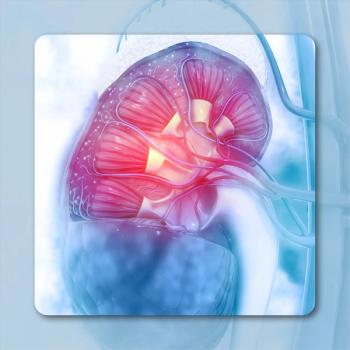
A high proportion of patients with renal tumors were discharged on the same day after receiving robotic partial nephrectomy.

Treatment with abemaciclib plus hormonal therapy showed promise in LGSOC/EEC but not in HGSOC, and larger studies are needed to validate these findings.
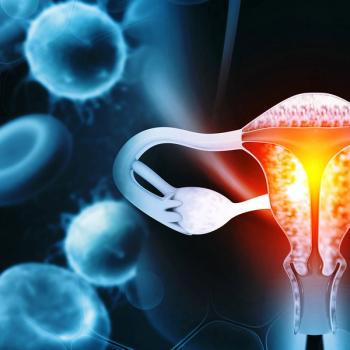
Patients with endometrial cancer had slightly higher CR rates with metformin plus a levonorgestrel-releasing IUD vs historical data with the IUD alone.

Neoadjuvant chemotherapy and concurrent chemoradiation could represent a safe, effective bladder-sparing approach in MIBC.
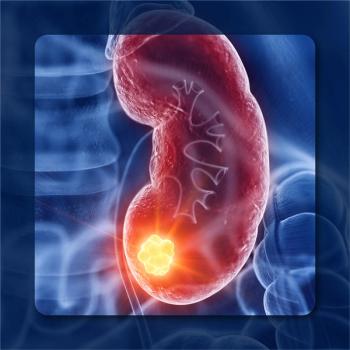
Greater responses were observed in a cohort of patients with renal cell carcinoma receiving lenvatinib plus belzutifan vs pembrolizumab plus lenvatinib.
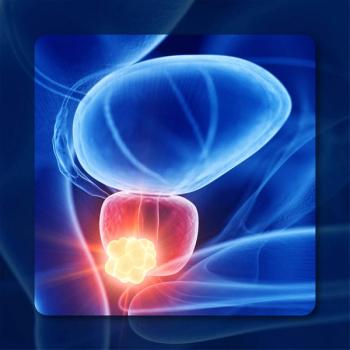
Treatment of EBRT with or without STAD for 6 months demonstrated an improvement in prostate cancer-specific survival in intermediate-risk prostate cancer.

The combination of botensilimab plus balstilimab elicited high major pathologic response rates with extended time to surgery in resectable colorectal cancer.

Published: December 10th 2025 | Updated:

Published: September 5th 2025 | Updated:

Published: June 1st 2025 | Updated:

Published: March 18th 2025 | Updated:
Published: June 2nd 2025 | Updated:
Published: April 29th 2025 | Updated: