




Breast Cancer
Latest News

Advertisement
Latest Videos



CME Content

























Advertisement
More News
A pair of trials that used checkpoint inhibitors as monotherapy reported lackluster overall response rates in breast cancer.
Ruta D. Rao, MD, associate professor, Rush University Medical Center, discusses the results of the SOFT trial, presented at the 2017 San Antonio Breast Cancers Symposium.
Tiffany A. Traina, MD, medical oncologist, Memorial Sloan Kettering Cancer Center, discusses the prevalence of BRCA mutations in triple-negative breast cancer (TNBC).

Sara Hurvitz, MD, and Sunil Verma, MD, share their expert insight on the latest groundbreaking developments in HER2-positive breast cancer.
Jennifer Litton, MD, associate professor in the Department of Breast Medical Oncology at The University of Texas MD Anderson Cancer Center, discusses the role of genetic testing in the treatment of patients with breast cancer.
As a trailblazer who helped breast cancer treatment evolve from radical mastectomy to the judicious use of radiation therapy with limited tumor removal, Samuel Hellman, MD, is considered one of the world's premier radiation oncologists.
Laura M. Freedman, MD, assistant professor, director of Radiation Oncology, Sylvester Comprehensive Cancer Center, discusses the revised National Comprehensive Cancer Network (NCCN) guidelines for post-mastectomy radiation given in women who have pathologic T1 and T2 tumors and 1 to 3 positive lymph nodes.

Jean-Bernard Durand, MD, associate professor in the Department of Cardiology at The University of Texas MD Anderson Cancer Center, discusses protecting patients’ hearts from anthracyclines and HER2-targeted therapies when treating for HER2-positive breast cancer.
Adam M. Brufsky, MD, PhD, professor of medicine, associate chief, Division of Hematology/Oncology, co-director, Comprehensive Breast Cancer Center, associate director, Clinical Investigation, University of Pittsburgh, discusses challenges facing biosimilars for the treatment of patients with breast cancer.

Acquired HER2 mutations cause endocrine resistance in some patients with ER+/HER2-negative breast cancer.
Recent advancements in the field of breast cancer are reshaping the treatment paradigm for subsets of patients with the disease, bringing new therapies and strategies into focus.
Sara A. Hurvitz, MD, director of the Breast Oncology Program at the University of California, Los Angeles, Jonsson Comprehensive Cancer Center, discusses de-escalation in HER2-positive breast cancer.

The rate of resection of primary breast cancer in the setting of distant metastatic disease has fallen dramatically over the past decade, but results from recent studies may alter this trend.

Employing preclinical detection using bioimpedance spectroscopy, breast centers are reporting progression to clinical lymphedema in less than 10% of patients at high risk of developing the condition.

Andrew Seidman, MD, focuses on his view of the increasing role of nurse practitioners in the outpatient setting and hospitalists in the inpatient setting.

Whenever 3 agents joining the therapeutic armamentarium do so for similar indications with essentially identical mechanisms of action, it is reasonable to ask whether these agents have specific differences that might help decide which to use.
Neoadjuvant therapy can eliminate both invasive and in situ carcinoma in up to 50% of patients, particularly when their subtypes are triple-negative disease or HER2-positive cancers.
Elizabeth A. Mittendorf, MD, PhD, associate professor in the Department of Surgical Oncology at The University of Texas MD Anderson Cancer Center, discusses the impact of pertuzumab (Perjeta) on the treatment landscape of HER2-positive breast cancer.
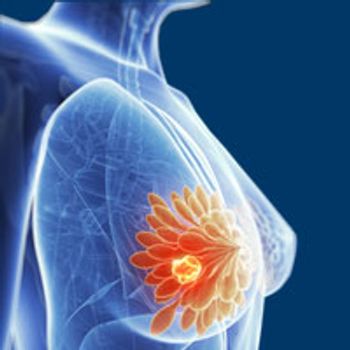
Abemaciclib (Verzenio) has quickly amassed several clinical indications for patients with metastatic breast cancer, and is the only CDK4/6 inhibitor approved as a single agent.
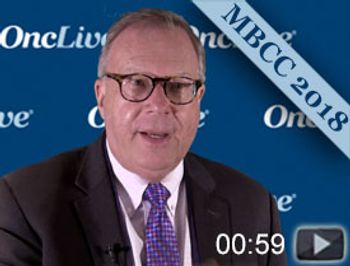
Patrick I. Borgen, MD, chairman of surgery, director of the Breast Cancer Program, Maimonides Medical Center, and chair of the Miami Breast Cancer Conference, discusses the evolution of breast cancer treatment in recent years. Borgen shared his insight in an interview during the meeting.

Endocrine therapy can achieve tumor reduction for patients with ER-positive breast cancer, possibly avoiding the need for chemotherapy or even surgery in some patients; however, deciding how long to continue this therapy can be tricky.
The latest revision of the staging manual for breast cancer from the American Joint Committee on Cancer is a quantum leap toward precision oncology, as it codifies advanced knowledge of the role of biologic factors in cancer, and oncologists should now be using it.

The PARP inhibitors have finally become available for patients with BRCA-mutant metastatic breast cancer, ushering in a potential new era for targeted therapies with studies currently ongoing in the adjuvant setting and exploring combinations.
The discovery of crosstalk between the HER2 and hormone receptor pathways has led to the promising treatment strategy of dual targeting regimens.
Several new agents have emerged in HER2-positive breast cancer with the potential to further alter the natural course of the disease.
Advertisement
Advertisement
Trending on OncLive
1
Single-Center, Retrospective Data Show Low Rate of Lifileucel Infusion Following Referral in Advanced Melanoma
2
Long-Term Cilta-Cel Data Show Low Rates of PFS Events in Standard-Risk R/R Myeloma
3
Real-World Data Support Clinical Benefit With Lifileucel in Previously Treated Advanced Melanoma
4
Dr Riedell on the Long-Term Efficacy of Tisa-Cel in R/R Follicular Lymphoma
5