



Gynecologic Oncology
Latest News
Advertisement
Latest Videos



CME Content































Advertisement
More News

Casey M. Cosgrove, MD, discusses the approval of niraparib in advanced ovarian cancer.

Floor J. Backes, MD, discusses toxicity considerations with PARP inhibitors in ovarian cancer.
Robert L. Coleman, MD, FACOG, FACS, professor and Ann Rife Cox Chair in Gynecology, Department of Gynecologic Oncology and Reproductive Medicine, Division of Surgery, The University of Texas MD Anderson Cancer Center, discusses the implications of the phase III VELIA trial in ovarian cancer.
Kathleen Moore, MD, discusses the benefit of mirvetuximab soravtansine in patients with platinum-resistant ovarian cancer.
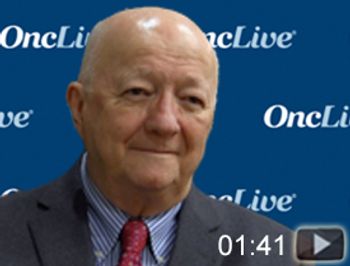
Larry J. Copeland, MD, discusses the role of chemotherapy in ovarian cancer.

Mira Hellmann, MD, discusses the utility of minimally invasive surgery in cervical cancer.

Matthew P. Schlumbrecht, MD, discusses the treatment of women with uterine leiomyosarcoma.

The National Institute for Health and Care Excellence has recommended the use of olaparib as a maintenance treatment in adults with relapsed, platinum-sensitive, high-grade epithelial ovarian, fallopian tube, or primary peritoneal cancer.

Matthew P. Schlumbrecht, MD, discusses remaining challenges in uterine leiomyosarcoma.
PARP inhibitors are poised to acquire a stronger foothold in the frontline setting for advanced ovarian cancer, for which chemotherapy remains the backbone of treatment, according to a panel of gynecologic oncology experts who discussed the issue during an OncLive Peer Exchange® held during the European Society for Medical Oncology Congress 2019.
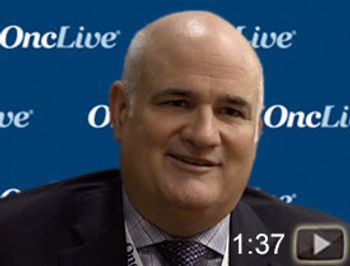
John Hays, MD, PhD, discusses the progression of immunotherapy in treating patients with ovarian cancer.
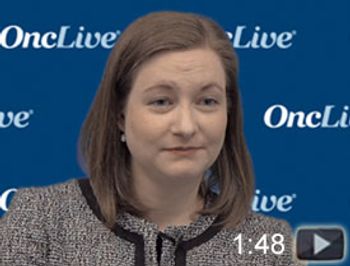
Hanneke Poort, PhD, discusses research regarding fatigue as an adverse event in patients with gynecologic cancer.

The FDA has granted a priority review designation to a supplemental new drug application for the combination of olaparib and bevacizumab for the maintenance treatment of patients with advanced ovarian cancer who are in complete or partial response to first-line platinum-based chemotherapy with bevacizumab.

Matthew P. Schlumbrecht, MD, discusses the role of surgical resection in uterine leiomyosarcoma.

Floor J. Backes, MD, discusses the phase III FILM trial in endometrial cancer.

Matthew P. Schlumbrecht, MD, discusses ongoing challenges in diagnosing uterine leiomyosarcoma.

Mira Hellmann, MD, gynecologic oncologist and assistant professor, John Theurer Cancer Center, Hackensack University Medical Center, discusses the use of sentinel lymph node mapping in patients with endometrial cancer.

Mira Hellmann, MD, gynecologic oncologist and assistant professor, John Theurer Cancer Center, Hackensack University Medical Center, discusses the evolution of surgical techniques in endometrial cancer.

Casey M. Cosgrove, MD, gynecologic oncologist, The Ohio State University Comprehensive Cancer Center–James, and assistant professor, Department of Gynecologic Oncology, The Ohio State University College of Medicine, discusses retreatment with PARP inhibitors in recurrent ovarian cancer.

Sarah Ferguson, MD, FRCSC, discusses the rationale to conduct a population-based cohort study comparing the efficacy of minimally invasive surgery versus open surgery for radical hysterectomy in women with cervical cancer.

China’s National Medical Products Administration has granted marketing authorization for olaparib as a first-line maintenance treatment for adult patients with newly diagnosed advanced germline or somatic BRCA-mutated epithelial ovarian, fallopian tube, or primary peritoneal cancer who are in complete or partial response to frontline platinum-based chemotherapy.
The UK’s National Institute for Health and Care Excellence has approved olaparib for the maintenance treatment of adult patients with relapsed, platinum-sensitive, high-grade epithelial ovarian, fallopian tube, or primary peritoneal cancer whose disease responded to platinum-based chemotherapy and harbor BRCA1/2 mutations.
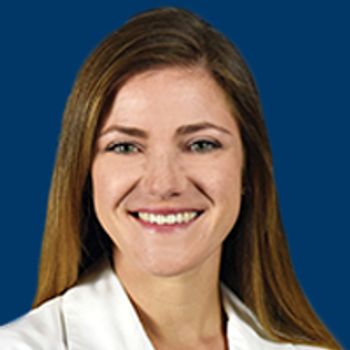
Sarah Crafton, MD, discusses the role of secondary surgical cytoreduction in recurrent ovarian cancer.
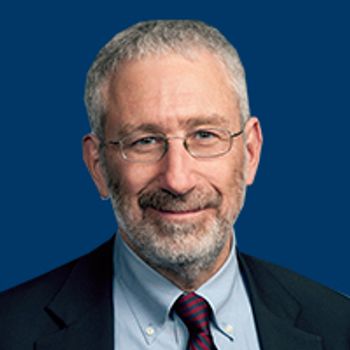
When discussing the topic of vaccination to prevent serious childhood illness, an increasing number of individuals refuse to accept the unequivocally demonstrated value of this public health strategy despite the very low risk of harm.
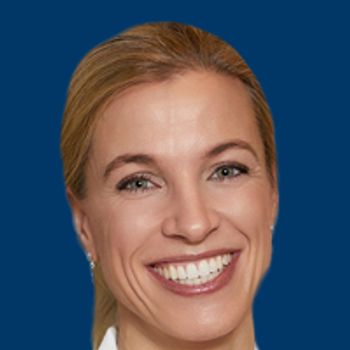
Floor J. Backes, MD, discusses subtle differences among PARP inhibitors that can help determine their optimal use in advanced ovarian cancer.
Advertisement
Advertisement
Trending on OncLive
1
Long-Term Cilta-Cel Data Show Low Rates of PFS Events in Standard-Risk R/R Myeloma
2
Real-World Data Support Clinical Benefit With Lifileucel in Previously Treated Advanced Melanoma
3
FDA Updates Axi-Cel Label to Remove Limitation of Use in R/R PCNSL
4
Dr Riedell on the Long-Term Efficacy of Tisa-Cel in R/R Follicular Lymphoma
5