



Hematologic Oncology
Latest News
Advertisement
Latest Videos

CME Content





























Advertisement
More News

Naval Daver, MD, discusses the next steps for menin inhibitors in acute myeloid leukemia.
Itolizumab showed the potential to decrease the response of host T cells to a donor graft, minimize the incidence of acute graft-vs-host disease following hematopoietic stem cell transplantation, and improve outcomes for these patients.

Preclinical evidence suggests that pairing KO-539 with targeted agents directed against BCL-2, BET, and CDK6 could result in superior efficacy against KMT2A-rearranged and NPM1-mutated acute myeloid leukemia.
The investigational bispecific antibody APVO436 demonstrated tolerability with encouraging anti-neoplastic efficacy in patients with relapsed/refractory acute myeloid leukemia or myelodysplastic syndrome, according to updated findings from an ongoing phase 1 trial.

Elevated amphiregulin was associated with increased mortality risk in acute graft–versus-host-disease, according to a sample of 2 prospective clinical trials showed.
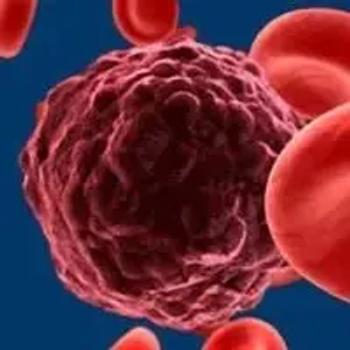
Treatment with the CD123- and CD3-engaging bispecific antibody APVO436 caused cytokine release syndrome in approximately 1 of 5 patients with relapsed/refractory acute myeloid leukemia and myelodysplastic syndrome but was generally well managed with steroids.

The FDA has approved abatacept for the prophylaxis of acute graft-versus-host disease, in combination with certain immunosuppressants.

Patients with relapsed or refractory large B-cell lymphoma experienced better quality of life when they received second-line treatment with lisocabtagene maraleucel vs standard of care.

Richard R. Furman, MD, reviews resistance mechanisms to BTK inhibitors and how they affect treatment selection for patients with CLL.
Nitin Jain, MD, leads the discussion on the use of fixed-dose regimens for the treatment of CLL as seen in the phase 2 CAPTIVATE and phase 3 GLOW trials.

The utilization of oral azacitidine as maintenance treatment in patients with acute myeloid leukemia in first remission following intensive chemotherapy continued to showcase a survival benefit over placebo.

Magrolimab plus combinations of various antileukemia therapies are being investigated for their efficacy in first-line, relapsed/refractory, or maintenance treatment of acute myeloid leukemia.
Sabatolimab, an investigational TIM-3 monoclonal antibody, induced a median duration of response greater than 1 year for patients with very high/high-risk myelodysplastic syndrome and acute myeloid leukemia when used in combination with hypomethylating agents.

Patients with polycythemia vera who have controlled hematocrit levels, but elevated white blood counts are at an increased risk of thrombotic events, according to a presentation of the REVEAL study.

Expert overview of chronic myeloid leukemia, including considerations for the unmet needs in management as they exist today.

Frontline treatment with axicabtagene ciloleucel demonstrated rapid and durable responses in patients with high-risk large B-cell lymphoma.
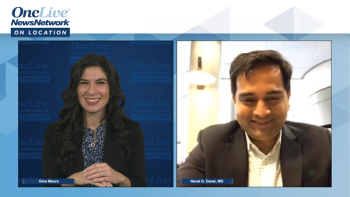
OncLive® speaks with Dr. Srdan Verstovsek on the pivotal data in myeloproliferative neoplasms, and Dr. Naval Daver on some intriguing findings in acute myeloid leukemia.

The combination of duvelisib plus romidepsin was shown to be highly active in patients with relapsed/peripheral T-cell lymphoma, according to final results from the dose expansion stage of a phase 1 trial.

Axicabtagene ciloleucel demonstrated favorable efficacy in elderly patients and those with other comorbidities with large B-cell lymphoma; however, adverse events were more common in some of these populations and ECOG performance status ≥2 was associated with worse outcomes and more adverse events, according to a large real-world study presented at the 2021 ASH Annual Meeting.

Physician-scientists from Rutgers Cancer Institute of New Jersey and Robert Wood Johnson University Hospital, an RWJBarnabas Health facility, will present expansive new hematology/oncology data from their clinical research program at the 2021 ASH Annual Meeting and Exposition.
Dr. Shah and Dr. Wang discuss the management of cytokine release syndrome and neurotoxicity, the referral process, and the need for academic and community collaboration for CAR T-cell therapy in hematologic malignancies.

The first-in-class monoclonal antibody treatment for acute graft-versus-host disease had durable responses and tolerability for patients.

Glofitamab, an investigational CD20xCD3 bispecific antibody, induced high response rates as monotherapy or in combination with obinutuzumab in patients with multiple relapsed or refractory follicular lymphoma.

Treatment with lisocabtagene maraleucel demonstrated durable responses in patients with relapsed/refractory large B-cell lymphomas.
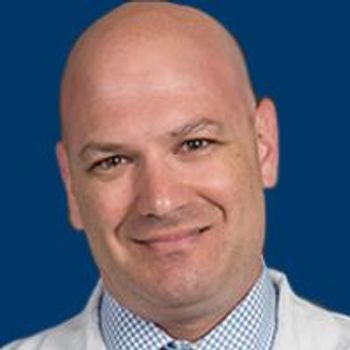
Naratuximab emtansine plus rituximab had promising response rates while also improving patient well-being when used to treat diffuse relapsed/refractory large B-cell lymphoma and other non-Hodgkin B-cell lymphomas.
Advertisement
Advertisement
Trending on OncLive
1
Long-Term Cilta-Cel Data Show Low Rates of PFS Events in Standard-Risk R/R Myeloma
2
Nonresponse to Bridging Therapy and Peak ALC After Cilta-Cel Are Associated With Neurotoxicity, NRM in Myeloma
3
FDA Updates Axi-Cel Label to Remove Limitation of Use in R/R PCNSL
4
FDA Underscores Risks Associated With DPD Deficiency and Capecitabine/5-FU Use in Cancer Care
5