



Multiple Myeloma
Latest News
Advertisement
Latest Videos

CME Content
































Advertisement
More News
Giada Bianchi, MD, discusses diagnostic factors for light chain amyloidosis.
Omar Nadeem, MD, discusses the emergence of quadruplet regimens in multiple myeloma.
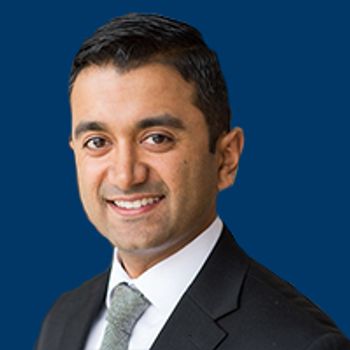
The expanding therapeutic landscape in multiple myeloma is poised to integrate daratumumab-based quadruplet therapies and novel cellular therapies as standard options for patients with newly diagnosed and relapsed/refractory disease.

C. Ola Landgren, MD, PhD, focuses on the cellular- and immunotherapy-based elements from the event and where these modern therapies optimally fit in multiple myeloma.
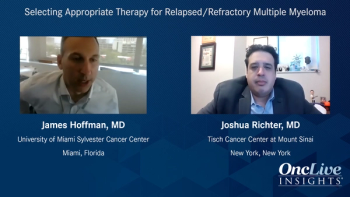
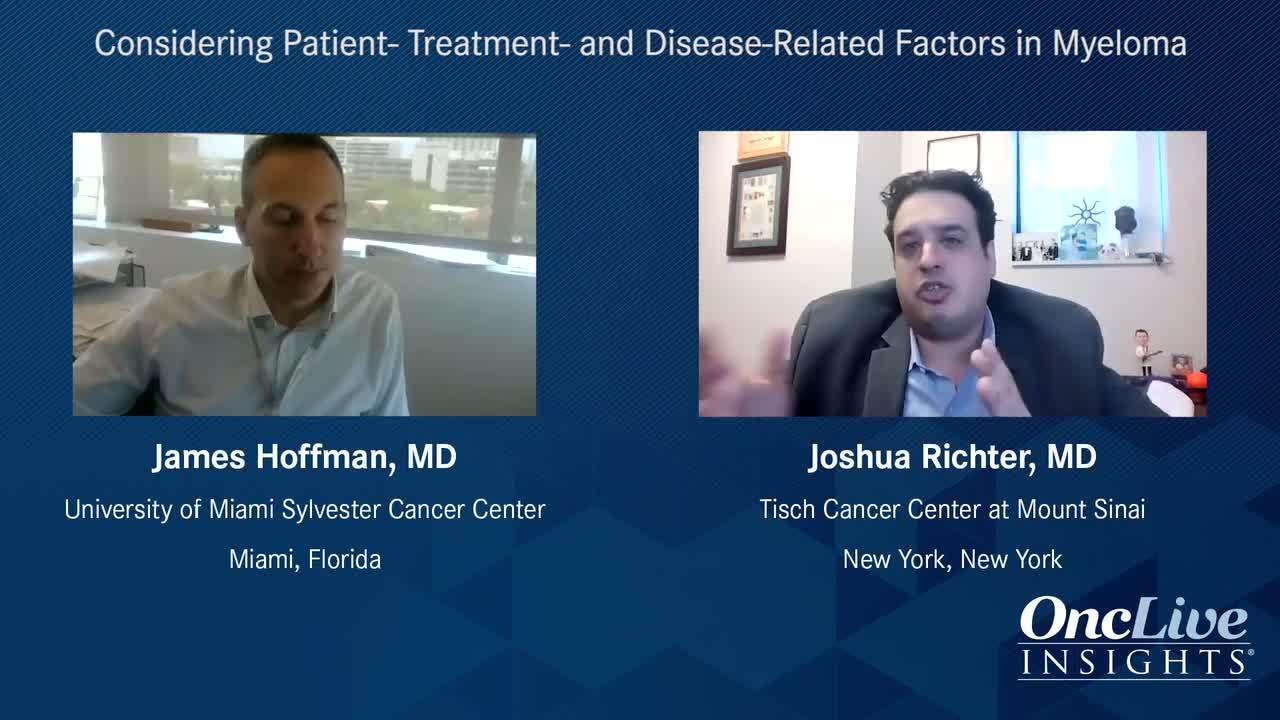
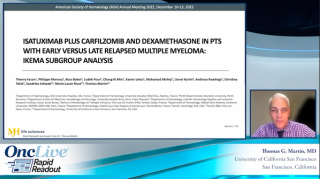
James Hoffman, MD, and Joshua Richter, MD, discuss the IKEMA study, the appropriate selection of therapy, and the differences between various options.
Experts in the field of multiple myeloma discuss the BOSTON trial, the study design, and the benefits of using selinexor in a patient after CAR T-cell therapy.

Daratumumab-based quadruplet regimens and cutting-edge immune-based therapies are positioned to become potential standard options in frontline multiple myeloma treatment.
Adam Sperling, MD, PhD, discusses the rationale to evaluate cellular therapy in multiple myeloma.
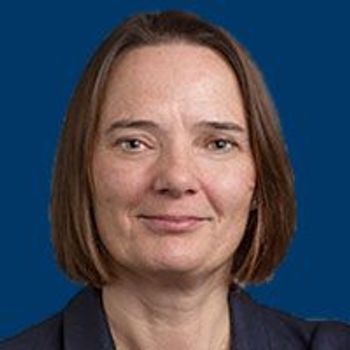
Faith E. Davies, MD, discusses the how to approach patients with high-risk myeloma, as well as how isatuximab and CAR T-cell therapies fit best for that patient population.
C. Ola Landgren, MD, PhD, discusses key safety considerations with a novel carfilzomib quadruplet regimen in patients with newly diagnosed multiple myeloma, the clinical implications of the phase 2 MANHATTAN trial, and next steps for this research.
Quadruplet regimens, such as those with daratumumab, are on the rise in the frontline treatment of patients with multiple myeloma, and the FDA approval of the first BCMA-targeted CAR T-cell therapy idecabtagene vicleucel represents the monumental advance made in the relapsed/refractory setting.

C. Ola Landgren, MD, PhD, discusses important research efforts that led to the launch of the phase 2 MANHATTAN trial, the results achieved with the weekly carfilzomib quadruplet regimen in patients with newly diagnosed multiple myeloma, and the potential for this approach irrespective of transplant eligibility status.
Faith Davies, MD, discusses future research directions with isatuximab in the treatment of patients with multiple myeloma.
For patients with newly diagnosed or relapsed multiple myeloma, regardless of transplant status, daratumumab plus cyclophosphamide, bortezomib, and dexamethasone induction followed by daratumumab maintenance therapy achieved durable and deep responses.

Ciltacabtagene autoleucel continued to yield early, deep, and durable responses after longer follow-up in patients with relapsed/refractory multiple myeloma.

Neurologic adverse effect associated with CAR T-cell therapies like ciltacabtagene autoleucel can be managed without long-term lasting effects, as long as they are caught and treated promptly in patients with relapsed/refractory multiple myeloma.

The addition of daratumumab to lenalidomide and dexamethasone continued to reduced the risk of death by 32% compared with Rd alone in patients with newly diagnosed multiple myeloma who are transplant ineligible after almost 5 years of follow-up.
Daratumumab maintenance therapy yielded an increase in response following autologous stem cell transplant plus induction and consolidation therapy with bortezomib, thalidomide, and dexamethasone in patients with newly diagnosed multiple myeloma.

Intensified induction therapy with daratumumab in addition to cyclophosphamide, bortezomib, lenalidomide, and dexamethasone and bortezomib-augmented autologous stem cell transplant yielded robust responses in patients with ultra¬ high–risk multiple myeloma or primary plasma cell leukemia
Patients with relapsed/refractory multiple myeloma who were treated with ciltacabtagene autoleucel experienced improved outcomes over those who received a conventional therapy
Drs Hoffman and Richter discuss a promising new treatment for patients with relapsed/refractory multiple myeloma who are not eligible for a clinical trial after 4 lines of therapy.
Experts in treating multiple myeloma discuss the trials that led to the approval of selinexor with bortezomib and dexamethasone, and which patient population would benefit from treatment, as well as the dosing, safety, and efficacy.

Ciltacabtagene autoleucel demonstrated efficacious responses and significant improvements in survival over standard of care in triple class–relapsed/refractory multiple myeloma.
The incidence of grade ≥2 cytokine release syndrome was lower in patients with relapsed or refractory multiple myeloma who received anakinra prophylaxis with orvacabtagene autoleucel, a B-cell maturation antigen-targeted CAR T-cell therapy.
OncLive sits down with Sandy Wong, MD; Neal Shore, MD; and Loretta Nastoupil, MD, to share the the insight on data in multiple myeloma, prostate cancer, and non-Hodgkin lymphoma at the 2021 ASCO Annual Meeting.
Advertisement
Advertisement
Trending on OncLive
1
Single-Center, Retrospective Data Show Low Rate of Lifileucel Infusion Following Referral in Advanced Melanoma
2
Real-World Data Support Clinical Benefit With Lifileucel in Previously Treated Advanced Melanoma
3
Outcomes With Bridging Therapy Correlate With Cilta-Cel Efficacy, Safety in Multiple Myeloma
4
Long-Term Cilta-Cel Data Show Low Rates of PFS Events in Standard-Risk R/R Myeloma
5