






Multiple Myeloma
Latest News
Advertisement
Latest Videos



CME Content

































Advertisement
More News

Dr. Munshi discusses the significance of the FDA approval of ide-cel in relapsed/refractory multiple myeloma, data from the KarMMa trial, which served as the basis for the approval, and next steps for CAR T-cell therapy in the field.

The autologous CAR T-cell product CART-ddBCMA was found to elicit a 100% objective response rate in patients with relapsed/refractory multiple myeloma, with deep and durable responses noted in those with poor prognostic factors.
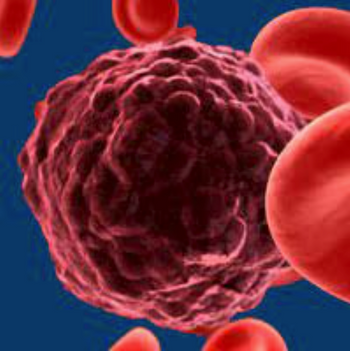
Allogeneic hematopoietic cell transplantation was safe when used with a reduced-intensity conditioning regimen of bortezomib, fludarabine, and melphalan in patients with high-risk multiple myeloma.

Deep and early responses were yielded with a single infusion of ciltacabtagene autoleucel in patients with previously treated, relapsed/refractory multiple myeloma.

The CAR T-cell therapy idecabtagene vicleucel continues to demonstrate improved survival among heavily pretreated patients with relapsed/refractory multiple myeloma.
Key opinion leaders discuss newly approved agents and their impact on treatment decisions for relapsed/refractory multiple myeloma.
Myeloma experts, Drs James Hoffman and Joshua Richter, discuss the factors that increase a patient’s risk of relapse after frontline treatment for multiple myeloma.

Monalisa Ghosh, MD, discusses the role of off-the-shelf CAR T-cell therapy in patients with multiple myeloma.
Faith Davies, MD, discusses key considerations for developing a treatment strategy for patients with early-relapse multiple myeloma.
The United Kingdom’s Medicines & Healthcare Products Regulatory Agency has granted conditional marketing authorization to the combination of selinexor and dexamethasone as a treatment for select patients with relapsed/refractory multiple myeloma.

A personalized adjuvant neoantigen peptide vaccine, PGV-001, was successfully synthesized and administered to patients across a wide range of malignancies who had a greater than 30% chance of disease recurrence.

The FDA has granted a breakthrough therapy designation to teclistamab for the treatment of patients with relapsed/refractory multiple myeloma.

Monalisa Ghosh, MD, discusses the role of idecabtagene vicleucel in relapsed/refractory multiple myeloma landscape.
Dr. Landgren discusses the potential of a quadruplet regimen comprised of carfilzomib, lenalidomide, dexamethasone, and daratumumab in the treatment of patients with newly diagnosed multiple myeloma.
Gareth J. Morgan, MD, PhD, discusses optimizing treatments for patients with ultra high–risk multiple myeloma.
Melphalan flufenamide has been shown to be noninferior to pomalidomide in the treatment of patients with relapsed/refractory multiple myeloma.
Novel therapies in clinical development to improve outcomes for patients with triple-class refractory multiple myeloma.

Current unmet needs surrounding the management of patients with triple-class refractory multiple myeloma with newer novel therapies.
Guidance regarding proper treatment selection and sequencing of therapies for triple-class refractory multiple myeloma.

Monalisa Ghosh, MD, discusses the impact of idecabtagene vicleucel in patients with relapsed/refractory multiple myeloma.

Benjamin Diamond, MD, discusses the need to integrate minimal residual disease testing into clinical trials in multiple myeloma.

Dickran G. Kazandjian, MD, discusses the potential utility of bispecific T-cell engagers in relapsed/refractory multiple myeloma.
Matthew James Pianko, MD, discusses the role of daratumumab in the frontline treatment of multiple myeloma.

Silver linings of the COVID-19 pandemic have opened the door for new opportunities for decentralized clinical trials and real-world data in a post–COVID-19 world.

An overview of the DREAMM-2 study of belantamab mafodotin for triple-class refractory patients with multiple myeloma, with special considerations for managing treatment-related corneal events.
Advertisement
Advertisement
Trending on OncLive
1
Single-Center, Retrospective Data Show Low Rate of Lifileucel Infusion Following Referral in Advanced Melanoma
2
Real-World Data Support Clinical Benefit With Lifileucel in Previously Treated Advanced Melanoma
3
Outcomes With Bridging Therapy Correlate With Cilta-Cel Efficacy, Safety in Multiple Myeloma
4
Long-Term Cilta-Cel Data Show Low Rates of PFS Events in Standard-Risk R/R Myeloma
5