

Non-Hodgkin Lymphoma
Latest News
Advertisement
Latest Videos
CME Content































Advertisement
More News

Results from the phase III iNNOVATE trial established the combination of ibrutinib plus rituximab as the new standard of care in Waldenström macroglobulinemia.
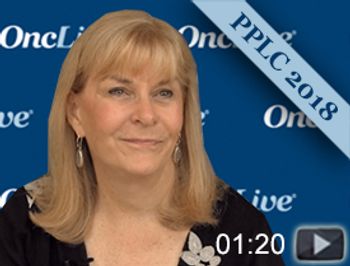
Julie M. Vose, MD, MBA, professor, internal medicine, chief, Division of Oncology & Hematology, University of Nebraska Medical Center, discusses the importance of genomic analysis in patients with non-Hodgkin lymphoma.

Combinations of novel drugs in lymphomas have the potential to overcome resistance to therapy but come with sometimes unexpected adverse events that demand careful monitoring.
Chimeric antigen receptor T-cell therapies have quickly moved from early phase clinical trials to FDA approval for diffuse large B-cell lymphoma, with research now exploring ways to shift these agents earlier in the treatment paradigm.

Combining ibrutinib with standard R-CHOP did not improve event-free survival versus R-CHOP alone in the first-line setting for patients with diffuse large B-cell lymphoma.
Ian Flinn, MD, director of the Blood Cancer Research Program, Sarah Cannon Research Institute, discusses chimeric antigen receptor (CAR) T-cell therapy in non-Hodgkin lymphoma (NHL).
Progression-free survival appears to be a surrogate endpoint for overall survival in patients undergoing first-line treatment for diffuse large B-cell lymphoma, according to results from a large pooled analysis.
Jeremy S. Abramson, MD, clinical director, Center for Lymphoma, Massachusetts General Hospital, discusses lisocabtagene maraleucel (JCAR017; liso-cel) as a treatment for patients with non-Hodgkin lymphoma.
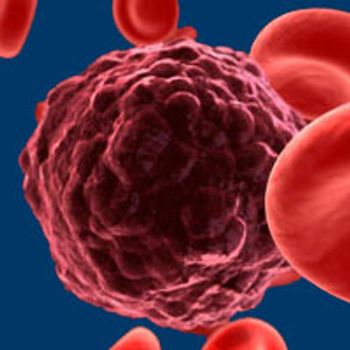
Combining pixantrone (Pixuvri) with rituximab (Rituxan) failed to improve progression-free survival compared with gemcitabine plus rituximab in patients with aggressive B-cell non-Hodgkin lymphoma.

The European Medicines Agency’s CHMP has recommended approval of axicabtagene ciloleucel (axi-cel; Yescarta) as a treatment for adult patients with relapsed/refractory diffuse large B-cell lymphoma or primary mediastinal large B-cell lymphoma.

The European Medicines Agency’s Committee for Medicinal Products for Human Use has recommended approval of tisagenlecleucel for the treatment of either adult patients with diffuse large B-cell lymphoma that is relapsed or refractory after 2 or more lines of systemic therapy, or patients up to 25 years of age with B-cell acute lymphoblastic leukemia that is refractory, in relapse posttransplant, or in second or later relapse.

The FDA has granted a priority review to a supplemental new drug application for ibrutinib for use in combination with rituximab as a treatment option across all lines of therapy for patients with Waldenström macroglobulinemia.

Toby Eyre, MBChB, MRCP, discusses the results of the phase I study with venetoclax in patients with poor-risk relapsed/refractory mantle cell lymphoma.
Antibody-drug conjugates represent a targeted class of agents with an improved therapeutic index over traditional chemotherapy in the treatment of non-Hodgkin lymphoma.
At a median follow-up of 14.1 months, the chimeric antigen receptor T-cell therapy tisagenlecleucel achieved an objective response rate of 52% in adult patients with relapsed/refractory diffuse large B-cell lymphoma.

The addition of polatuzumab vedotin to bendamustine and rituximab induced a higher rate of complete responses by PET scan compared with BR alone in patients with relapsed/refractory diffuse large B-cell lymphoma.

The combination of obinutuzumab and chlorambucil reduced the risk of death by 24% versus rituximab plus chlorambucil in treatment-naïve patients with chronic lymphocytic leukemia with comorbidities.

Ian Flinn, MD, PhD, discusses the activity and tolerability of 5F9 with rituximab in relapsed/refractory non-Hodgkin lymphoma, as well as intriguing findings with ibrutinib/venetoclax in frontline chronic lymphocytic leukemia.

The CD19-directed chimeric antigen receptor T-cell therapy lisocabtagene maraleucel (JCAR017; liso-cel) is showing promising response rates in patients with high-risk diffuse large B-cell lymphoma.

CMS has proposed a different way to handle payment for chimeric antigen receptor T-cell therapy, one that the medical and manufacturing community thinks is unworkable.
Ian Flinn, MD, director of the Blood Cancer Research Program, Sarah Cannon Research Institute, discusses Hu5F9-G4 (5F9) plus rituximab (Rituxan) in patients with non-Hodgkin lymphoma.
Jeremy Slade Abramson, MD, clinical director, Center for Lymphoma, Massachusetts General Hospital, discusses the updated results of the TRANSCEND study in patients with relapsed/refractory b-cell lymphomas.
Advertisement
Advertisement
Trending on OncLive
1
Long-Term Cilta-Cel Data Show Low Rates of PFS Events in Standard-Risk R/R Myeloma
2
Real-World Data Support Clinical Benefit With Lifileucel in Previously Treated Advanced Melanoma
3
FDA Updates Axi-Cel Label to Remove Limitation of Use in R/R PCNSL
4
Dr Riedell on the Long-Term Efficacy of Tisa-Cel in R/R Follicular Lymphoma
5