



Prostate Cancer
Latest News
Advertisement
Latest Videos








CME Content































Advertisement
More News
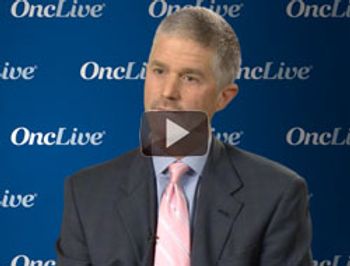
Mark Delworth, MD, a urologist and the medical director of the Minimally Invasive and Robotic Surgery Program at TriHealth Hospital, talks about the outcomes of robotic surgery for the treatment of prostate cancer.

Biopsy-based cell cycle progression gene expression testing can aid in the stratification of patients with localized prostate cancer based on disease aggressiveness.


Samir Taneja, MD, professor of Urology and Radiology and director of the Division of Urologic Oncology at NYU Langone Medical Center.

Jonathan Tward, MD, PhD, Associate Professor of Radiation Oncology at the Huntsman Cancer Institute, discusses abbreviated course androgen-deprivation therapy (ADT) for prostate cancer treatment.

For older men with prostate cancer, adding radiation to hormone therapy is both tolerable and effective in reducing the number of deaths.

Increased utilization of the autologous cellular immunotherapy sipuleucel-T (Provenge) led to a $20.1 million improvement in total revenue in 2014 for the manufacturer Dendreon, when compared with 2013.

For some insight on this discussion, OncLive sat down with prostate cancer expert and president-elect of SUO, Leonard G. Gomella, MD.
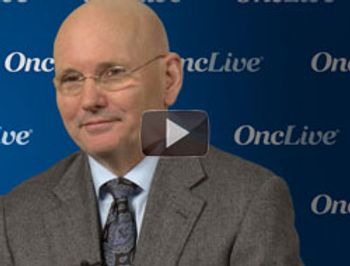
Paul Sieber, MD, principal investigator for clinical trials with Lancaster Urology, talks about the CHAARTED trial, which examines chemohormonal therapy versus androgen ablation for extensive disease in prostate cancer.

After months of delay, the Medicare Administrative Contractor (MAC), with jurisdiction over most molecular diagnostic tests used to treat cancer, made a series of decisions this fall that will allow Medicare reimbursement for several well-known tests, including 3 used in the treatment of prostate cancer.

A biomarker has been found that may help determine which Gleason 7 (GS7) cancers are particularly aggressive.

It's not uncommon for a business to use a superlative in its name, but Premier Medical Group in Poughkeepsie, NY, truly lives up to its moniker.

One-third of men over 70 years of age who undergo radical prostatectomy for prostate cancer and then experience biochemical recurrence have no need for salvage treatment, according to a recent study.

Leonard Gomella, MD, urology specialist from Jefferson University, talks about the challenge of treating prostate cancer patients with a Gleason score of less than six.

Drugs that inhibit the DNA repair enzyme poly(ADP-ribose) polymerase (PARP) have been shown to be effective in treating ovarian, breast, and prostate cancers in patients with inherited BRCA mutations. In broadening the therapeutic scope of PARP inhibitors beyond germline BRCA-mutated cancers.

Fats in blood and on the body increase men's prostate cancer risk, two studies have found.

The use of multiparametric MRI in diagnosing and treating prostate cancer was explored in November during a continuing medical education course offered at the annual meeting of LUGPA

Advertisement
Advertisement
Trending on OncLive
1
Single-Center, Retrospective Data Show Low Rate of Lifileucel Infusion Following Referral in Advanced Melanoma
2
Long-Term Cilta-Cel Data Show Low Rates of PFS Events in Standard-Risk R/R Myeloma
3
Real-World Data Support Clinical Benefit With Lifileucel in Previously Treated Advanced Melanoma
4
Dr Riedell on the Long-Term Efficacy of Tisa-Cel in R/R Follicular Lymphoma
5