

Hussein A. Tawbi, MD, PhD, discusses the efficacy of relatlimab plus nivolumab in patients with advanced melanoma.

Your AI-Trained Oncology Knowledge Connection!
Hussein A. Tawbi, MD, PhD, discusses the efficacy of relatlimab plus nivolumab in patients with advanced melanoma.
Investigators validated the safety and efficacy of anti-C-type lectin-like molecule-1-based CAR T cells in a small clinical trial of pediatric patients with relapsed/refractory acute myeloid leukemia.

Three-year follow-up data from the phase 2 L-MIND study demonstrated that tafasitamab-cxix in combination with lenalidomide induces sustainable response in relapsed/refractory diffuse large B-cell lymphoma.

Selumetinib did not elicit clinical activity in pediatric and young adult patients with refractory cancers who had actionable mutations in the RAS/RAF/MAPK1/2-ERK pathway.
Data from the phase 2 NIFTY trial demonstrated that liposomal irinotecan in combination with 5-fluorouracil/leucovorin significantly improved progression-free survival and overall survival for patients with metastatic biliary tract cancer whose disease had progressed following first-line line gemcitabine/cisplatin.

Ribociclib plus fulvestrant continued to significantly improve overall survival over fulvestrant alone in postmenopausal patients with hormone receptor–positive, HER2-negative advanced breast cancer at almost 5 years of follow-up, irrespective of whether patients received the regimen in the first- or second-line setting.

Camrelizumab in combination with chemotherapy demonstrated improved overall survival and progression-free survival and a manageable safety profile as frontline therapy compared with placebo plus chemotherapy in patients with advanced or metastatic esophageal squamous cell carcinoma.

The combination of venetoclax and fulvestrant failed to improve overall outcomes vs fulvestrant alone in patients with locally advanced or metastatic estrogen receptor–positive, HER2-negative breast cancer who had previously received a CDK4/6 inhibitor.
At a median follow-up of 73.3 months, investigators in the PALOMA-3 trial have concluded that palbociclib plus fulvestrant maintains a clinically meaningful improvement in overall survival compared with placebo plus fulvestrant for patients with HR-positive, HER2-negative advanced breast cancer.

Dennis J. Slamon, MD, PhD, discusses the long-term benefit of ribociclib plus fulvestrant in patients with hormone receptor-positive, HER2-negative advanced breast cancer.

In a final overall survival analysis of the J-ALEX study, patients with non-small cell lung cancer receiving alectinib failed to achieve better results than patients receiving crizotinib.
Tucatinib plus trastuzumab and capecitabine maintained and even improved overall survival over placebo in pretreated patients with HER2-positive breast cancer.

Treatment with selpercatinib demonstrated consistent efficacy in patients with RET fusion-positive non-small cell lung cancer, regardless of prior treatments.

TG-1701 demonstrated encouraging clinical and pharmacodynamic activity at all dose levels in patients with B-cell malignancies.

The highly selective, central nervous system-active TRK inhibitor larotrectinib yielded promising response rates in patients with TRK fusion cancer, including in those with CNS metastases at baseline.

Pralsetinib demonstrated robust and durable anti-tumor activity, as well as a tolerable safety profile, in heavily pretreated patients with multiple RET fusion–positive advanced solid tumors.
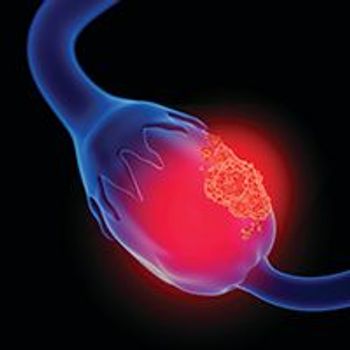
Niraparib, when delivered at an individualized starting dose, was found to be well tolerated in patients with platinum-sensitive recurrent ovarian cancer.
Two cases of cytokine release syndrome occurred during the first cycle of step-up dosing; however, both were considered non-severe and were treated without the need of tocilizumab, admission to the ICU or use of vasopressors.

Single-agent ibrutinib given in the first-line setting sustained a progression-free survival and overall survival benefit compared with chlorambucil as therapy for patients with chronic lymphocytic leukemia at 7-year follow-up.

Zenocutuzumab represents a promising novel targeted therapeutic option for patients with NRG1 fusion–positive cancers.
Treatment with aumolertinib was associated with prolonged survival and duration of response in patients with non–small cell lung cancer.

Patients with relapsed/refractory diffuse large B-cell lymphoma treated with a novel combination of polatuzumab vetodin, rituximab and lenalidomide contributed to an improved overall response and complete response, with 82% remaining in remission at the study’s cutoff date.

Sylvie Bonvalot, MD, PhD, HDR, discusses the long-term safety of NBTXR3 plus radiotherapy in patients with locally advanced soft tissue sarcoma who were treated in the phase 2/3 Act.In.Sarc trial.
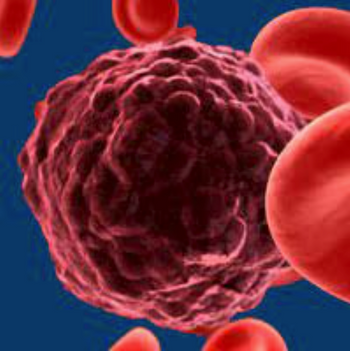
Allogeneic hematopoietic cell transplantation was safe when used with a reduced-intensity conditioning regimen of bortezomib, fludarabine, and melphalan in patients with high-risk multiple myeloma.

Sotorasib provided continued durable clinical benefit in patients with pretreated KRAS p.G12C–mutated non–small cell lung cancer.

A single infusion of brexucabtagene autoleucel, a CAR T-cell therapy, demonstrated robust and durable responses in heavily pretreated patients with relapsed/refractory B-cell acute lymphoblastic leukemia.

Amivantamab in combination with lazertinib elicited responses in more than one-third of chemotherapy-naïve patients with EGFR-mutant non–small cell lung cancer who had progressed on osimertinib.

The addition of lifileucel to pembrolizumab resulted in an overall response rate of 85.7% compared with pembrolizumab alone in patients with immune checkpoint inhibitor–naïve advanced melanoma.

Encouraging initial durability has been observed with afamitresgene autoleucel in patients with advanced synovial sarcoma or myxoid/round cell liposarcoma, according to data from the phase 2 SPEARHEAD-1 trial.

Patritumab deruxtecan was found to induce clinically meaningful, durable efficacy in heavily pretreated patients with EGFR-mutated non–small cell lung cancer who were resistant to EGFR TKIs.