
A high proportion of patients with metastatic solid tumors experienced stable disease following treatment with the immunocytokine in the DODEKA trial.

Your AI-Trained Oncology Knowledge Connection!
A high proportion of patients with metastatic solid tumors experienced stable disease following treatment with the immunocytokine in the DODEKA trial.
Neal Shore, MD, FACS, discusses findings from clinical trials in patients with prostate cancer who experience biochemical recurrence.
Maha Hussain, MD, FACP, FASCO, discusses clinical trials evaluating therapeutics for patients with metastatic castrate-resistant prostate cancer.
Heather McArthur, MD, MPH, discusses the prognostic benefits of circulating tumor DNA and limitations that prevent these results from being predictive.
Debu Tripathy, MD, discusses current considerations for the management of early-stage HER2-positive breast cancer.
Bernard H. Bochner, MD, FACS, discusses considerations for community oncologists when treating patients with muscle-invasive bladder cancer.

Wenxin (Vincent) Xu, MD, discusses the factors he takes into account when sequencing treatment options for patients with metastatic renal cell carcinoma.
Hope Rugo, MD, discusses the evolution of antibody-drug conjugates in hormone receptor–positive, HER2-positive, and HER2-low breast cancer.

Peter A. Humphrey, MD, PhD, presents on the standing of artificial intelligence in prostate cancer pathology.
Erica Stringer-Reasor, MD, highlights the evolution of therapies for patients with hormone receptor–positive, HER2-negative metastatic breast cancer.
Laura A. Huppert, MD, discusses data informing the sequence of immunotherapy and chemotherapy regimens in early-stage triple-negative breast cancer.
The inter-tumoral complexity of metastatic castration-resistant prostate cancer poses a treatment challenge that may be tackled by examining clonal evolution.
Scott T. Tagawa, MD, MS, FACP, FASCO, discusses the standing of PARP inhibitors in the treatment paradigm of metastatic castration-resistant prostate cancer.
Robert Dreicer, MD, discusses the shortcomings of current clinical trials in prostate cancer and what he sees as the biggest area of improvement.
Terry P. Mamounas, MD, MPH, FACS, discusses treatment options after neoadjuvant chemotherapy and how neoadjuvant chemotherapy influences axillary surgery.
PRMT5 inhibitors with antiestrogens represents a therapeutic strategy that may overcome resistance to CDK4/6 inhibitors in ER+/RB-deficient breast cancer.

Hope S. Rugo, MD, FASCO, shares progress made with ADCs and the interest in moving these agents up in the HR-positive/HER2-negative breast cancer paradigm.

Racial and ethnic disparities for mortality are present in breast cancer, especially as it relates to radiation therapy toxicity and cardiac dose.
Jennifer K. Litton, MD, discusses challenges determining the optimal sequencing of PARP inhibitors in early-stage triple-negative breast cancer.
Kevin Kalinsky, MD, MS, discusses questions regarding the utility and implementation of genomic testing approaches in hormone receptor–positive breast cancer.
Terry P. Mamounas, MD, discusses key advancements in the use of locoregional therapy for patients with breast cancer.
Michael D. Alvarado, MD, discusses the decision to undergo breast conservation surgery vs mastectomy following neoadjuvant breast cancer therapy.
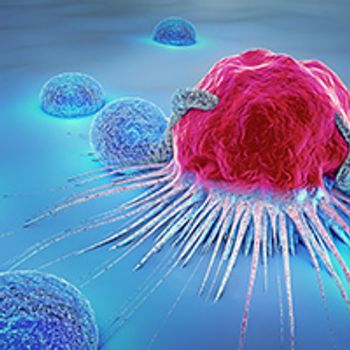
ABSK061 was well tolerated and elicited responses in patients with advanced solid tumors harboring FGFR2/3 alterations.
Ajai Chari, MD, discusses the 2024 OncLive® Bridging the Gaps in Hematologic Malignancies meeting, highlighting the treatment of multiple myeloma.

Adding lenvatinib to pembrolizumab improved ORR and PFS, but not OS, vs placebo for patients with head and neck squamous cell carcinoma.
Tycel Phillips, MD, discusses the landscape of treatment for patients with mantle cell.
An indirect comparison study in relapsed/refractory chronic lymphocytic leukemia demonstrated survival benefits with zanubrutinib vs acalabrutinib.

Alexey Danilov, MD, PhD, discusses unmet needs in hematologic malignancies to be discussed at the Bridging the Gaps in Hematologic Malignancies meeting.

Hayder Saeed, MD, discusses key takeaways regarding the use of polatuzumab vedotin plus R-CHP in diffuse large B-cell lymphoma.
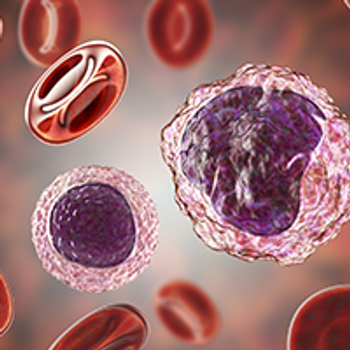
Real-world ruxolitinib use in chronic GVHD was primarily in the second- or third-line, lasted for a median of 8 months, and involved dose adjustments.