Investigators are harnessing comprehensive molecular profiling to detect new targets, optimize existing treatment regimens, and develop novel therapies for patients with EGFR and MET exon 20–insertion positive non–small cell lung cancer.

Your AI-Trained Oncology Knowledge Connection!


Investigators are harnessing comprehensive molecular profiling to detect new targets, optimize existing treatment regimens, and develop novel therapies for patients with EGFR and MET exon 20–insertion positive non–small cell lung cancer.

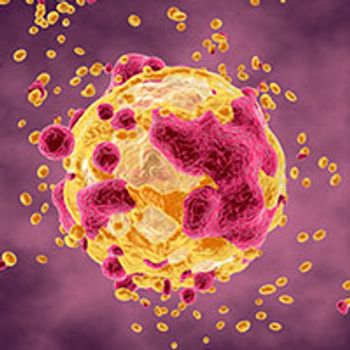
CYNK-101 demonstrated synergistic activity when used in combination with avelumab through antibody-dependent cellular cytotoxicity against PD-L1–positive non–small cell lung cancer, triple-negative breast cancer, and bladder cancer cell lines, according to preclinical data.

Alan L. Ho, MD, PhD, discusses targeted therapies such as TKIs that have demonstrated promising efficacy in multiple patient populations as well as the agents lenvatinib and pembrolizumab.

All patients with prostate cancer, except for those with low-risk or very low-risk localized disease, should be tested for germline mutations, and somatic testing should be done in all patients with metastatic disease as there are therapeutic implications.

For patients with metastatic castration-resistant prostate cancer who experience disease progression on novel hormonal agents (NHAs) and androgen deprivation therapy, it is important to consider when the NHA was received and whether docetaxel has been administered, as these factors affect downstream options and sequencing.

Benjamin Philip Levy, MD, discusses potential future uses for atezolizumab in non–small cell lung cancer.

As the role of genetic testing in clinical practice becomes more prevalent for patients with prostate cancer to identify mutations, physicians must consider a variety of factors to determine which patients are candidates for somatic and/or germline testing.

Because androgen deprivation therapy alone or with docetaxel is not recommended for most patients with metastatic castration-sensitive prostate cancer, a decision must be made between leveraging couplets vs triplets.

CTX130, an investigational allogeneic, CRISP/Cas9 gene-edited, anti-CD70 CAR T-cell therapy, was found to be safe with early signs of clinical activity in patients with advanced clear cell renal cell carcinoma, according to findings from the phase 1 COBALT-RCC trial.

David Albala, MD, discusses the key advantages of utilizing PSMA-PET screening in clinical practice for patients with prostate cancer.

Emmanuel Antonarakis, MD, discusses the different therapeutic agents that are available for patients with metastatic castration-resistant prostate cancer who display either somatic or germline mutations.

Neal Shore, MD, discusses the importance of incorporating genetic testing into treatment strategies for patients with prostate cancer.

David Albala, MD, discusses integrating PSMA-PET imaging into the clinic and determining which patients with prostate cancer are prime candidates.

The first-line combination of pembrolizumab and eftilagimod alpha elicited a 40.4% (95% CI, 31.3%-50.0%) overall response rate by immune RECIST criteria in the intent-to-treat population in patients with advanced non–small cell lung cancer, according to updated findings from the phase 2 TACTI-002 trial.

Arlene O. Siefker-Radtke, MD, discusses the use of erdafitinib in urothelial carcinoma.

Richard D. Carvajal, MD, discusses the prognostic factors of uveal melanoma that differentiate it from other subsets of melanoma.

Neal Shore, MD, FACS, highlights the effect of genetic testing on the treatment paradigm of prostate cancer and the evolving treatment landscape for metastatic castration resistant prostate cancer.

Alexander E. Perl, MD, MS, associate professor, medicine, the Hospital of the University of Pennsylvania, discusses why genetic testing is important for determining targeted therapies for patients with acute myeloid leukemia.

Mark G. Kris, MD, discusses the role of atezolizumab in patients with non–small cell lung cancer.

The combination of nivolumab and ipilimumab have shown overall survival benefit in patients with metastatic melanoma, according to long-term follow-up data, and other studies’ results highlight the efficacy and toxicity benefits of different sequences of the combination.

Research in breast cancer has led to remarkable progress in the understanding and management of the disease, but the oncology community can always do more to optimize treatment outcomes for patients.

The benefit of PARP maintenance therapy for patients with advanced ovarian cancer differs depending on a number of factors, including the homologous recombination and BRCA mutation status of the tumor.

A personalized neoantigen-specific and off-the-shelf T cell receptor T-cell therapy utilized through CRISPR gene editing technology demonstrated feasibility and tolerability in 16 patients across multiple tumor types, according to first-in-human phase 1a findings.

Diane Reidy-Lagunes, MD, discussed the role of next-generation sequencing paired with systemic therapies and the option of peptide receptor radionuclide therapy in neuroendocrine malignancies.

Emerging novel therapies, new stratification factors, and sequencing challenges because of the new classifications for patients with breast cancer will be topics of discussion at the 40th Annual Chemotherapy Foundation Symposium® during the breast cancer sessions.

New treatments are emerging for patients with relapsed/refractory diffuse large B-cell lymphoma in addition to chimeric antigen receptor T-cell therapy, which has moved up into the second line.

The development of agents to address intolerance and acquired resistance to BTK inhibitors addresses 2 of the major unmet needs for patients with chronic lymphocytic leukemia.

Clinicians treating patients with newly diagnosed acute lymphocytic leukemia now have multiple options at their disposal, including tyrosine kinase inhibitors, blinatumomab, and multiagent chemotherapy-based regimens, with more options aiming to enter the treatment paradigm.

Daniel P. Petrylak, MD, highlights the use of checkpoint inhibitors, antibody-drug conjugates, and FGFR inhibitors in urothelial cancer and the current sequencing hurdles in the paradigm.

The Chemotherapy Foundation Symposium® returns to New York City for its 40th annual meeting with a 3-day program that will deliver the latest updates across the gamut of oncology care.