

Avyakta Kallam, MBBS, discusses the role of BTK and PI3K inhibitors in the treatment of patients with central nervous system lymphoma.

Your AI-Trained Oncology Knowledge Connection!
Avyakta Kallam, MBBS, discusses the role of BTK and PI3K inhibitors in the treatment of patients with central nervous system lymphoma.
Brad S. Kahl, MD, explains the evolution of mantle cell lymphoma treatment over the past decade and lays out the trajectory for future therapies, including the potential benefits of lenalidomide in the maintenance setting.
Zanubrutinib was found to significantly improve progression-free survival over a doublet comprised of bendamustine plus rituximab in patients with treatment-naïve chronic lymphocytic leukemia and small lymphocytic lymphoma, according to data from cohort 1 of the phase 3 SEQUOIA trial.
The CAR T-cell therapy CB-010 displayed promising preliminary efficacy and safety results in patients with relapsed/refractory B-cell non-Hodgkin lymphoma according to findings from the phase 1 ANTLER trial presented during the 2022 Pan Pacific Lymphoma Meeting.

Polatuzumab vedotin, in combination with rituximab, cyclophosphamide, doxorubicin, and prednisone, induced a 27% reduction in relative risk for disease progression, relapse, or death for patients with newly diagnosed diffuse large B-cell lymphoma.

Integrating the lived experiences of patients with relapsed or refractory diffuse-large B-cell lymphoma into treatment-decision making should be a priority for practicing oncologists.
Pirtobrutinib demonstrated potent antitumor activity and a low incidence of adverse effects in patients with BTK-pretreated and -naïve mantle cell lymphoma.
Treatment with zanubrutinib maintained or improved response without an increase in acalabrutinib intolerance events in patients with previously treated B-cell malignancies.

Neha Mehta-Shah, MD, MSCI, discusses frontline therapies in peripheral T-cell lymphoma, highlighting the current treatment landscape and the need to explore more treatment options in clinical trials.

Avyakta Kallam, MBBS, discusses the benefits and shortcomings of the current standard of care in central nervous system lymphoma and expressed the importance of studying frontline targeted agents in this population.

Neratinib-based combinations, antibody-drug conjugates, and bispecific antibodies represent novel and effective treatment options for patients with pretreated HER2-mutant and HER2-low metastatic breast cancer, but the successful integration of these regimens into care will require further investigation into current definitions of HER2 positivity.

The emergence of novel agents like trastuzumab deruxtecan and tucatinib in the HER2-positive breast cancer treatment paradigm have served to markedly improve outcomes for those with this disease, according to Mark Pegram, MD, who added that the future looks bright.

Charles M. Perou, PhD, discusses the role of intrinsic tumor subtyping in treatment decisions and outcomes for patients with breast cancer.
Adrienne G. Waks, MD, highlights clinical trials that are studying emerging treatment escalation and de-escalation strategies in early stage HER2-positive breast cancer, elaborates on the future of immunotherapy in this setting, and explains the significance of establishing new biomarkers.

Premenopausal patients with early hormone receptor–positive, HER2-negative breast cancer can benefit from chemotherapy, although it is still debatable whether that benefit stems from the chemotherapy itself or the ovarian function suppression that happens as a result of chemotherapy.

Adrienne G. Waks, MD, discusses the continued evaluation of immunotherapy in HER2-positive breast cancer.

Kevin Kalinsky, MD, MS, discusses the relationship between ovarian function suppression and chemotherapy benefits in premenopausal patients with HR–positive breast cancer.
Patients with previously treated metastatic HER2-positive colorectal cancer experienced clinically meaningful and durable responses to treatment with tucatinib plus trastuzumab, according to data from the phase 2 MOUNTAINEER trial.

Harry H. Yoon, MD, discusses updated findings from the phase 3 RATIONALE-306 trial in esophageal squamous cell carcinoma.

Arndt Vogel, MD, discusses the outcomes of the phase 3 HIMALAYA trial in unresectable hepatocellular carcinoma.

A single priming dose of tremelimumab added to regular interval durvalumab generated significantly improved overall survival compared with sorafenib in the frontline setting for patients with unresectable hepatocellular carcinoma, irrespective of of their baseline albumin-bilirubin grade, according to updated data from the phase 3 HIMALAYA trial.
Philip A. Philip, MD, PhD, FRCP, discusses unmet needs for patients with pancreatic cancer, emerging targets and agents in the space, and his hopes for future developments in the field.
The combination of tislelizumab and chemotherapy demonstrated a superior overall survival benefit compared with chemotherapy alone in patients with metastatic or unresectable esophageal squamous cell carcinoma

The addition of durvalumab to gemcitabine and cisplatin demonstrated an improvement in overall survival vs gemcitabine and cisplatin plus placebo as frontline therapy in patients with advanced biliary tract cancer, regardless of primary tumor location.
The combination of botensilimab and balstilimab elicited deep objective responses with evidence of durability and encouraging tolerability in heavily pretreated patients with microsatellite stable, metastatic colorectal cancer.
A second-line combination regimen comprised of RGX-202-01, FOLFIRI and bevacizumab demonstrated an encouraging efficacy signal and a favorable toxicity profile in patients with KRAS-mutant colorectal cancer.

The addition of venetoclax to ibrutinib resulted in a high rate of minimal residual disease negativity in the blood and marrow of patients with previously untreated chronic lymphocytic leukemia.
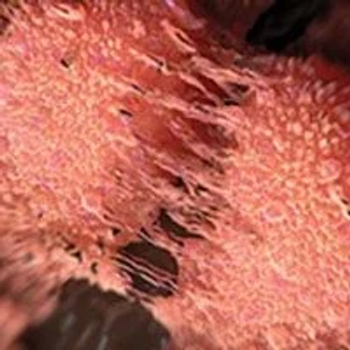
Apalutamide plus androgen deprivation therapy and radiotherapy was evaluated in patients with high- and very high–risk localized or locally advanced prostate cancer, with RT schedules that are reflective of recommended practice guidelines.

Sotorasib demonstrated clinically meaningful activity and acceptable tolerability in heavily pretreated patients with KRAS G12C–mutated advanced pancreatic cancer, according to date from the single-arm, phase 1/2 CodeBreak 100 trial.

Zanubrutinib achieved favorable health-related quality of life outcomes compared with bendamustine plus rituximab in patients with treatment-naïve chronic lymphocytic leukemia and small lymphocytic lymphoma.