

The Allegheny Health Network's comprehensive cancer navigation program supports all cancer patients from diagnosis to treatment and beyond.

Your AI-Trained Oncology Knowledge Connection!
The Allegheny Health Network's comprehensive cancer navigation program supports all cancer patients from diagnosis to treatment and beyond.

Aadi Bioscience will end the PRECISION 1 trial evaluating nab-sirolimus in solid tumors harboring TSC1/2 alterations.
The FDA has accepted a supplemental biologics license application for nivolumab plus ipilimumab for first-line unresectable hepatocellular carcinoma.
The FDA has issued a CRL to the BLA seeking approval of linvoseltamab for use in select patients with relapsed or refractory multiple myeloma.

Manmeet S. Ahluwalia, MD, MBA, FASCO, discusses ongoing efforts to overcome challenges in cancer care in 2024.
Luis E. Raez, MD, FACP, FCCP, FASCO, discusses the FDA approval of repotrectinib for NTRK-positive advanced solid tumors.

Katharine A. Price, MD, discusses the use of HPV-targeted immunotherapy vaccines in patients with HPV16-positive head and neck squamous cell carcinoma.
John V. Heymach, MD, PhD, and Marina Chiara Garassino, MD, discuss data with perioperative durvalumab in resectable NSCLC in light of the ODAC decision.
Tennessee Cancer Specialists, the third largest oncology practice in the state, strengthens its ability to deliver cutting-edge advanced care by joining The Network.
GSK5764227 has received breakthrough therapy designation from the FDA for use in select patients with extensive-stage small cell lung cancer.

An NDA seeking approval of sacituzumab tirumotecan for select patients with EGFR+ non–small cell lung cancer has been accepted by the NMPA's CDE.

China’s National Medical Products Administration has approved enfortumab vedotin for adult patients with locally advanced or metastatic urothelial cancer.
Alessandro Villa, DDS, PhD, MPH, discusses the importance of oral medicine in cancer treatment.
Males harboring BRCA1/2 pathologic variants have a higher risk of developing select cancers but are less likely to undergo genetic testing.

The European Commission has granted conditional marketing authorization to epcoritamab for patients with relapsed or refractory follicular lymphoma.
The FDA has approved first-line amivantamab plus lazertinib for locally advanced or metastatic EGFR-mutated non–small cell lung cancer.

Jeffrey S. Weber, MD, PhD, inductee of the 2016 Giants of Cancer Care award in Melanoma, has died.
Treatment with sacituzumab govitecan led to antitumor activity in endometrial cancer and TROP-2 expression did not appear to affect response to the agent.

Sanjay S. Reddy, MD, FACS, OF Fox Chase Cancer Center, recently received the center’s 2024 Medical Staff Executive Committee Faculty Citizenship Award.
The FDA has granted orphan drug designation to PT217 for the treatment of patients with neuroendocrine carcinoma.
The FDA has lifted a partial clinical hold on the phase 1 trial evaluating YL202 in advanced breast cancer and EGFR-mutated non–small cell lung cancer.

The EMA has validated a type II variation application for trastuzumab deruxtecan for select patients with HER2-low or -ultralow metastatic breast cancer.

The EMA has expanded the indication for lisocabtagene maraleucel to include the treatment of patients with relapsed or refractory follicular lymphoma.
Noah Kalman, MD, MBA, details new technology for treating head and neck cancer, and ongoing trials examining therapies at Miami Cancer Institute.
Neil J. Shah, MBBS, discusses real-world outcomes of patients with metastatic RCC receiving treatment in the post-IO/TKI setting following progression.
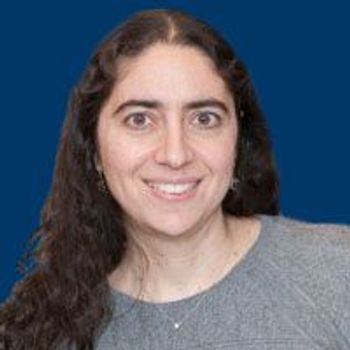
Rona Yaeger, MD, details the FDA approval of adagrasib plus cetuximab in KRAS G12C-mutated colorectal cancer and how the approval will advance the field.
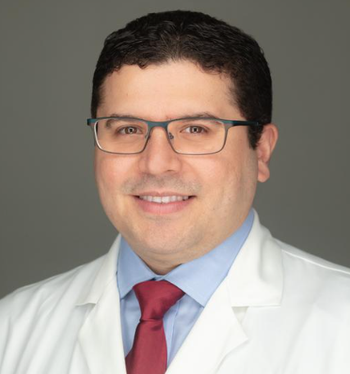

Andrew Hantel, MD, discusses environmental and health impacts of decentralizing cancer care in response to high emissions generated by US health care.
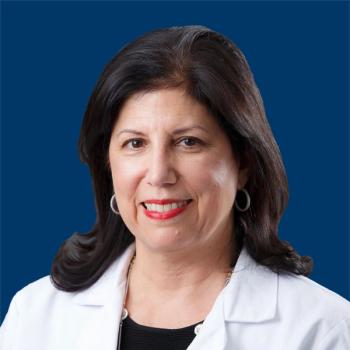
Linda T. Vahdat, MD, discusses research with copper depletion in patients with high-risk triple-negative breast cancer.
Andrew Hantel, MD, discusses the evaluation of eligibility criteria in acute myeloid leukemia clinical trials that may perpetuate racial disparities.