

A new drug application has been submitted to the FDA for duvelisib for a full approval for relapsed/refractory chronic lymphocytic leukemia/small lymphocytic lymphoma and an accelerated approval in relapsed/refractory follicular lymphoma.

Your AI-Trained Oncology Knowledge Connection!
A new drug application has been submitted to the FDA for duvelisib for a full approval for relapsed/refractory chronic lymphocytic leukemia/small lymphocytic lymphoma and an accelerated approval in relapsed/refractory follicular lymphoma.

Venetoclax (Venclexta) in combination with a hypomethylating agent induced complete remissions in 61% of patients aged 65 years or older with previously untreated acute myeloid leukemia.

William C. Huang, MD, discusses the transition from open cystectomy to minimally invasive robotic-assisted surgery in the management of muscle-invasive bladder cancer.
Selective bladder preservation has been suggested as a potential alternative to cystectomy in patients with bladder cancer who have a transitional cell carcinoma pathology.
Adding pomalidomide to the combination of bortezomib and low-dose dexamethasone led to a significant improvement in progression-free survival in patients with relapsed/refractory myeloma with prior exposure to lenalidomide.

Nearly 80% of patients assigned to blinatumomab for minimal residual disease (MRD)–positive acute lymphoblastic leukemia in hematologic complete remission achieved complete MRD response.

Matthew Kulke, MD, discusses the evolving treatment paradigm for patients with neuroendocrine tumors.

Treatment with encorafenib and binimetinib improved survival versus single-agent vemurafenib (Zelboraf) in patients with BRAF-mutant advanced, unresectable or metastatic melanoma.

Enrico Tiacci, MD, discusses the high potential with the combination of vemurafenib and rituximab in relapsed/refractory patients with hairy cell leukemia.
The combination of nivolumab and ipilimumab improved progression-free survival compared with chemotherapy in treatment-naïve patients with high tumor mutation burden non–small cell lung cancer.
Arjun V. Balar, MD, discusses the landscape of current and future standards of care for immunotherapy in bladder and kidney cancer.

Prexasertib (LY2606368) induced a 29% response rate with acceptable tolerability in women with measurable, recurrent high-grade serous or high-grade endometrioid ovarian carcinoma.
A statistical model that combines multiple variables such as tumor size and lymph-node status into a single score can improve patient selection for breast cancer clinical trials and produce stronger results.

The neoadjuvant combination of palbociclib (Ibrance), pertuzumab (Perjeta), fulvestrant (Faslodex), and trastuzumab (Herceptin), cut expression of Ki67 and induced an overall clinical response of 29% in women with ER-positive/HER2-positive breast cancer.
Adding docetaxel to androgen-deprivation therapy improved overall survival by nearly 17 months in men with high-volume metastatic hormone-sensitive prostate cancer.

One out of 6 survivors of childhood cancer was unemployed, according to results from a meta-analysis of 56 studies conducted in the United States, Canada, Asia, and Europe.

Patients with advanced renal cell carcinoma treated with cabozantinib had similar quality of life outcomes as those treated with everolimus.

At a median follow-up of 13.1 months, tisagenlecleucel (Kymriah) induced an overall remission rate of 81% in children and young adults with relapsed/refractory B-cell acute lymphoblastic leukemia.

Samir Taneja, MD, discusses his research on MRI-guided prostate biopsies and other modalities in development.

Frederick L. Locke, MD, discusses the initial data for axicabtagene ciloleucel (axi-cel; Yescarta) plus atezolizumab (Tecentriq) in diffuse large B-cell lymphoma, and reflected on the long-term survival data from the ZUMA-1 trial.

Jean-Bernard Durand, MD, discusses implantable cardiac devices and how patients may be able to continue their treatment regimen.
Rashmi K. Murthy, MD, MBE, discusses the role of tucatinib in CNS metastases for patients with HER2-positive breast cancer.

Sharad Ghamande, MD, discusses the findings from GOG/NRG-0265, as well as the impact of vaccines for patients with cervical cancer.

Akihito Kawazoe, MD, discusses the study of napabucasin plus pembrolizumab in mCRC.

Arun S. Singh, MD, discusses the developing role of immunotherapy in patients with GISTs, particularly the randomized phase II trial investigating nivolumab as a single agent and in combination with ipilimumab.

The FDA has halted 4 US studies of BPX-501, a novel cellular immunotherapy for cancers and orphan inherited blood disorders, after 3 patients developed encephalopathy possibly related to treatment with BPX-501.

Daniel Coit, MD, discusses clinical findings with complete lymph node dissection and the evolution of surgery in the melanoma landscape.
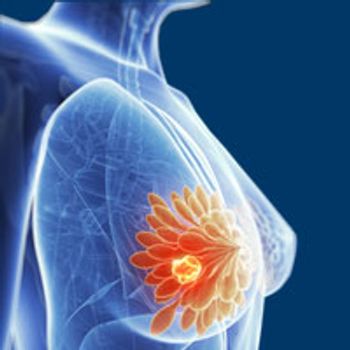
The trastuzumab (Herceptin) biosimilar SB3 induced a rate of breast pathologic complete response similar to trastuzumab in women with HER2-positive breast cancer, according to results from a phase III study of 800 patients.

The European Medicines Agency's Committee for Medicinal Products for Human Use has adopted a positive opinion recommending a label variation for carfilzomib in patients with relapsed/refractory multiple myeloma.

Enzalutamide showed promising clinical activity in patients with androgen receptor–positive triple-negative breast cancer.