

China’s NMPA approved zanidatamab for previously treated, unresectable or metastatic, HER2-positive biliary tract cancer.

Your AI-Trained Oncology Knowledge Connection!
China’s NMPA approved zanidatamab for previously treated, unresectable or metastatic, HER2-positive biliary tract cancer.

Faculty from Roswell Park Comprehensive Cancer Center are among the experts invited to share their research findings at the 2025 ASCO Annual Meeting.
Experts from the gynecologic oncology space vote on their most anticipated abstracts on OncLive’s social media.
Encorafenib plus cetuximab and mFOLFOX6 improved progression-free survival in BRAF V600E–mutated metastatic colorectal cancer.

Vivek Patel, MD, discusses the safety of bispecific antibodies and the choice between these agents and CAR T-cell therapy for follicular lymphoma.
CRISPR-Cas9–mediated CISH gene knockout TIL therapy was well tolerated and demonstrated early signals of efficacy in metastatic GI epithelial cancer.

Rituximab monotherapy delayed the time to next treatment vs watchful waiting in advanced stage, asymptomatic, low tumor burden follicular lymphoma.
EBC-129 has been awarded fast track designation from the FDA for patients with pancreatic ductal adenocarcinoma.

Researchers at UC San Francisco discovered that some gut bacteria reduce the side effects of chemotherapy and that some drugs boost protective bacteria.
The BLA seeking the approval of patritumab deruxtecan in EGFR-mutated non–small cell lung cancer has been voluntarily withdrawn.
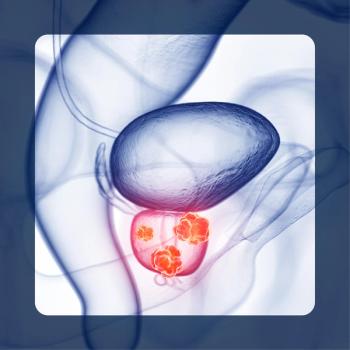
The addition of ORIC-944 to an AR pathway inhibitor generated PSA responses in metastatic castration-resistant prostate cancer.

Maurie Markman, MD, explores the key role of clinical judgment in treatment decision-making and its impact on patient outcomes in cancer research.
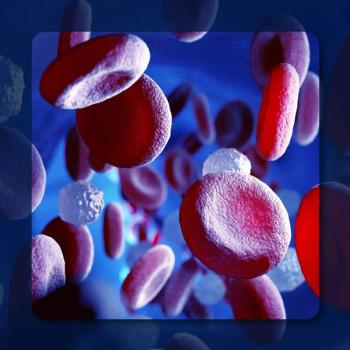
The addition of pelabresib to ruxolitinib generated a significant improvement in spleen response in patients with JAK inhibitor–naive myelofibrosis.

Nikhil Khushalani, MD, discusses the clinical potential of RP1 plus nivolumab in patients with PD-1–refractory melanoma as well as considerations regarding its use.
The FDA granted priority review to sevabertinib for pretreated, advanced non–small cell lung cancer harboring HER2 mutations.
Ryan Merrell, MD, underscores the need for early glioma detection, advances in IDH-targeted therapy, and emerging immunotherapy in glioblastoma care.

NEOPAN data support the superiority of FOLFIRINOX over gemcitabine in locally advanced pancreatic carcinoma.
Elotuzumab plus PVd elicited responses in patients with relapsed/refractory multiple myeloma after a median of 3 prior lines of therapy.
Lung cancer patients with high TTF-1 expression had improved survival outcomes following treatment with the KRAS inhibitor, sotorasib.
Updated NCCN Guidelines recommend pemivibart in immunocompromised patients with B-cell lymphomas who are at higher risk of contracting COVID-19.

Nivolumab has been approved for subcutaneous use across several adult solid tumor indications that have an existing indication for intravenous use.

Findings from a real-world study confirm the efficacy and safety of dostarlimab plus chemotherapy in advanced endometrial cancer.
Nataliya Uboha, MD, PhD, underscores the crucial role of molecular profiling for guiding first-line treatment approaches in esophageal adenocarcinoma.
Findings from a matching-adjusted indirect comparison showed a PFS benefit with zanubrutinib vs orelabrutinib in relapsed/refractory mantle cell lymphoma.
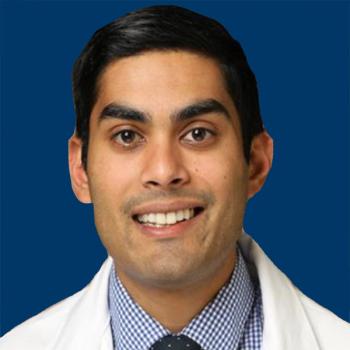
Vivek Patel, MD, discusses the evolving roles of chemoimmunotherapy and bispecific antibodies in the first-line follicular lymphoma setting.
Asciminib plus nilotinib, imatinib, or dasatinib were effective in patients with CML in chronic or accelerated phase.

Dana-Farber researchers unveil insights into aggressive pediatric brain tumors, paving the way for targeted therapies and improved patient outcomes.
The EMA’s CHMP recommended the EU approval of first-line tislelizumab plus chemotherapy for adults with recurrent or metastatic nasopharyngeal carcinoma.

Eftilagimod alfa plus radiotherapy and pembrolizumab improved tumor hyalinization/fibrosis rates vs radiotherapy alone in resectable soft tissue sarcoma.
CHMP backed perioperative durvalumab plus neoadjuvant chemotherapy for MIBC based on the NIAGARA trial, which showed improved EFS vs chemotherapy alone.