

Single-agent neratinib produced robust responses in patients with metastatic or recurrent HER2-mutated cervical cancer, according to updated data from phase 2 SUMMIT basket trial.

Your AI-Trained Oncology Knowledge Connection!
Single-agent neratinib produced robust responses in patients with metastatic or recurrent HER2-mutated cervical cancer, according to updated data from phase 2 SUMMIT basket trial.
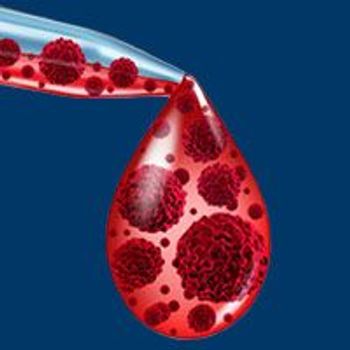
Study establishes rationale for combination approaches targeting multiple proteins — therapy produces responses in 70% of study participants, including those who who relapsed after prior CAR T therapy.
Matthew J. Matasar, MD, discusses the unmet needs remaining in diffuse large B-cell lymphoma.

Zanidatamab zovodotin was found to produce encouraging responses and to have a manageable toxicity profile when used as a monotherapy in heavily pretreated patients with HER2-positive solid cancers.
Shanu Modi, MD, discusses the significance of the FDA approval of the antibody-drug conjugate trastuzumab deruxtecan in patients with HER2-low breast cancer.
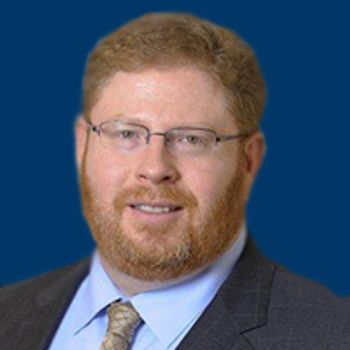
The combination of enfortumab vedotin and pembrolizumab elicited a high overall response rate and a manageable safety profile in patients with locally advanced or metastatic urothelial cancer.
Lenvatinib plus pembrolizumab maintained clinically meaningful benefits in outcomes vs physician’s choice of therapy for patients with advanced endometrial cancer who received prior platinum-based chemotherapy.
The combination of adjuvant nivolumab and ipilimumab did not elicit a significant disease-free survival benefit vs placebo in patients with localized, renal cell carcinoma at high risk for relapse after nephrectomy.

A pan-tumor blood-based assay demonstrated a specificity of 99.1% and positive predictive value of 38.0% and resulted in a diagnosis of cancer in 35 individuals.
OncLive® will be LIVE with OncLive® News Network: On Location at the 2022 ESMO Congress. Each day, we will broadcast a series of interviews with top thought leaders, to learn their thoughts and reactions to data presented across oncology during the conference.
OncLive® will be LIVE with OncLive® News Network: On Location at the 2022 ESMO Congress. Each day, we will broadcast a series of interviews with top thought leaders, to learn their thoughts and reactions to data presented across oncology during the conference.
Anita Kumar, MD, discusses considerations for the use of second-line BTK inhibitors in patients with mantle cell lymphoma who progress on BTK inhibitors.
Dr Modi discusses the significance of the FDA approval of trastuzumab deruxtecan in metastatic HER2-low breast cancer, pivotal efficacy and safety data from the DESTINY-Breast04 trial, and how these findings pave the way for further progress across cancer therapy.

Shanu Modi, MD, discusses the significance of the approval of trastuzumab deruxtecan for patients with HER2-low breast cancer.
Anthony Mato, MD, MSCE, discusses the factors used to make treatment decisions between BTK inhibitors and venetoclax in chronic lymphocytic leukemia.

Wungki Park, MD, discussed the rationale of targeting CLDN18.2 in patients with pancreatic cancer, preclinical data supporting the use of zolbetuximab in this patient population, and the key objectives of the ongoing phase 2 trial
Saad Z. Usmani, MD, MBA, FACP, discusses the rapidly evolving treatment landscape in multiple myeloma.

Saad Z. Usmani, MD, MBA, FACP, discusses key efficacy findings that support the use of teclistamab in patients with relapsed/refractory multiple myeloma who have had prior exposure to BCMA-targeted agents.
Anita Kumar, MD, discusses treatment options for patients with mantle cell lymphoma who progress on BTK inhibitors.
Twelve years after key research into immune checkpoint inhibitor therapy first made a splash at the American Society of Clinical Oncology Annual Meeting, evidence continues to mount that supports the durability of these agents in a range of cancers.

An influx of bispecific T-cell engagers, CAR T-cell therapies, and antibody-drug conjugates have revolutionized the treatment of hematologic malignancies; however, with several options in the sandbox, accessibility and unexplored clinical questions present challenges for optimal integration of these options into treatment.

Neratinib-based combinations, antibody-drug conjugates, and bispecific antibodies represent novel and effective treatment options for patients with pretreated HER2-mutant and HER2-low metastatic breast cancer, but the successful integration of these regimens into care will require further investigation into current definitions of HER2 positivity.
Raajit K. Rampal, MD, PhD, discusses the potential utilization of navtemadlin in relapsed/refractory acute myeloid leukemia and patients with blast phase myeloproliferative neoplasm in a phase 1b/2 trial.

Batiraxcept will continue to be investigated in combination with cabozantinib, plus in combination with cabozantinib and nivolumab and as a single agent, in patients with advanced or metastatic clear cell renal cell carcinoma in a phase 2 study.
The European Medicines Agency has validated a Type II Variation application for trastuzumab deruxtecan as monotherapy for adults with unresectable or metastatic HER2-low breast cancer.

A single infusion of the CAR T-cell therapy ciltacabtagene autoleucel produced deep and durable responses in patients with relapsed/refractory multiple myeloma with a manageable toxicity profile, according to long-term follow-up data of the phase 1b/2 CARTITUDE-1 trial.

Fam-trastuzumab deruxtecan-nxki demonstrated a statistically significant benefit in progression-free survival in patients with HER2-low metastatic breast cancer, meeting the primary end point of the phase 3 DESTINY-Breast04 trial and changing the standard of care for this patient population.
Dr Lee highlights treatment developments in non–clear cell renal cell carcinoma, emphasizes the need for precise classification of the histologic subsets of this disease, and discusses the investigation of cabozantinib plus nivolumab across stratified cohorts of non–clear cell renal cell carcinoma.
Eytan M. Stein, MD, discusses the phase 2 SELECT-AML-1 trial in patients with newly diagnosed acute myeloid leukemia.
Eytan M. Stein, MD, discusses the phase 1/2 KOMET-001 trial in relapsed/refractory acute myeloid leukemia.