



Gastrointestinal Cancer
Latest News
Advertisement
Latest Videos
CME Content































Advertisement
More News
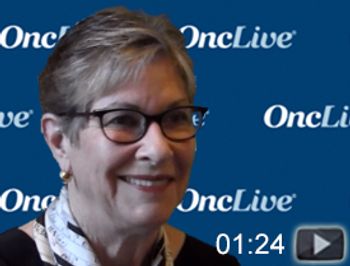
Margaret A. Tempero, MD, director, University of California, San Francisco (UCSF) Pancreas Center, professor of medicine, Division of Hematology and Oncology, Rombauer Family Distinguished Professor in Pancreas Cancer Clinical and Translational Science, UCSF Helen Diller Family Comprehensive Cancer Center, discusses the role of molecular profiling in pancreatic cancer.
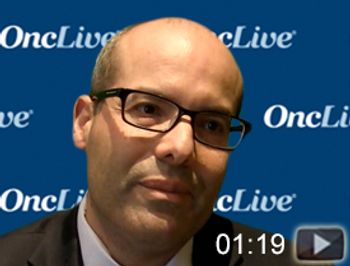
Marwan Fakih, MD, professor, Department of Medical Oncology and Therapeutics Research, associate director for Clinical Investigations, Comprehensive Cancer Center, medical director, Judy and Bernard Briskin Center for Clinical Research, co-director, Gastrointestinal Cancer Program, and section head, Gastrointestinal Medical Oncology, City of Hope, discusses the use of immunotherapy in patients with microsatellite stable (MSS) colon cancer.
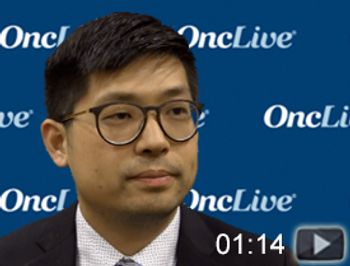
Michael S. Lee, MD, assistant professor of medicine, Department of Molecular Therapeutics, UNC Lineberger Comprehensive Cancer Center, discusses the treatment of patients with newly diagnosed metastatic colorectal cancer.
Cathy Eng, MD, professor of gastrointestinal and medical oncology, Department of Gastrointestinal Medical Oncology, Division of Cancer Medicine, The University of Texas MD Anderson Cancer Center, discusses the BEACON CRC study in patients with BRAF-mutated colorectal cancer.
Amit Mahipal, MBBS, senior associate consultant, Division of Medical Oncology, Department of Oncology, associate professor of oncology, Mayo Clinic, discusses maintenance therapy in colorectal cancer (CRC).
Jonathan Mizrahi, MD, discusses recent pivotal data in colorectal cancer and its impact on personalized care in the treatment paradigm.
Benjamin Leon Musher, MD, reflects on the progress that has been made in hepatocellular carcinoma and highlights promising combinations that are emerging in the space.
In a provisional clinical opinion, an expert panel convened by the American Society of Clinical Oncology has recommended that patients with pancreatic cancer undergo assessment of risk for hereditary syndromes that contribute to higher likelihood of pancreatic cancer.
Marwan Fakih, MD, professor, Department of Medical Oncology and Therapeutics Research, associate director for Clinical Investigations, Comprehensive Cancer Center, medical director, Judy and Bernard Briskin Center for Clinical Research, co-director, Gastrointestinal Cancer Program, and section head, Gastrointestinal Medical Oncology, City of Hope, discusses the use of regional therapy in the treatment of patients with colorectal cancer (CRC).
Margaret A. Tempero, MD, director of the Pancreas Center and the Rombauer Family Distinguished Professor in Pancreas Cancer Clinical and Translational Science at the University of California, San Francisco Helen Diller Family Comprehensive Cancer Center, discusses the importance of germline testing in pancreatic cancer.
Margaret A. Tempero, MD, discusses the impact of FOLFIRINOX in the treatment of patients with metastatic pancreatic cancer and sheds light on the importance of molecular profiling in the space.
John L. Marshall, MD, chief, Division of Hematology/Oncology, Medstar Georgetown University Hospital director, Otto J. Ruesch Center for the Cure of Gastrointestinal Cancer, Georgetown-Lombardi Comprehensive Cancer Center, discusses HER2 amplification in colorectal cancer (CRC).
Richard Kim, MD, assistant professor of oncology, University of South Florida College of Medicine, medical oncologist, Department of Gastrointestinal Oncology, Moffitt Cancer Center, discusses the role of frontline immunotherapy in patients with advanced hepatocellular carcinoma.
Jordan D. Berlin, MD, sheds light on current and future directions in the field of locally advanced pancreatic cancer.
Derek R. McHaffie, MD, discusses the role of radiation therapy in the treatment of gastrointestinal cancers and the impact of radionuclide therapy in patients with neuroendocrine tumors.
Michael S. Lee, MD, assistant professor of medicine, Department of Molecular Therapeutics, UNC Lineberger Comprehensive Cancer Center, discusses tailoring treatment to tumor sidedness in patients with metastatic colorectal cancer.
J. Stuart Salmon, MD, highlights first-, second-, and third-line treatment options for patients with gastric and gastroesophageal cancer following recent clinical trial findings and regulatory approvals.
Kunal C. Kadakia, MD, highlight key takeaways from the the PROMID, CLARINET, and NETTER-1 trials and explains how their findings have been applied to clinical practice.
Jimmy J. Hwang, MD, sheds light on updates in both metastatic pancreatic cancer and advanced hepatocellular carcinoma that have created new complexities for researchers.
Jordan D. Berlin, MD, Ingram Professor of Cancer Research, professor of medicine, VICC associate director for clinical research strategy, director, Phase I Program, gastrointestinal malignancies, clinical trials, Department of Medicine, Vanderbilt University Medical Center, discusses potential targets in pancreatic cancer.
Mohamed E. Salem, MD, a medical oncologist at Levine Cancer Institute, Atrium Health, discusses the results of the MyPathway trial in metastatic colorectal cancer (mCRC).
Sandip Patel, MD, associate professor of medicine at the University of California San Diego School of Medicine, discusses the benefit of the immune checkpoint inhibitor combination of ipilimumab (Yervoy) and nivolumab (Opdivo) in patients with rare, high-grade neuroendocrine tumors.
Maintenance therapy with rucaparib maintained disease control and was well tolerated in patients with platinum-sensitive, advanced BRCA1/2- or PALB2-mutant pancreatic cancer, according to preliminary interim findings of a single-arm, phase II trial.
Eric J. Jacobs, PhD, cancer epidemiologist and strategic director of pharmacoepidemiology, American Cancer Society, discusses results from a prospective cohort study examining the association between BMI and pancreatic cancer mortality.
Sameek Roychowdhury, MD, PhD, associate professor of medical oncology, the Ohio State University Comprehensive Cancer Center, discusses a phase II study with infigratinib (BGJ398) in patients with cholangiocarcinoma.
Advertisement
Advertisement
Trending on OncLive
1
Long-Term Cilta-Cel Data Show Low Rates of PFS Events in Standard-Risk R/R Myeloma
2
Nonresponse to Bridging Therapy and Peak ALC After Cilta-Cel Are Associated With Neurotoxicity, NRM in Myeloma
3
FDA Updates Axi-Cel Label to Remove Limitation of Use in R/R PCNSL
4
Real-World Data Support Clinical Benefit With Lifileucel in Previously Treated Advanced Melanoma
5