







Hematologic Oncology
Latest News
Advertisement
Latest Videos
CME Content































Advertisement
More News

Abhinav Deol, MD, highlights the progress that has been made with CAR T-cell therapy in leukemia and lymphoma, challenges faced with regard to accessibility and toxicity, and next steps for this modality.
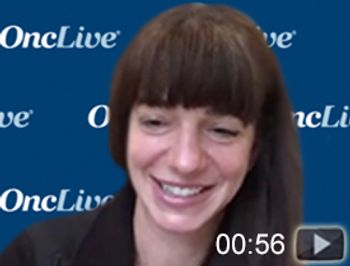
Caron Jacobson, MD, discusses the significance of CD19-targeted CAR T-cell therapy in B-cell malignancies.
Jeffrey Zonder, MD, discusses the explosion of targeted therapies, along with the rise of cellular therapy, in hematologic malignancies.

Derek C. Galligan, MD, discusses unmet needs in high-risk multiple myeloma.
In our exclusive interview, Brian T. Hill, MD, PhD, provides perspective on the FDA approval of selinexor in relapsed/refractory diffuse large B-cell lymphoma.
Single-agent daratumumab as maintenance therapy improved progression-free survival compared with observation in patients with newly diagnosed multiple myeloma eligible for autologous stem cell transplant.
p53 presents a significant challenge for investigators, and the field is littered with clinical trial failures and abandoned drug development programs.

The FDA has granted regular approval to venetoclax in combination with azacitidine, decitabine, or low-dose cytarabine for patients with newly diagnosed acute myeloid leukemia who are 75 years or older or who have comorbidities precluding intensive induction chemotherapy.
In our exclusive interview, Guillermo Garcia-Manero, MD, discusses the prevalence of TP53 mutations in myelodysplastic syndromes and acute myeloid leukemia, the prognosis these mutations confer, and the development of eprenetapopt and magrolimab in this patient population.
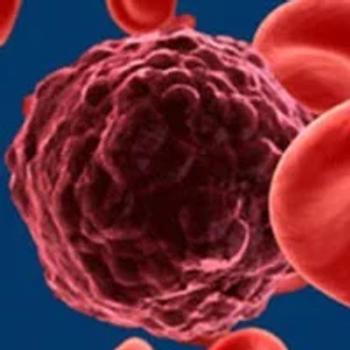
Guadecitabine failed to result in a statistically significant improvement in overall survival compared with physician’s choice of alternative therapy in previously treated adult patients with acute myeloid leukemia and myelodysplastic syndromes or chronic myelomonocytic leukemia.
The addition of the histone deacetylase inhibitor vorinostat to the mTOR inhibitors sirolimus or everolimus demonstrated encouraging clinical activity and manageable safety in heavily pretreated patients with relapsed/refractory Hodgkin lymphoma.

As James K. McCloskey II, MD, begins the next chapter of his career as chief of the Division of Leukemia at John Theurer Cancer Center at Hackensack University Medical Center.
The FDA has approved an expanded label for pembrolizumab for use as a monotherapy in the treatment of adult patients with relapsed or refractory classical Hodgkin lymphoma and pediatric patients with refractory classical Hodgkin lymphoma, or classical Hodgkin lymphoma that has relapsed after 2 or more lines of therapy.
Copanlisib in combination with rituximab prolonged progression-free survival in patients with non-Hodgkin lymphoma who relapsed following 1 or more previous lines of rituximab-based therapy.

Rebecca Silbermann, MD, MMS, discusses the role of disease biology in multiple myeloma.

Higher levels of blood tumor involvement were linked with more favorable outcomes in patients who received treatment with mogamulizumab compared with vorinostat in patients with 2 types of cutaneous T-cell lymphoma.

Rebecca Silbermann, MD, MMS, discusses combinations featuring the monoclonal antibodies daratumumab or isatuximab-irfc and how they have made notable differences in outcomes for patients with relapsed/refractory multiple myeloma.
Peter Martin, MD, discusses the need for head-to-head comparison of BTK inhibitors in mantle cell lymphoma.

Brian T. Hill, MD, PhD, discusses future research with CAR T-cell therapy in hematologic malignancies.
Derek Galligan, MD, discusses the role of 3-drug combinations and ongoing research efforts that are focused on evaluating the use of quadruplet regimens earlier on in the treatment journey.

Brian T. Hill, MD, PhD, discusses the management of cytokine release syndrome in patients with hematologic malignancies who are treated with CAR T-cell therapy.

An increased understanding of the biologic intricacies of acute myeloid leukemia has led to the identification of more than 100 driver mutations associated with the disease, opening the door for targeted therapies with clinically meaningful outcomes for patients who are not candidates for intensive chemo-therapy regimens.

Although the majority of patients with follicular lymphoma have a life expectancy similar to that of the general population, predicting which patients will relapse and finding therapies that provide durable responses in the relapsed or refractory setting remains an ongoing challenge.

Abhinav Deol, MD, discusses the role of CAR T-cell therapy in pediatric patients with acute lymphoblastic leukemia.
Investigators are developing a new way to target a key oncogenic mechanism that may prove to be an effective anticancer strategy, particularly against hematologic malignancies.
Advertisement
Advertisement
Trending on OncLive
1
Single-Center, Retrospective Data Show Low Rate of Lifileucel Infusion Following Referral in Advanced Melanoma
2
Long-Term Cilta-Cel Data Show Low Rates of PFS Events in Standard-Risk R/R Myeloma
3
Real-World Data Support Clinical Benefit With Lifileucel in Previously Treated Advanced Melanoma
4
Dr Riedell on the Long-Term Efficacy of Tisa-Cel in R/R Follicular Lymphoma
5