




Hematologic Oncology
Latest News


Omidubicel Meets All Secondary End Points of Phase 3 Trial in Hematologic Malignancies
By Kristi Rosa
Advertisement
Latest Videos


CME Content































Advertisement
More News

The FDA has issued a complete response letter to Mesoblast Limited regarding a biologics license application for remestemcel-L, recommending that at least 1 additional randomized, controlled study be conducted in adult and/or pediatric patients to provide further evidence of the efficacy of the agent in steroid-refractory acute graft-versus-host disease.
In our exclusive interview, Dr. Leonard discusses the FDA approval of tazemetostat in patients with relapsed/refractory follicular lymphoma whose tumors are EZH2 positive, as well as those with relapsed/refractory follicular lymphoma who have no other available satisfactory treatment options, and the benefits of providing another agent for this subset of patients.

Nina Shah, MD, and Sandy Wong, MD, discuss the predictive value of minimal residual disease and a potential course of treatment for a patient with revised International Staging System I multiple myeloma.
Kami Maddocks, MD, discusses the significance of the selinexor approval in the diffuse large B-cell lymphoma treatment paradigm, emerging strategies that seek to address unmet needs, and remaining sequencing questions.

Kami J. Maddocks, MD, discusses ongoing sequencing challenges in diffuse large B-cell lymphoma.

John M. Burke, MD, discusses the potential benefits of time-limited therapy with BTK inhibitors in B-cell malignancies.

Brian T. Hill, MD, PhD, discusses the impact of recent regulatory approvals in relapsed/refractory diffuse large B-cell lymphoma.
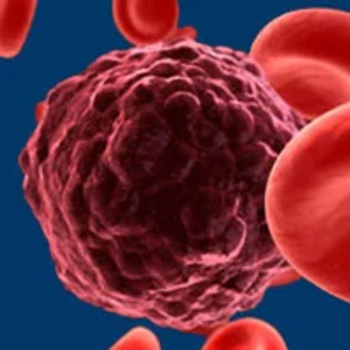
The investigational CAR T-cell product AUTO3 in combination with pembrolizumab was found to have a tolerable safety profile and elicit durable complete responses in patients with relapsed/refractory diffuse large B-cell lymphoma.

The FDA has granted a priority review to a supplemental new drug application for crizotinib in the treatment of pediatric patients with ALK-positive relapsed/refractory systemic anaplastic large cell lymphoma.

A biologics license application has been submitted to the FDA for loncastuximab tesirine for the treatment of patients with relapsed or refractory diffuse large B-cell lymphoma.

Abhinav Deol, MD, discusses the nuances of utilizing CAR T-cell therapy in lymphoma and leukemia.

Catherine Lai, MD, MPH, discusses the significance of venetoclax in the acute myeloid leukemia treatment paradigm, the data from the VIALE-A trial, and remaining challenges faced in practice.

Oncologists who specialize in the treatment of hematologic malignancies participated in a virtual workshop to discuss the emerging treatment landscape in myelodysplastic syndromes.

The FDA has granted a breakthrough therapy designation to magrolimab for the treatment of patients with newly diagnosed myelodysplastic syndrome.
Kami J. Maddocks, MD, discusses the role of tazemetostat in patients with EZH2-mutant follicular lymphoma.

Aarthi Shenoy, MD, discusses how the emergence of the antibody-drug conjugate, brentuximab vedotin, has had a positive impact on improving overall survival and progression-free survival for patients with T-cell lymphomas and classical Hodgkin lymphoma.

Shuo Ma, MD, PhD, discusses the evolving role of BTK inhibitors in B-cell malignancies, ongoing research efforts examining their use, safety concerns to be aware of with the agents, and next steps for research.
Lori A. Leslie, MD, highlights ibrutinib, acalabrutinib, and zanubrutinib, the 3 FDA approved BTK inhibitors that have become very important weapons in the treatment arsenal for B-cell malignancies.
The European Commission has approved an expanded indication of ibrutinib for use in combination with rituximab in treatment-naïve adult patients with chronic lymphocytic leukemia.

Sandy Wong, MD, highlights recent developments in light chain amyloidosis.
Kami J. Maddocks, MD, discusses the utility of BTK inhibitors in B-cell malignancies, challenges that are still faced in the space, and areas primed for additional development.
A supplemental biologics license application has been submitted to the FDA for daratumumab plus hyaluronidase-fihj for the treatment of patients with amyloid light chain amyloidosis.
Patients with chronic lymphocytic leukemia who are being treated with ofatumumab will soon have to get their therapy through an oncology patient access program, as Novartis will no longer be selling the drug commercially for this indication.
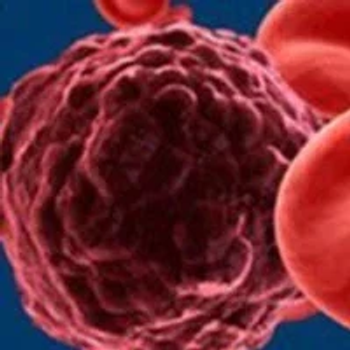
The first-in-class radioiodinated phospholipid drug conjugate CLR 131 elicited a clinically meaningful overall response rate of 40% in patients with triple-class refractory multiple myeloma who received a total administered dose of 60 mCi or greater.

Shuo Ma, MD, PhD, highlights ongoing research with BTK inhibitors in B-cell malignancies.
Advertisement
Advertisement
Trending on OncLive
1
Long-Term Cilta-Cel Data Show Low Rates of PFS Events in Standard-Risk R/R Myeloma
2
Real-World Data Support Clinical Benefit With Lifileucel in Previously Treated Advanced Melanoma
3
FDA Updates Axi-Cel Label to Remove Limitation of Use in R/R PCNSL
4
Dr Riedell on the Long-Term Efficacy of Tisa-Cel in R/R Follicular Lymphoma
5