




Hematologic Oncology
Latest News
Advertisement
Latest Videos

CME Content
































Advertisement
More News
Yana Pikman, MD, a physician in the Cancer and Blood Disorders Center at Dana-Farber Cancer Institute and instructor of pediatrics at Harvard Medical School, discusses a trial attempting to match pediatric patients with more precise therapy for acute leukemia.
The FDA has approved ravulizumab-cwvz as an injection treatment of adult patients with paroxysmal nocturnal hemoglobinuria, a rare blood disorder that leads to hemolysis.

Michael Andreeff, MD, PhD, chair of genetics, professor of medicine, Department of Leukemia, Division of Cancer Medicine, The University of Texas MD Anderson Cancer Center, discusses the promise of venetoclax in acute myeloid leukemia.
The FDA has approved tagraxofusp-erzs infusion for the treatment of adult and pediatric patients, aged ≥2 years, with blastic plasmacytoid dendritic cell neoplasm.
Sundar Jagannath, MD, director of the Multiple Myeloma program and professor of medicine at the Tisch Cancer Institute, Mount Sinai Health System, discusses cancer proliferation in multiple myeloma.
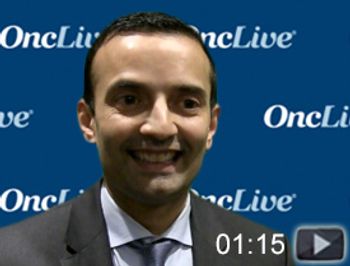
Ajai Chari, MD, associate professor of Medicine, Hematology and Medical Oncology, at Mount Sinai Hospital, discusses the use of pomalidomide (Pomalyst), bortezomib (Velcade), and dexamethasone (PVd) for relapsed patients with multiple myeloma.
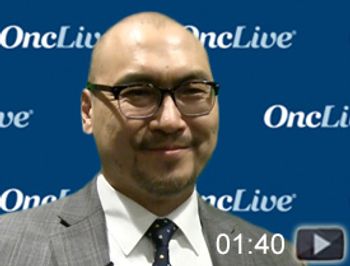
Hearn Jay Cho, MD, PhD, associate professor of medicine, Hematology/Oncology, Icahn School of Medicine, Mount Sinai Hospital, discusses the knowledge deficit in multiple myeloma.

The European Medicines Agency’s Committee for Medicinal Products for Human Use has recommended approval of brentuximab vedotin for use in combination with chemotherapy as a frontline treatment for adult patients with CD30+ stage IV Hodgkin lymphoma.
Almost half of adult patients with previously treated chronic immune thrombocytopenia achieved major responses with the SYK inhibitor fostamatinib (Tavalisse).
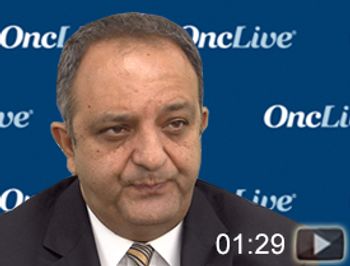
Farhad Ravandi, MBBS, professor of medicine, department of leukemia, The University of Texas MD Anderson Cancer Center, discusses targeting CD33 in patients with relapsed/refractory acute myeloid leukemia.
Nonpediatric young adults with stage III/IV Hodgkin lymphoma had significantly better progression-free survival when treated with brentuximab vedotin and conventional chemotherapy compared with standard therapy.
A growing understanding about the underlying biology of myelofibrosis has helped improve the diagnosis and treatment of the disease during the past decade and is paving the way for further advancements.

Data from 2 early-stage trials of bispecific T-cell engager antibody constructs in relapsed/refractory hematologic malignancies demonstrated antitumor activity and early evidence of tolerability.

The combination of nivolumab and azacitidine demonstrated favorable responses and overall survival in patients with relapsed/refractory acute myeloid leukemia.
Alexander E. Perl, MD, associate professor of medicine, University of Pennsylvania, Perelman School of Medicine, discusses the promise of CAR T cells in the treatment of pediatric leukemia.
Thomas G. Martin, MD, clinical professor of medicine, Adult Leukemia and Bone Marrow Transplantation Program, associate director, Myeloma Program, University of California, San Francisco (UCSF); co-leader, Hematopoietic Malignancies Program, Helen Diller Family Comprehensive Cancer Center, discusses minimal residual disease (MRD) status in multiple myeloma.
A newly discovered recurrent mutation in the B-cell leukemia/lymphoma 2 protein mediates clinical resistance to venetoclax in patients with chronic lymphocytic leukemia.
Viola Poeschel, MD, department of hematology, oncology and rheumatology, Saarland University Medical School, Germany, discusses outcomes of patients with diffuse large B-cell lymphoma (DLBCL) who were treated with 4 cycles of R-CHOP during the 2018 ASH Annual Meeting.
Nina Shah, MD, associate professor of medicine at the University of California, San Francisco Helen Diller Comprehensive Cancer Center, discusses initial results from a phase I clinical trial of bb21217, a next-generation anti-BCMA CAR T-cell therapy, in patients with multiple myeloma during the 2018 ASH Annual Meeting.
The overall survival benefit with quizartinib in patients with relapsed/refractory FLT3-ITD-mutated acute myeloid leukemia was observed across patient subgroups and reproduced consistently across sensitivity analyses.
More than 70% of older patients ineligible for intensive chemotherapy for acute myeloid leukemia had complete responses to venetoclax combined with hypomethylating agents, preliminary results from clinical trials have shown.
An approach using machine learning to analyze genomic and clinical data from patients with myelodysplastic syndromes could replace the gold standard of predicting how long patients may live with the disease.
John P. Leonard, MD, associate dean for clinical research and Richard T. Silver Distinguished Professor of Hematology and Medical Oncology, Meyer Cancer Center, Weill Cornell Medicine and New York Presbyterian Hospital, discusses the key takeaway from the phase III AUGMENT trial, a randomized study of lenalidomide (Revlimid) plus rituximab (Rituxan) (R2) versus rituximab/placebo in patients with relapsed/refractory indolent non-Hodgkin lymphoma, during the 2018 ASH Annual Meeting.
Jordan Gauthier, MD, MSc, senior clinical research fellow, Fred Hutchinson Cancer Research Center, discusses a study comparing efficacy and toxicity of CD19-specific chimeric antigen receptor (CAR) T cells alone or in combination with ibrutinib in patients with relapsed and/or refractory chronic lymphocytic leukemia (CLL) during the 2018 ASH Annual Meeting.

The CD3 and CD20 bispecific antibody mosunetuzumab demonstrated promising complete remission rates with tolerable toxicity for patients with relapsed/refractory B-cell indolent and aggressive non-Hodgkin lymphoma.
Advertisement
Advertisement
Trending on OncLive
1
Single-Center, Retrospective Data Show Low Rate of Lifileucel Infusion Following Referral in Advanced Melanoma
2
Real-World Data Support Clinical Benefit With Lifileucel in Previously Treated Advanced Melanoma
3
Outcomes With Bridging Therapy Correlate With Cilta-Cel Efficacy, Safety in Multiple Myeloma
4
Long-Term Cilta-Cel Data Show Low Rates of PFS Events in Standard-Risk R/R Myeloma
5