

Hematologic Oncology
Latest News
Advertisement
Latest Videos
CME Content































Advertisement
More News
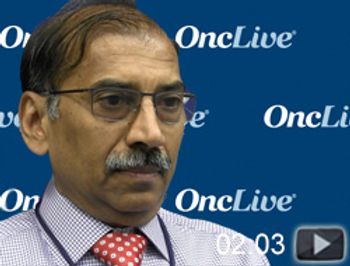
Sundar Jagannath, MD, director of the Multiple Myeloma program and professor of medicine at the Tisch Cancer Institute, Mount Sinai, discusses chimeric antigen receptor (CAR) T-cell therapy for patients with multiple myeloma.
The FDA’s Oncologic Drugs Advisory Committee has scheduled a public hearing to discuss a biologics license application for tisagenlecleucel-T for patients aged 3 to 25 years with relapsed/refractory B-cell acute lymphoblastic leukemia.
This is the first case report of hemophagocytic lymphohistiocytosis complicating a nodular lymphocyte–predominant Hodgkin lymphoma in an adult treated with rituximab, cyclophosphamide, doxorubicin, vincristine, and prednisone.
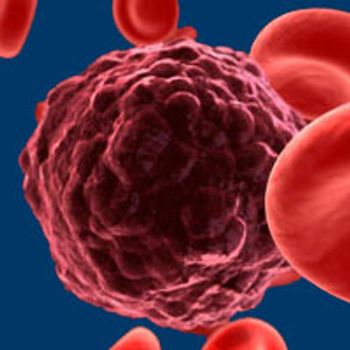
The FDA has accepted a new drug application from Jazz Pharmaceuticals, granting priority review to the company’s novel CPX-351 injection (Vyxeos) for acute myeloid leukemia.
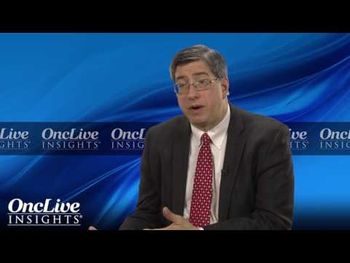
Bijal D. Shah, MD, medical oncology, of Moffit Cancer Center, discusses the status of chimeric antigen receptor (CAR) T-cell therapy in acute lymphoblastic leukemia (ALL).
Daniel J. Landsburg, MD, discusses the management of patients with double-hit lymphoma who have achieved remission.
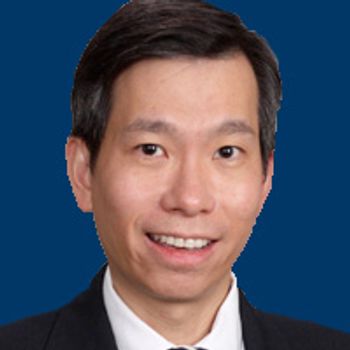
Ronald S. Go, MD, provides perspective on thrombotic microangiopathy and paroxysmal nocturnal hemoglobinuria, including how community physicians can properly diagnose and treat them.

BGB-3111, a second-generation BTK inhibitor, is being tested in patients with refractory B-cell lymphoid malignancies in an effort to determine whether the novel oral small molecule is a viable therapeutic option and to better understand its pharmacologic properties.
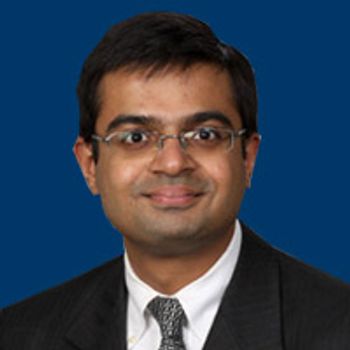
Sameer A. Parikh, MD, discusses how the International Prognostic Index has assisted physicians with their patients who have CLL, the optimal sequencing of therapies, and other emerging molecular targets in this disease.
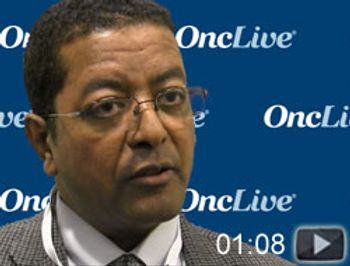
Kebede H. Begna, MD, assistant professor of Medicine, Mayo Clinic, discusses some of the recent advancements in the field of myeloproliferative neoplasms (MPNs).
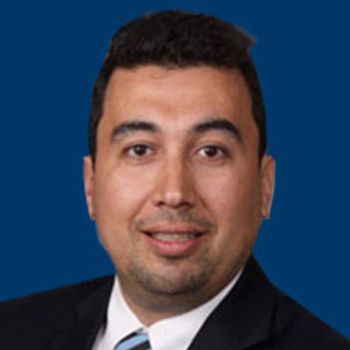
Aref Al-Kali, MD, discusses some of the recent advancements, exciting ongoing trials, and largest unanswered questions in AML.
Results from the phase III SABRINA trial showed that subcutaneous administration of rituximab produced nearly identical response rates and toxicity as IV administration in the first-line treatment of follicular lymphoma.
Ellen K. Ritchie, MD, highlights current and emerging novel treatments, and the possibility of using immunotherapy to treat patients with systemic mastocytosis, advanced symptomatic hypereosinoophic disorder, myelofibrosis, and chronic myelomonocytic leukemia
Advertisement
Advertisement
Trending on OncLive
1
Single-Center, Retrospective Data Show Low Rate of Lifileucel Infusion Following Referral in Advanced Melanoma
2
Long-Term Cilta-Cel Data Show Low Rates of PFS Events in Standard-Risk R/R Myeloma
3
Real-World Data Support Clinical Benefit With Lifileucel in Previously Treated Advanced Melanoma
4
Dr Riedell on the Long-Term Efficacy of Tisa-Cel in R/R Follicular Lymphoma
5