





Hematologic Oncology
Latest News

Advertisement
Latest Videos




CME Content































Advertisement
More News
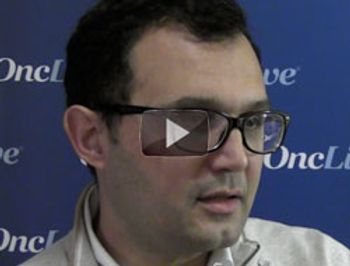
Guillermo Garcia-Manero, MD, chief, Section of Myelodysplastic Syndromes, deputy chair, Translational Research, professor, Department of Leukemia, Division of Cancer Medicine, The University of Texas MD Anderson Cancer Center, discusses deferasirox (Exjade) in iron chelation therapy for patients with myelodysplastic syndromes (MDS).
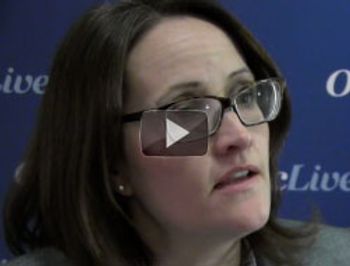
Danielle Townsley, MD, staff clinician, Cell Biology Section, National Institutes of Health, discusses a study which examined screening for GATA2 in patients who are at risk for myelodysplastic syndromes (MDS), aplastic anemia (AA), and acute myeloid leukemia (AML).

A biomarker model that incorporates the mutational status of multiple somatic genes could be used to predict response to hypomethylating agents for patients with myelodysplastic syndromes.

Serum erythropoietin levels and risk by IPSS were predictive of response to erythropoiesis-stimulating agents in patients with myelodysplastic syndromes.
Gail J. Roboz, MD, associate professor of Medicine, director, Leukemia Program, Weill Medical College of Cornell University, New York-Presbyterian Hospital, discusses the growing field of molecular mutations in myelodysplastic syndromes (MDS).
Amer Zeidan, MBBS, MHS, assistant professor of Medicine, Hematology, Yale Cancer Center, discusses a population-based study of subsequent myelodysplastic syndromes (MDS) in prostate cancer patients after radiotherapy.
Stephen D. Nimer, MD, Director, Professor of Medicine, Sylvester Comprehensive Cancer Center discusses the challenges of treating myelodysplastic syndromes (MDS).

Treatment with T-cell depleted transplantation was associated with a lower incidence of acute graft versus host disease (GVHD) and a very low incidence of chronic GVHD compared with unmodified allografts in patients with advanced myelodysplastic syndrome.
Treatment with lenalidomide (Revlimid) versus placebo improved health-related quality of life (HRQoL) after 24 weeks for patients with myelodysplastic syndromes.

Treatment strategies for patients with myelodysplastic syndromes are built upon a foundation of supportive care, which consists of transfusions, iron chelation, and growth factor therapy.
Sara M. Tinsley, MS, PhD, ARNP, AOCN, nurse practitioner, malignant hematology, Moffitt Cancer Center, discusses a study that examined quality of life in patients with high-risk myelodysplastic syndromes (MDS).
Rami S. Komrokji, MD, clinical director, Department of Malignant Hematology, H. Lee Moffitt Cancer Center, discusses a study that examined risk stratification of therapy-related MDS.
HLA-matched allogeneic hematopoietic stem cell transplantation was associated with more than a doubling in 4-year overall survival rates for patients with intermediate-2 or high-risk myelodysplastic syndromes.
Bart L. Scott, assistant member, clinical research division, Fred Hutchinson Cancer Research Center, discusses a new registry that will collect data from patients with MDS.
Guillermo Garcia-Manero, MD, chief, Section of Myelodysplastic Syndromes, deputy chair, Translational Research, professor, Department of Leukemia, Division of Cancer Medicine, The University of Texas MD Anderson Cancer Center, discusses the multikinase inhibitor rigosertib in patients with MDS who have failed hypomethylating agents.

The first-in-class activin receptor antagonist sotatercept stimulated erythropoiesis in nearly half of patients with MDS and non-proliferative CMML following failure on erythropoiesis-stimulating agents.
Interview with Thomas Prebet MD, PhD, in advance of the 2015 International MDS Symposium, on topics related to supportive care in MDS and iron chelation therapy.

To gain further insight into the impact of ibrutinib and idelalisib, as well as other emerging therapies and treatment strategies in CLL, OncLive sat down with Steven Coutre, MD, at the AACR meeting,

The chimeric antigen receptor T-cell therapy JCAR017 elicited a 91% complete remission rate in pediatric patients with relapsed/refractory acute lymphoblastic leukemia.
Single-agent ibrutinib demonstrated an overall response rate of 91%, including a complete response rate of 14%, in patients with chronic lymphocytic leukemia or small lymphocytic lymphoma.

Treatment with the antibody-drug conjugate inotuzumab ozogamicin significantly extended complete hematologic remission rates compared with chemotherapy for adult patients with relapsed or refractory CD22-positive acute lymphoblastic leukemia,

Low vitamin D levels prior to treatment may be linked to risk of relapse or death for patients with follicular lymphoma.

The FDA has granted a priority review to the antibody-drug conjugate brentuximab vedotin as a consolidation therapy following autologous stem cell transplantation in patients with Hodgkin's lymphoma at risk of relapse or progression.

Infusions of Epstein-Barr virus (EBV)–specific cytotoxic T lymphocytes from healthy donors led to high response rates and significant extensions in overall survival for patients with rituximab-refractory EBV–associated lymphoproliferative disorders.
Rami S. Komrokji, MD, clinical director, Hematologic Malignancies, Moffitt Cancer Center, discusses optimizing the management of treatment for myelodysplastic syndrome (MDS).
Advertisement
Advertisement
Trending on OncLive
1
Long-Term Cilta-Cel Data Show Low Rates of PFS Events in Standard-Risk R/R Myeloma
2
Real-World Data Support Clinical Benefit With Lifileucel in Previously Treated Advanced Melanoma
3
FDA Updates Axi-Cel Label to Remove Limitation of Use in R/R PCNSL
4
Dr Riedell on the Long-Term Efficacy of Tisa-Cel in R/R Follicular Lymphoma
5