







Hematologic Oncology
Latest News
Advertisement
Latest Videos






CME Content

































Advertisement
More News
The engineered cord endothelial cell product AB-205 showed an encouraging safety profile along with robust effects in eliminating oral/gastrointestinal severe regimen-related toxicities in patients with systemic lymphoma undergoing high-dose therapy and autologous hematopoietic stem cell transplantation.

The safety and efficacy of the antibody-drug conjugate camidanlumab tesirine is under investigation in patients with relapsed/refractory Hodgkin lymphoma as part of a phase 2 clinical trial, which recently completed accrual.

Axicabtagene ciloleucel elicited a high objective response rate of 85%, with a complete response rate of 74% when used as a first-line therapy in patients with high-risk large B-cell lymphoma.
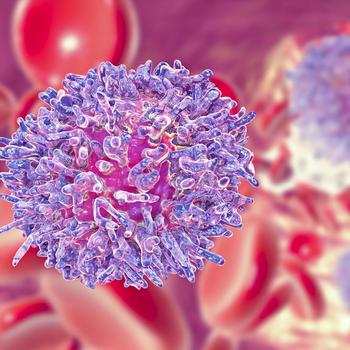
A risk-adapted CD19 CAR T-cell therapy dosing approach allowed pediatric patients with relapsed/refractory acute lymphocytic leukemia to maintain a high rate of remission, while reducing the risk of severe toxicities among those with a high initial disease burden

Sergio A. Giralt, MD, discusses the results of a phase 3 trial comparing omidubicel with standard umbilical cord blood transplant in hematologic malignancies.

Omidubicel was associated with a significantly improved median time to neutrophil engraftment compared with standard umbilical cord blood transplantation in patients with high-risk hematologic malignancies.
An overview of the MAGNIFY data and implications for treating appropriate patients with relapsed/refractory follicular lymphoma with the R2 regimen.
Devimistat, a small molecule that targets enzymes involved in cancer cell metabolism, holds promise for older patients with relapsed or refractory acute myeloid leukemia who typically have a poor prognosis with standard-of-care chemotherapy
Corey S. Cutler, MD, MPH, FRCPC; Adam Bagg, MD; Alexander E. Perl, MD, MS; Eunice S. Wang, MD; and Harry P. Erba, MD, PhD, share closing thoughts and emerging therapies on the horizon for the treatment of AML.
Patient selection for maintenance therapy post-allogeneic transplant in myeloid malignancies and thoughts on treatment of FLT3-mutated disease post-transplant with agents such as midostaurin.
Recommendations for treating patients with relapsed/refractory follicular lymphoma with an available PI3K inhibitor and managing adverse events from treatment.

The FDA has extended the review period for the new drug application for belumosudil for use in patients with chronic graft-versus-host disease to allow for more time to review additional data submitted by the biopharmaceutical company.
Paul G. Richardson, MD; Nina Shah, MD; David Siegel, MD, PhD; and Saad Z. Usmani, MD, provide closing thoughts and key takeaways on multiple myeloma from the 2020 ASH Virtual Meeting and future directions for disease management.
Insights on approaching the sequencing of BCMA-targeted agents and whether antigen loss is considered an issue in RRMM.
Examining non-BCMA BiTE (bispecific T-cell engager) approaches to therapy, such as talquetamab and BFCR4350A, for the treatment of RRMM.

Andre Goy, MD, discusses the efficacy of brexucabtagene autoleucel in patients with relapsed/refractory mantle cell lymphoma, as demonstrated in the phase 2 ZUMA-2 trial.
Sattva Neelapu, MD, discusses the management of toxicities associated with CAR T-cell products in patients with lymphoma.

Kira Gritsman, MD, PhD, discusses the significance of the VIALE-A trial examining venetoclax plus azacitidine in older patients with AML and the emergence of minimal residual disease as an important end point in clinical trials.
Experts discuss clinical trial updates in polycythemia vera, including data from RESPONSE, RESPONSE-2, an international observational study of ruxolitinib, and REVEAL.
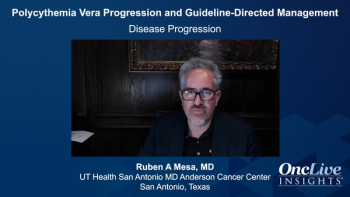
Ruben A. Mesa, MD, highlights signs of disease progression and the utilization of guideline recommendations in the occurrence of a thrombotic event when treating polycythemia vera.

Christopher D'Angelo, MD, discusses emerging CAR T-cell therapies and the challenges with using a 5-drug regimen.
Corey S. Cutler, MD, MPH, FRCPC, discusses the potential clinical implications should belumosudil gain FDA approval in chronic GVHD.
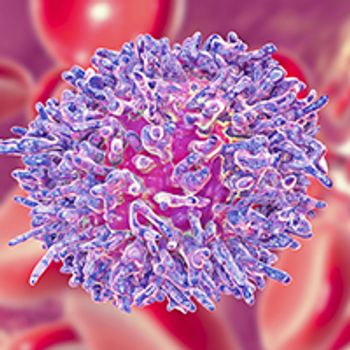
Ibrutinib as a frontline treatment led to sustained efficacy and impressive 4-year progression-free and overall survival rates in patients with chronic lymphocytic leukemia who have TP53 aberrations.
Advertisement
Advertisement
Trending on OncLive
1
Single-Center, Retrospective Data Show Low Rate of Lifileucel Infusion Following Referral in Advanced Melanoma
2
Real-World Data Support Clinical Benefit With Lifileucel in Previously Treated Advanced Melanoma
3
Long-Term Cilta-Cel Data Show Low Rates of PFS Events in Standard-Risk R/R Myeloma
4
Dr Riedell on the Long-Term Efficacy of Tisa-Cel in R/R Follicular Lymphoma
5