


Lung Cancer
Latest News
Advertisement
Latest Videos





CME Content
































Advertisement
More News
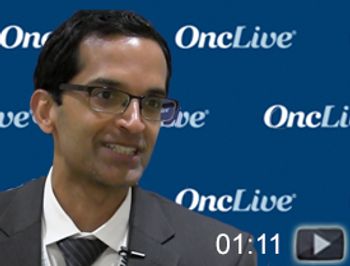
Sagus Sampath, MD, assistant professor, Department of Radiation Oncology, City of Hope, discusses combinations of immunotherapy and radiation for the treatment of patients with non-small cell lung cancer (NSCLC).
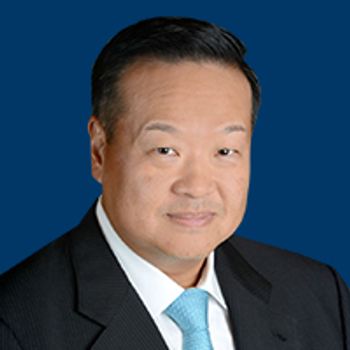
Edward S. Kim, MD, discusses the advancements in lung cancer in 2017, specifically in EGFR- and ALK-positive patients and those with PD-L1 expression.

Findings from the phase III IMpower150 study have placed renewed focus on the optimal role for immunotherapy in the frontline setting for patients with advanced non

The FDA has granted a priority review to a supplemental new drug application for the use of osimertinib as a first-line treatment for patients with non–small cell lung cancer whose tumors harbor EGFR mutations.

John Heinzerling, MD, discusses the impact of durvalumab and other developments in the treatment of patients with stage III non-small cell lung cancer.
David R. Gandara, MD, director, Thoracic Oncology Program, professor, senior advisor to director, UC Davis Comprehensive Cancer Center, discussed the OAK study design for patients with lung cancer.
Ferdinandos Skoulidis, MD, PhD, discusses potential treatment options for KRAS-mutated lung cancer and highlighted developments in biomarker research in other areas in the field.

Checkpoint blockade immunotherapy has been hailed as a significant advance in anticancer treatment. Yet only a subset of patients experience long-term cancer remission as a result of these therapies, because a significant number of those who initially respond eventually develop resistance.
Kathryn Mileham, MD, medical oncologist, Levine Cancer Institute, Carolinas HealthCare System, discusses biomarkers in lung cancer.

Treatment with the combination of atezolizumab, bevacizumab, carboplatin, and paclitaxel delayed progression or death by 38% compared with bevacizumab and chemotherapy alone for patients with advanced non-squamous non–small cell lung cancer.
Vincent K. Lam, MD, discusses the treatment paradigm for patients with ALK/ROS1-translocated NSCLC.
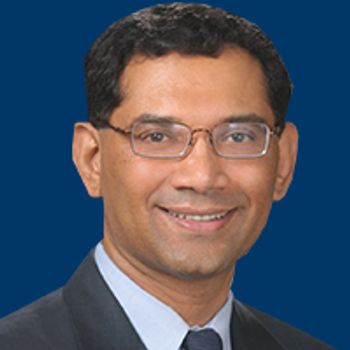
George R. Simon, MD, discusses the advancements being made with immunotherapy for the treatment of NSCLC.
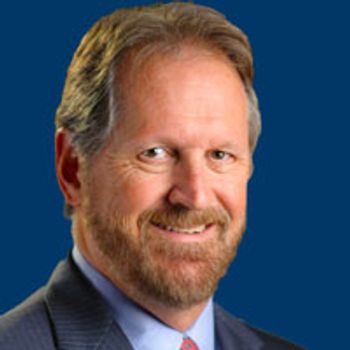
Frank E. Mott, MD, discusses optimal treatment selection strategies for patients with NSCLC.
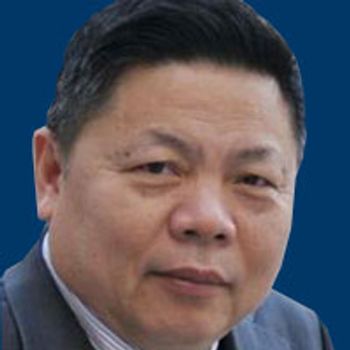
Nivolumab improved survival versus docetaxel in a predominantly Chinese population of patients with pretreated advanced or metastatic non-small cell lung cancer.
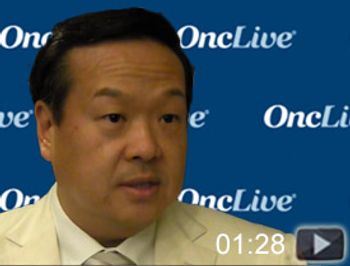
Edward S. Kim, MD, chair, Solid Tumor Oncology and Investigational Therapeutics, Donald S. Kim Distinguished Chair for Cancer Research, Levine Cancer Institute, Carolinas HealthCare System, discusses the importance of biomarker testing in lung cancer.
Justin F. Gainor, MD, assistant professor of medicine, Harvard Medical School, attending physician, Massachusetts General Hospital, discusses the future of treatment for patients with EGFR-positive non-small cell lung cancer.
A sNDA has been submitted to Japan’s Pharmaceuticals and Medical Devices Agency for the use of osimertinib (Tagrisso) as a frontline treatment for patients with inoperable or recurrent EGFR-positive NSCLC.
George R. Blumenschein, MD, discusses the current treatment landscape for patients with squamous cell lung cancer.
Josh H. Heinzerling, MD, Department of Radiation Oncology, Levine Cancer Institute, discusses the development of new treatment regimens for patients with early-stage lung cancer.
The FDA granted a priority review to durvalumab in October for the treatment of patients with stage III, unresectable non-small cell lung cancer whose disease has not progressed following platinum-based chemoradiation.

Raghava R. Induru, MD, medical oncologist, Levine Cancer Institute, discusses other mutations in lung cancer.
New results again demonstrated the benefit of frontline osimertinib in patients with EGFR-positive advanced non-small cell lung cancer and CNS metastases at baseline.

The addition of atezolizumab to bevacizumab, carboplatin, and paclitaxel delayed progression or death compared with bevacizumab and chemotherapy alone for patients with advanced non-squamous non–small cell lung cancer.
Jared Weiss, MD, assistant professor, UNC Lineberger Comprehensive Cancer Center, discusses how and when to biopsy patients for lung cancer.
Josh H. Heinzerling, MD, Department of Radiation Oncology, Levine Cancer Institute, discusses remaining challenges for treating stage III non–small cell lung cancer (NSCLC).
Advertisement
Advertisement
Trending on OncLive
1
Single-Center, Retrospective Data Show Low Rate of Lifileucel Infusion Following Referral in Advanced Melanoma
2
Real-World Data Support Clinical Benefit With Lifileucel in Previously Treated Advanced Melanoma
3
Long-Term Cilta-Cel Data Show Low Rates of PFS Events in Standard-Risk R/R Myeloma
4
Dr Riedell on the Long-Term Efficacy of Tisa-Cel in R/R Follicular Lymphoma
5