




Multiple Myeloma
Latest News
Advertisement
Latest Videos




CME Content































Advertisement
More News
Sarah M. Larson, MD, discusses potentially practice-changing studies for patients with transplant-eligible and -ineligible multiple myeloma.

Amrita Krishnan, MD, highlights recent research in relapsed/refractory multiple myeloma.
We traveled to New York City, New York, for a State of the Science Summit™ on Multiple Myeloma, which featured insights from the faculty from the Mount Sinai Hospital.

Michael A. Rosenzweig, MD, MS, discusses changes in the frontline setting of multiple myeloma.

Phillippe Moreau, MD, head, Hematology Department, university professor of clinical hematology, University Hospital of Nantes, France, discusses the phase III CASSIOPEIA trial in transplant-eligible multiple myeloma.

Samir Parekh, MBBS, highlights ongoing research regarding personalized medicine for multiple myeloma.

Hearn Jay Cho, MD, PhD, provides background on these novel approaches, while highlighting exciting trials to look for in the future.

Sundar Jagannath, MD, highlights the current state of the relapsed/refractory multiple myeloma paradigm and research regarding next steps for advancing treatment.

The European Commission has approved elotuzumab for use in combination with pomalidomide and low-dose dexamethasone for the treatment of patients with relapsed/refractory multiple myeloma following 2 or more prior therapies, including lenalidomide and a proteasome inhibitor.
Andrew J. Cowan, MD, an assistant professor of medicine at University of Washington School of Medicine, and hematologist/oncologist at Seattle Cancer Care Alliance, discusses the future of selinexor (Xpovio) in multiple myeloma.

The Japanese Ministry of Health, Labor and Welfare has approved daratumumab for use in combination with bortezomib, melphalan, and prednisone for the treatment of adult patients with newly diagnosed multiple myeloma who are ineligible for autologous stem cell transplant.
Selinexor in combination with twice-weekly dexamethasone led to a median overall survival of 15.6 months in patients with heavily pretreated multiple myeloma who had a minimal response or better to the novel agent compared with 1.7 months in those whose disease progressed or had unevaluable responses.

Data from several clinical trials support treatment with lenalidomide (Revlimid) plus low-dose dexamethasone in select patients with high-risk smoldering multiple myeloma to prevent disease progression and other promising combinations under investigation are showing curative potential.

The emergence of monoclonal antibodies, immunomodulatory agents, immunotoxins, bispecific T-cell engagers, and CAR T-cell therapies will redefine multiple myeloma treatment. However, these new approaches, by themselves, are not enough to achieve cure; they must be used in combination.

Cesar Rodriguez Valdes, MD, assistant professor of Hematology and Oncology, Wake Forest University Comprehensive Cancer Center, highlights the evolving role of small molecules in multiple myeloma.

Peter Voorhees, MD, discusses the recent data with triplet regimens in late relapsed multiple myeloma and other novel agents shaking up the paradigm.

The goal of induction regimens for patients with newly diagnosed multiple myeloma is to reduce the burden of disease and prolong durability of response and overall survival, while minimizing toxicity.
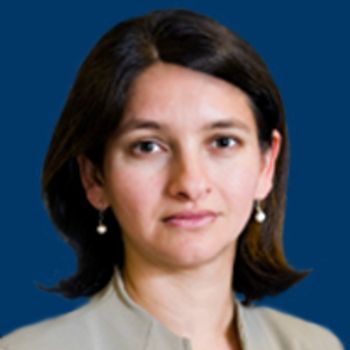
Noopur Raje, MD, highlights the multitude of available and emerging options in relapsed myeloma, as well as the key factors for treatment selection in this heterogeneous population.
Ajai Chari, MD, associate professor, hematology and medical oncology, Mount Sinai Hospital, discusses the use of frontline daratumumab (Darzalex) in transplant-eligible patients with multiple myeloma.

OncLive interviewed experts at the State of the Science Summits in July 2019 on highly anticipated clinical trial results across tumor types.
Cristina Gasparetto, MD, an associate professor of medicine, Duke University Medical Center, and director, Multiple Myeloma Program at Duke Cancer Institute, discusses key trials in relapsed/refractory multiple myeloma.
Advertisement
Advertisement
Trending on OncLive
1
Long-Term Cilta-Cel Data Show Low Rates of PFS Events in Standard-Risk R/R Myeloma
2
FDA Updates Axi-Cel Label to Remove Limitation of Use in R/R PCNSL
3
Real-World Data Support Clinical Benefit With Lifileucel in Previously Treated Advanced Melanoma
4
Single-Center, Retrospective Data Show Low Rate of Lifileucel Infusion Following Referral in Advanced Melanoma
5