

Non-Hodgkin Lymphoma
Latest News

Liso-cel Approaches EU Approval for Relapsed/Refractory DLBCL, PMBCL, and Follicular Lymphoma Grade 3B
By Kristi Rosa

Zanubrutinib sNDA for Waldenström Macroglobulinemia Accepted in China
By Kristi Rosa
Advertisement
Latest Videos
CME Content

































Advertisement
More News

The FDA has granted a regenerative medicine advanced therapy designation and a fast track designation to C-CAR039 for use as a potential therapeutic option in patients with relapsed or refractory diffuse large B-cell lymphoma.

John M. Burke, MD, highlights the benefits derived with polatuzumab vedotin plus R-CHP and projects the next steps for the regimen.
Tatyana Feldman, discusses the efficacy of adding etoposide to brentuximab vedotin followed by brentuximab vedotin consolidation in patients with newly diagnosed, CD30-expressing peripheral T-cell lymphomas.
Andre H. Goy, MD, discusses the clinical data reported with axicabtagene ciloleucel in patients with relapsed or refractory indolent non-Hodgkin lymphoma and real-world findings with brexucabtagene autoleucel in mantle cell lymphoma.
Lori A. Leslie, MD, discusses results from the primary analysis of the phase 3 ZUMA‑7 trial, which evaluated axicabtagene ciloleucel vs standard‑of‑care therapy in patients with relapsed or refractory large B-cell lymphoma.
Guenther Koehne, MD, PhD, discusses the real-life study of CAR T-cell agents axicabtagene ciloleucel vs tisagenlecleucel in patients with relapsed or refractory diffuse large B-cell lymphoma.
A new drug application seeking the approval of valemetostat tosylate for use in the treatment of patients with relapsed/refractory adult T-cell leukemia/lymphoma has been submitted to the Japanese Ministry of Health, Labour, and Welfare.

Zandelisib demonstrated significant activity and an encouraging preliminary safety profile in patients with relapsed/refractory follicular lymphoma who have received at least 2 prior systemic therapies.

Parsaclisib, an investigational highly selective phosphatidylinositol 3-kinase δ inhibitor, demonstrated rapid and durable responses as monotherapy with an acceptable safety profile in patients with relapsed/refractory follicular lymphoma in the phase 2 CITADEL-203 study.

Patients with relapsed or refractory large B-cell lymphoma experienced better quality of life when they received second-line treatment with lisocabtagene maraleucel vs standard of care.
The addition of tafasitamab and lenalidomide to rituximab, cyclophosphamide, doxorubicin, and prednisone demonstrated increased but generally comparable adverse effects and higher, prolonged, and deeper responses vs the combination of tafasitamab and R-CHOP alone in patients with previously untreated diffuse large B-cell lymphoma.

YTB323, a novel, autologous CD19-directed CAR-T cell therapy, displayed a favorable safety profile and efficacy across multiple dose levels in adult patients with relapsed/refractory diffuse large b-cell lymphoma.

Frontline treatment with axicabtagene ciloleucel demonstrated rapid and durable responses in patients with high-risk large B-cell lymphoma.

The addition of polatuzumab vedotin-piiq to R-CHP led to a 27% reduction in the risk of progression or death vs R-CHOP in patients with previously untreated, intermediate- and high-risk diffuse large B-cell lymphoma.
As second-line treatment, tisagenlecleucel failed to demonstrate an event-free survival advantage compared with standard of care platinum-based chemotherapy followed by autologous stem cell transplant or additional chemotherapy in patients with relapsed/refractory aggressive B-cell non-Hodgkin lymphoma.

Treatment with lisocabtagene maraleucel demonstrated durable responses in patients with relapsed/refractory large B-cell lymphomas.
Naratuximab emtansine plus rituximab had promising response rates while also improving patient well-being when used to treat diffuse relapsed/refractory large B-cell lymphoma and other non-Hodgkin B-cell lymphomas.
Tisagenlecleucel demonstrated encouraging real-world efficacy and a favorable safety profile that was consistent with findings from the pivotal phase 2 JULIET trial in patients with relapsed/refractory diffuse large B-cell lymphoma or high-grade B-cell lymphoma.

The combination of tafasitamab and lenalidomide prolonged median overall survival compared with other standard options for autologous stem cell transplant-ineligible patients with relapsed/refractory diffuse large B-cell lymphoma.
Sattva S. Neelapu, MD, discusses the long-term follow-up analysis of the phase 2 ZUMA-5 trial with axicabtagene ciloleucel in patients with relapsed/refractory indolent non-Hodgkin lymphoma.
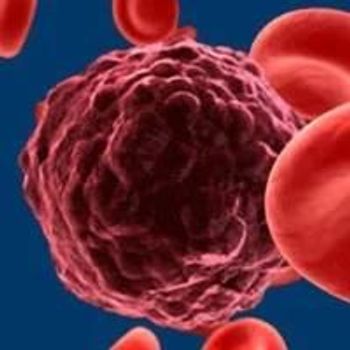
Tisagenlecleucel produced a high overall response rate and complete response rate in adult patients with relapsed/refractory follicular lymphoma who had received 2 or more prior lines of therapy, according to results from an extended follow-up analysis of patients with at least 12 months of follow-up of the phase 2 ELARA trial.

Axicabtagene ciloleucel induced high response rates and improved survival in patients with relapsed/refractory follicular lymphoma or marginal zone lymphoma, according to updated data from the phase 2 ZUMA-5 trial.
Fixed-duration treatment with the bispecific antibody mosunetuzumab induced deep and durable responses with favorable tolerability in heavily pretreated patients with relapsed or refractory follicular lymphoma, meeting the primary end point of the ongoing phase 1/2b GO29781 trial.

Lisocabtagene maraleucel demonstrated statistically and clinically meaningful improvement in event-free survival compared with the standard of care as a second-line therapy in patients with relapsed or refractory large B-cell lymphoma.

Two new studies by Yale Cancer Center reveal the structure of the molecule known as anaplastic lymphoma kinase, which is a driver of several cancers, including pediatric neuroblastoma, B-cell lymphomas, and myofibroblast tumors.
Advertisement
Advertisement
Trending on OncLive
1
Single-Center, Retrospective Data Show Low Rate of Lifileucel Infusion Following Referral in Advanced Melanoma
2
Long-Term Cilta-Cel Data Show Low Rates of PFS Events in Standard-Risk R/R Myeloma
3
Real-World Data Support Clinical Benefit With Lifileucel in Previously Treated Advanced Melanoma
4
Dr Riedell on the Long-Term Efficacy of Tisa-Cel in R/R Follicular Lymphoma
5