







Prostate Cancer
Latest News
Advertisement
Latest Videos









CME Content

































Advertisement
More News

The novel targeted radiation therapy lutetium-177 PSMA-617 showed strong clinical activity and the potential to improve survival in heavily pretreated men with PSMA-positive metastatic castration-resistant prostate cancer.
Walter Rayford, MD, PhD, MBA, a urologic oncologist with the Urology Group and associate professor of medicine at the University of Tennessee West Cancer Center, discusses ways to improve stratification of patients with prostate cancer.
Advocates for sipuleucel-T point out that the public has become more aware of and interested in immunotherapy now, and they believe the product has the potential to benefit a larger group of patients.

Holger L. Gieschen, MD, assistant professor, University of Tennessee Health Science Center, radiation oncologist, West Cancer Center, discusses standard approaches to radiation therapy in prostate cancer.

Jay H. Fowke, PhD, MPH, MS, chief, Division of Epidemiology, professor of preventive medicine, University of Tennessee Health Science Center, discusses factors that can lead to disparity in access to prostate cancer therapy.

Earle Burgess, MD, associate professor of medicine, Levine Cancer Institute, Atrium Health, discusses the importance of understanding the molecular subtypes of prostate cancer.
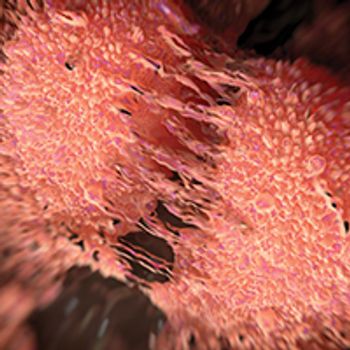
Apalutamide (Erleada) in combination with androgen deprivation therapy was found to significantly improve radiographic progression-free survival and overall survival versus placebo in patients with metastatic castration-sensitive prostate cancer.

Tanya B. Dorff, MD, discusses landmark approvals in nonmetastatic castration-resistant prostate cancer and anticipated developments in the space.
Tanya B. Dorff, MD, associate clinical professor, Department of Medical Oncology and Therapeutics Research, head, Genitourinary Cancers Program, City of Hope, discusses choosing between therapies in nonmetastatic castration-resistant prostate cancer.

Walter Rayford, MD, PhD, MBA, a urologic oncologist with the Urology Group and associate professor of medicine at the University of Tennessee West Cancer Center, discusses a study aiming to refine racial risk stratification in prostate cancer.

Evan Y. Yu, MD, discusses the available options for patients with metastatic castration-naïve prostate cancer.

Harsha Ranganath, MD, discusses the current and future treatment of patients with nonmetastatic castration-resistant prostate cancer.

Holger L. Gieschen, MD, discusses the role of radiation therapy in prostate cancer and ongoing efforts to further refine this strategy.

An analysis of prostate cancer trends adjusted for delays in reporting by stage of disease showed that incidence of late-stage disease increased from 2010 to 2014 after a decline in prostate-specific antigen use.

Daniel Vaena, MD, discusses the treatment of patients with metastatic castration-naïve disease and nonmetastatic castration-resistant prostate cancer, underscoring the importance of risk stratification in both settings.

Josep Piulats, MD, discussed the TRITON2 data and how rucaparib could shift treatment for these biomarker-specific patients with metastatic castration-resistant prostate cancer.

Chris Parker, MD, discusses the clinical implications of STAMPEDE and how radiotherapy fits into the treatment paradigm for these patients.

Chris Parker, MD, consultant clinical oncologist, The Royal Marsden NHS Foundation Trust, discusses the role of radiotherapy in patients with metastatic prostate cancer.

Walter Rayford, MD, PhD, MBA, discusses a race-based study in prostate cancer and how these results can drive treatment and diagnostic strategies.

Enzalutamide plus androgen deprivation therapy (ADT) significantly improved radiographic progression-free survival compared with ADT alone.

Michael J. Morris, MD, medical oncologist, clinical director, Genitourinary Medical Oncology Service, Division of Solid Tumor Oncology at Memorial Sloan Kettering Cancer Center, discusses biomarkers in prostate cancer.

Holger L. Gieschen, MD, assistant professor, Department of Radiology, the University of Tennessee Health Science Center, radiation oncologist, West Cancer Center, discusses patient selection for radiation in the treatment of prostate cancer.

Benjamin L. Maughan, MD, PharmD, discusses the activity of the combination of radium-223 and enzalutamide in patients with metastatic castration-resistant prostate cancer.

Historically, the management of localized prostate cancer has centered on removal or ablation of the entire gland with either extirpative surgery or radiation. However, the subsequent unacceptable adverse events profile can be devastating and life altering for many patients.

Scott T. Tagawa, MD, MS, discusses the clinical significance of recent clinical trial data in patients with nonmetastatic prostate cancer.
Advertisement
Advertisement
Trending on OncLive
1
Single-Center, Retrospective Data Show Low Rate of Lifileucel Infusion Following Referral in Advanced Melanoma
2
Real-World Data Support Clinical Benefit With Lifileucel in Previously Treated Advanced Melanoma
3
Long-Term Cilta-Cel Data Show Low Rates of PFS Events in Standard-Risk R/R Myeloma
4
Dr Riedell on the Long-Term Efficacy of Tisa-Cel in R/R Follicular Lymphoma
5