


Latest Conference Articles

Bemarituzumab combined with mFOLFOX6 demonstrated a 56% reduction in the risk of disease progression or death compared with placebo and mFOLFOX6 as a frontline treatment in select patients with FGFR2b-positive advanced gastric or gastroesophageal junction adenocarcinoma.
Advertisement

The combination of the anti-angiogenic multikinase inhibitor lenvatinib plus the anti-PD-1 antibody pembrolizumab demonstrated promising antitumor activity and a manageable safety profile in previously treated patients with advanced gastric cancer, advanced metastatic microsatellite instability-high or mismatch repair colorectal cancer, and advanced biliary tract cancers

January 15, 2021 - As the incidence of colorectal cancer in patients under 50-years-old increases, overall health-related quality of life among younger survivors is poorer, with social and functional well-being suffering more as treatment duration grows longer.

Neoadjuvant chemotherapy regimens were not found to increase the risk for perioperative complications in patients who have potentially resectable advanced thoracic esophageal cancer.

Satya Das, MD, MSCI, discusses the results of a clinical score analysis in patients with neuroendocrine tumors.
Advertisement

John H. Strickler, MD, discusses the rationale for the phase 2/3 MOUNTAINEER-02 trial in HER2-positive gastric/gastroesophageal junction cancer.

January 15, 2021 - Combination treatment with adjuvant S-1 and docetaxel led to an estimated 29% reduction in the risk of relapse compared with S-1 alone in patients with stage III gastric cancer.

January 15, 2021 - Anlotinib, a multitarget kinase inhibitor, was found to significantly improve progression-free survival with a manageable safety profile when used in Chinese patients with refractory metastatic colorectal cancer.

January 15, 2021 - One-year overall survival was found increased the longer that patients with metastatic pancreatic ductal adenocarcinoma remained on treatment with liposomal irinotecan plus 5-fluorouracil/leucovorin.

January 15, 2021 - Pembrolizumab with trastuzumab and the combination of cisplatin and capecitabine appeared effective in treating HER2-positive advanced gastric and gastroesophageal junction cancer, regardless of a patient’s PD-L1 status.

January 15, 2021 - Patients with esophageal/gastroesophageal cancer treated with nivolumab had improved esophageal-specific and general quality of life, although trends were similar in those treated with placebo.
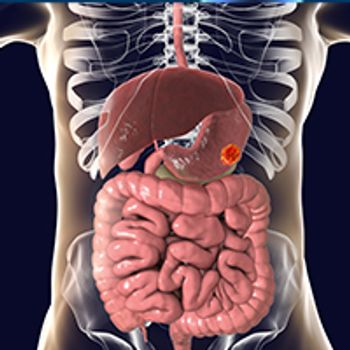
January 15, 2021 - A novel combination comprised of camrelizumab and apatinib was found to have promising clinical efficacy with an acceptable safety profile when used as a second-line treatment in patients with esophageal squamous cell carcinoma.

January 15, 2021 - Pembrolizumab plus lanreotide elicited a stable disease rate of 39% in patients with advanced, progressive gastroenteropancreatic neuroendocrine tumors (GEP-NETs), according to findings from the phase 1b/2 PLANET study.

January 15, 2021 - A novel artificial intelligence-based search tool made it easier for patients to find and understand cancer clinical trials, while also offering more clarity on how to enroll in them

January 15, 2021 - Findings from an analysis determined that stage 4 gastrointestinal stromal tumors were rare and led to hepatic metastases, although overall survival was up to 51% at 5 years.

January 15, 2021 - Pembrolizumab (Keytruda) in combination with capecitabine and bevacizumab (Avastin) was found to show encouraging tolerability when used in patients with microsatellite stable (MSS) metastatic colorectal cancer (mCRC), according to data from a phase 2 trial (NCT03396926) presented during the 2020 Gastrointestinal Cancers Symposium.

The emergence of checkpoint inhibitors has transformed the second-line treatment of patients with metastatic bladder cancer. However, questions regarding the utility of immunotherapy in the frontline setting remain unanswered, leaving chemotherapy as the standard-of-care option.

Joshua Brody, MD, discusses the role of immunotherapy in Hodgkin lymphoma.

Jeffrey S. Weber, MD, PhD, discusses the toxicities associated with immunotherapy in lung cancer.

Checkpoint inhibitors have failed to improve progression-free survival and overall survival as second-line therapy and maintenance therapy in small cell lung cancer, but this class of agents continue to show encouraging activity worthy of a paradigm shift up front.

Mario Sznol, MD, discusses the critical importance of being aware of the immune-related toxicities that could arise when treating patients with cancer, along with the best ways to manage them.

December 14, 2020 - The combination of neratinib and capecitabine showed a 34% reduction in the risk of disease progression or death compared with lapatinib and capecitabine in patients with HER2-positive breast cancer who had central nervous system metastases at baseline.

Erika P. Hamilton, MD, discusses the mechanism of action of OP-1250 in patients with hormone receptor–positive, HER2-negative metastatic breast cancer.

Nadia Harbeck, MD, PhD, discusses Ki-67 as a biomarker for identifying patients with high-risk early breast cancer who received treatment on the monarchE trial.

December 11, 2020 - Tucatinib in combination with trastuzumab and capecitabine significantly prolonged the time to deterioration of health-related quality of life in patients with HER2- positive metastatic breast cancer with brain metastases.

December 11, 2020 - The addition of 1 year of palbociclib to endocrine therapy failed to improve invasive disease-free survival in patients with hormone receptor–positive, HER2-negative breast cancer who are at high risk of relapse following neoadjuvant chemotherapy.

The clinical tool RSClin™, which integrates the 21-gene expression assay and clinical pathologic features, was shown to provide more prognostic information than the 21-gene recurrence score or clinical pathologic features alone and a more precise prediction of absolute chemotherapy benefit in node-negative early breast cancer.

December 11, 2020 - Gastrointestinal adverse events that occurred in patients with metastatic breast cancer who were treated with oral paclitaxel and encequidar can be managed by the use of 5- HT3 inhibitors and early intervention with loperamide.
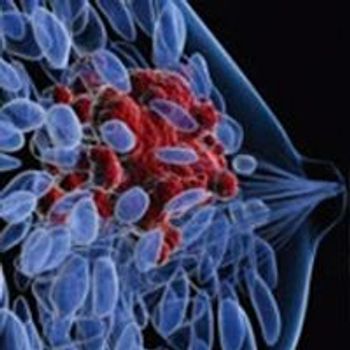
December 11, 2020 - Sacituzumab govitecan increased response rates and improved progression-free survival vs chemotherapy in patients with metastatic triple-negative breast cancer with stable brain metastases, although no overall survival improvement was observed.
Advertisement
Advertisement
Trending on OncLive
1
Single-Center, Retrospective Data Show Low Rate of Lifileucel Infusion Following Referral in Advanced Melanoma
2
Real-World Data Support Clinical Benefit With Lifileucel in Previously Treated Advanced Melanoma
3
Long-Term Cilta-Cel Data Show Low Rates of PFS Events in Standard-Risk R/R Myeloma
4
Dr Riedell on the Long-Term Efficacy of Tisa-Cel in R/R Follicular Lymphoma
5