
Grant McArthur, PhD, discusses significant results from the final analysis of the coBRIM trial, which evaluated the 5-year survival data of cobimetinib plus vemurafenib in patients with BRAF V600-mutated advanced melanoma.

Your AI-Trained Oncology Knowledge Connection!
Grant McArthur, PhD, discusses significant results from the final analysis of the coBRIM trial, which evaluated the 5-year survival data of cobimetinib plus vemurafenib in patients with BRAF V600-mutated advanced melanoma.
Talimogene laherparepvec (T-VEC; Imlygic) prior to surgery was associated with improved recurrence-free survival and overall survival compared with surgery alone in patients with resectable advanced melanoma.
Ryan J. Sullivan, MD, discusses the significance of the BRAF/MEK combination dabrafenib and trametinib, which was the first BRAF/MEK inhibitor regimen to be approved by the FDA for the treatment of patients with BRAF V600E–positive stage III melanoma following complete resection.
Adil Daud, MD, discusses the role of dabrafenib plus trametinib in patients with advanced melanoma and highlighted other combinations under investigation.

The combination of nivolumab (Opdivo) and ipilimumab (Yervoy) showed a sustained survival benefit compared with nivolumab or ipilimumab alone, according to 5-year follow-up results.
Gaudenz Danuser, PhD, discusses how the activation of RacP29S impacts the treatment of patients with melanoma. His lab has been studying the Rac molecule for around 20 years. The RacP29S mutation most commonly appears in melanoma, but it has since been discovered in a few other cancer types as well.
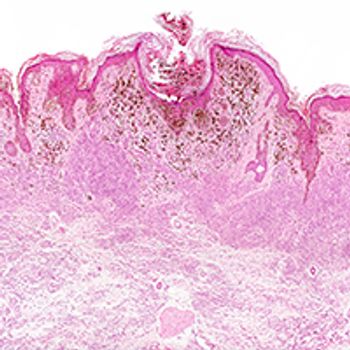
Combining a BRAF inhibitor with a MEK inhibitor causes endoplasmic reticulum stress in BRAF wild-type, NRAS­-mutated melanoma cells, resulting in significant antitumor activity.
David F. Penson, MD, MPH, MMHC, discusses treatment selection in patients with metastatic hormone-sensitive prostate cancer.
Allison Betof Warner, MD, PhD, discusses the excitement surrounding the findings from the COMBI-i trial that was presented at the 2019 ASCO Annual Meeting. This trial investigated the combination of PD-1 inhibitor spartalizumab with dabrafenib plus trametinib in patients with advanced BRAF V6000mutant melanoma.
Alexander N. Shoushtari, MD, discusses the significance of the findings from the first-in-human trial evaluating tebentafusp, a TCR–CD3 bispecific, in patients with advanced melanoma.
Sam S. Chang, MD, MBA, discusses the shift toward personalized therapy in prostate cancer.
David Morris, MD, FACS, provides an update on the 3 newest agents available for nonmetastatic castration-resistant prostate cancer treatment and discussed factors to consider when choosing among them.
Taofeek K. Owonikoko, MD, PhD, discusses current standard of care treatments for patients with small cell lung cancer.
Karen Kelly, MD, discusses how to determine treatment after patients with lung cancer progress on TKIs.
Suresh S. Ramalingam, MD, FASCO, highlights current and emerging therapies for 6 key actionable driver mutations in non–small cell lung cancer.
Hossein Borghaei, DO, MS, discusses the search for biomarkers in lung cancer.
Balazs Halmos, MD, MS, discusses actionable biomarkers in patients with oncogene-driven non–small cell lung cancer.
Fred R. Hirsch, MD, PhD, discusses the expansion of molecular testing in lung cancer.
Plasma genotyping is the next big thing in non–small cell lung cancer, and it's already impacting clinical practice.
Zofia Piotrowska, MD, MHS, discusses the role of osimertinib in treating patients with EGFR-mutant non–small cell lung cancer and how it compares with other therapeutic options in that space.
Suresh S. Ramalingam, MD, FASCO, discusses updated data from the FLAURA trial in EGFR-mutant non–small cell lung cancer.
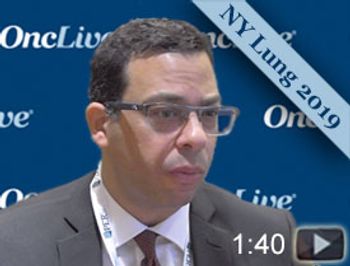
Nasser H. Hanna, MD, discusses challenges in consolation immunotherapy for patients with lung cancer.
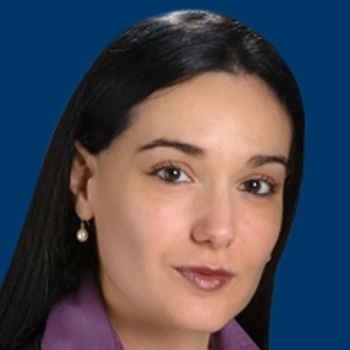
Neoadjuvant immunotherapy can offer promise to patients with resectable non–small cell lung cancer, but further investigation is required for optimal use, Tina Cascone, MD, PhD, said in a presentation during the 14th Annual New York Lung Cancers Symposium®.
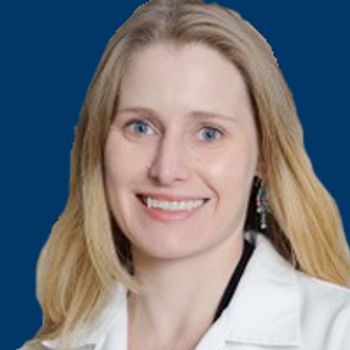
Based on efficacy, tolerability, and practicality, neoadjuvant therapy in lung cancer offers significant advantages over adjuvant treatment, said Jamie E. Chaft, MD, in a presentation during the 14th Annual New York Lung Cancers Symposium®. However, she added, adjuvant treatment predominantly remains the standard of care at many cancer centers, she said.
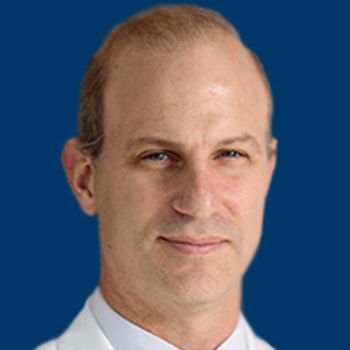
Benjamin P. Levy, MD, discusses therapeutic strategies for patients with oncogenic-driven and nondriver non–small cell lung cancer.
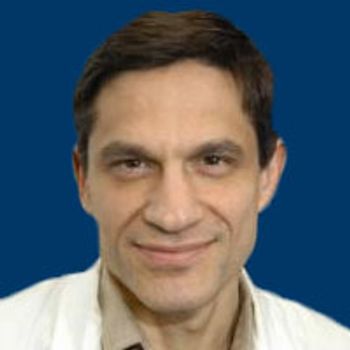
Robert J. Kreitman, MD, discusses the role of minimal residual disease (MRD) status in hairy cell leukemia, how to effectively test for MRD, and how the combination of moxetumomab pasudotox and rituximab could alter the treatment landscape.
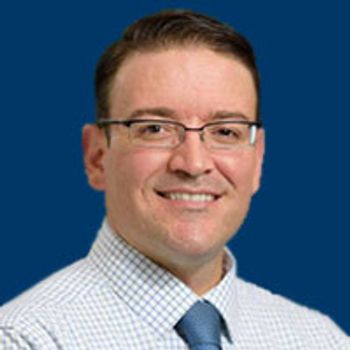
The standard of care for the frontline treatment of patients with hairy cell leukemia has been purine nucleoside analogs, including pentostatin and cladribine; however, investigators are challenging this treatment in a phase II clinical trial with a targeted therapy that may provide similar benefit with fewer toxicities.

Agnieszka Janus, MD, PhD, shares perspective on three cases of patients with HCL who were given vemurafenib after having progressed on multiple lines of treatment.
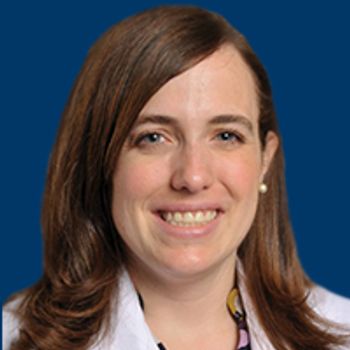
Kerry Rogers, MD, discusses the potential of ibrutinib (Imbruvica) in hairy cell leukemia, emerging treatment options such as moxetumomab pasudotox (Lumoxiti), and next steps and challenges in the field.
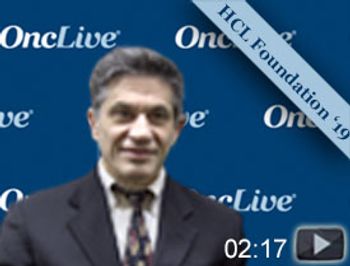
Robert J. Kreitman, MD, discusses the association between minimal residual disease-negativity and complete remission durations in patients with hairy cell leukemia treated with moxetumomab pasudotox.