
177Lu-PNT2002 improved radiographic progression-free survival in PSMA-positive mCRPC after progression on an ARPI.

Your AI-Trained Oncology Knowledge Connection!
177Lu-PNT2002 improved radiographic progression-free survival in PSMA-positive mCRPC after progression on an ARPI.
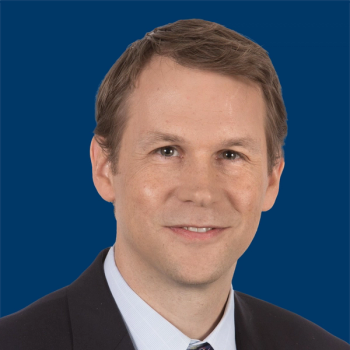
John H. Strickler, MD, discusses treatment with telisotuzumab adizutecan for CRC as well as this ADC’s potential to broaden the CRC treatment paradigm.
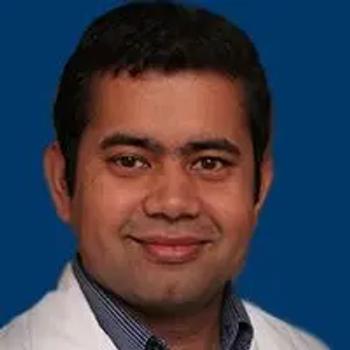
Binod Dhakal, MD, MS, discusses updated survival data from the CARTITUDE-4 trial of cilta-cel in pretreated, lenalidomide-refractory multiple myeloma.
Routine screening revealed high financial toxicity and unmet social needs among adolescent and young adults with cancer.
The European Commission has approved daratumumab plus bortezomib, lenalidomide, and dexamethasone in ASCT-eligible, newly diagnosed multiple myeloma.
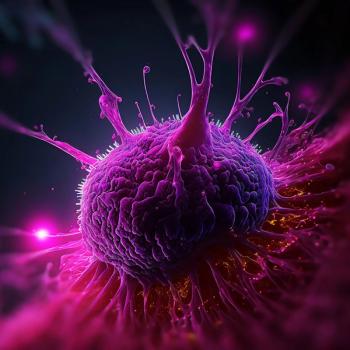
Fadraciclib was safe and showed signs of efficacy in advanced solid tumors harboring CDKN2A/B alterations.
Noman Ashraf, MD, discusses data with T-DXd in HER2-mutated and -overexpressing lung cancer populations and next steps with ADC combination therapies.
Many early-career clinicians are not familiarized with clinical trials during their training, so the opportunity to educate future trialists is hindered.
Oncologists detail how zelenectide pevedotin, which is under evaluation in the Duravelo-2 trial, could fill an unmet need in metastatic urothelial carcinoma.
Treatment with the BTK degrader NX-5948 led to responses in patients with relapsed/refractory Waldenström macroglobulinemia.
The FDA has approved the Ventana CLDN18 (43-14A) RxDx Assay as a companion diagnostic for zolbetuximab in CLDN18.2-positive gastric/GEJ cancer.
Jorge Cortes, MD, discusses findings with bosutinib in CML and the importance of dose adjustment as a strategy for managing bosutinib-related AEs.
Acalabrutinib plus venetoclax and rituximab generated a 100% response rate in treatment-naive mantle cell lymphoma.
ONCT-534 reduced prostate-specific antigen levels in patients with relapsed/refractory metastatic castration-resistant prostate cancer.
The addition of TG4001 to avelumab failed to improve progression-free survival in HPV16-positive cervical and anogenital tumors.

Pain management specialists are rarely consulted to help assess pain in patients with cancer, leading oncologists to often prescribe narcotics.
Samuel A. Kareff, MD, MPH, shares his reflections on the benefits, challenges, and critical elements of effective mentorship in hematology/oncology.

David C. Fisher, MD, discusses the evolving role of BTK inhibitors in the CLL treatment paradigm.
John H. Strickler, MD, highlights the mechanism of action of telisotuzumab adizutecan and the rationale for targeting c-Met in colorectal cancer.
For more first-hand insights, head over to our YouTube channel to watch Dr Markman discuss the inner workings of oncology: https://rb.gy/bvumdn.
The European Medicines Agency has recommended extended authorization for frontline tislelizumab plus chemotherapy for GEJ adenocarcinoma and ESCC.
The FDA has accepted the new drug application resubmission for the first-line combination of rivoceranib plus camrelizumab in unresectable HCC.
The Ion Torrent Oncomine Dx Target Test received regulatory approval as a companion diagnostic to identify patients who are eligible for vorasidenib.
Research from Fox Chase Cancer Center has shown that the gene TREX1 is linked to small cell lung cancer.
Faculty at Washington University School of Medicine in St. Louis have designed a clinical trial development fellowship education program.
Jorge Cortes, MD, inaugural editor-in-chief of Blood Global Hematology, details what type of research the new journal will highlight and its importance.
Oncology fellows with aspirations of entering the lung cancer field gathered in Chicago, Illinois, to share findings from their research, network, and participate in panel discussions featuring expert faculty
Zolbetuximab wins approval for CLDN18.2-positive gastric/GEJ cancer, TTFields joins the NSCLC armamentarium, and more of this week's top news in oncology.
Jerome D. Winegarden, MD, discusses the importance of recruiting international students to such programs.
Alan Tan, MD, discusses the nuances of navigating combination regimens for patients with advanced renal cell carcinoma.