
The FDA has granted fast track designation to CT-0525 for the treatment of patients with HER2-overexpressing solid tumors.

Your AI-Trained Oncology Knowledge Connection!
The FDA has granted fast track designation to CT-0525 for the treatment of patients with HER2-overexpressing solid tumors.
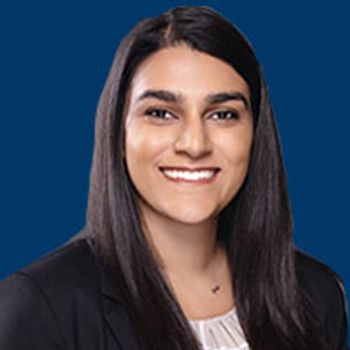

Ciara Kelly, MBBCh, BAO, discusses ongoing GIST research for GIST Awareness Day.
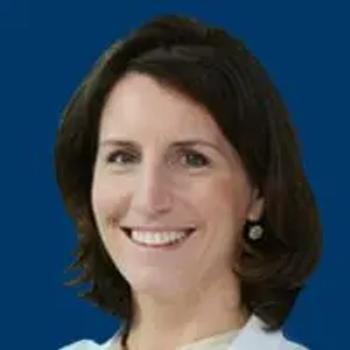
Belzutifan generated superior efficacy and safety outcomes vs everolimus across prespecified subgroups of patients with previously treated advanced ccRCC.

Treatment with single-agent abemaciclib (Verzenio) did not demonstrate clinically meaningful activity in heavily treated patients with metastatic clear cell renal cell carcinoma.

Fianlimab plus cemiplimab produced durable responses in heavily pretreated advanced clear cell renal cell carcinoma.
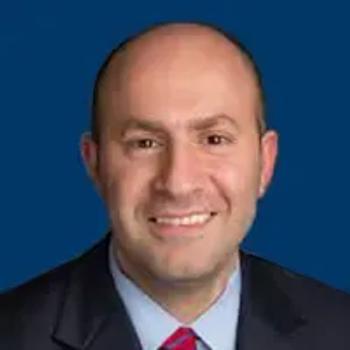
Most patients included in the post-hoc pooled analysis who were treated with belzutifan experienced an all-cause adverse effect.

Laurence Albiges, MD, PhD, discusses research evaluating treatments for subtypes of non–clear cell renal cell carcinoma.

Real-world treatment patterns demonstrated that similar OS outcomes occurred for patients with renal cell carcinoma who received TKI- and immunotherapy-based regimens.
Health Canada has approved osimertinib/chemotherapy for advanced non–small cell lung cancer harboring EGFR exon 19 deletions or exon 21 L858R mutations.

Grzegorz S. Nowakowski, MD, discusses the accelerated approval of epcoritamab in follicular lymphoma, touching on key trial data and remaining unmet needs.

The HHS competition evaluated the effectiveness of Ochsner Connected MOM in increasing blood pressure monitoring during pregnancy and the postpartum period.

As the lung cancer paradigm continues to advance, increasingly effective therapies are under development for previously underserved disease subtypes.
Toni K. Choueiri, MD, discusses the phase 3 TiNivo-2 study in pretreated advanced renal cell carcinoma.

Neil J. Shah, MBBS, discusses unmet needs for patients with RCC receiving immune-oncology–based combinations in the frontline setting.

Frontline eftilagimod alpha plus pembrolizumab was safe and elicited responses in patients with PD-L1–negative head and neck squamous cell carcinoma.
Using an AI tool for the collection and analysis of patient data may enhance the accuracy of outcome predictions and help personalize treatment plans.
Nivolumab plus ipilimumab may generate positive long-term outcomes in patients with advanced renal cell carcinoma regardless of IMDC risk status.
Aaron Gerds, MD, discusses progression data for patients with low- or intermediate-1–risk myelofibrosis in the MOST trial.
Research team shares new data on how XPO1 blockade may boost immune-based treatments.

SLS009 has been granted orphan drug designation by the EMA for the treatment of patients with acute myeloid leukemia.
Recent studies of novel mTOR inhibitors in combination with various agents have shown how these combinations may be used for patients with solid tumors.

A 100-mg dose of tarlatamab was safe and showed particularly robust activity in patients with DLL3-positive neuroendocrine prostate cancer.
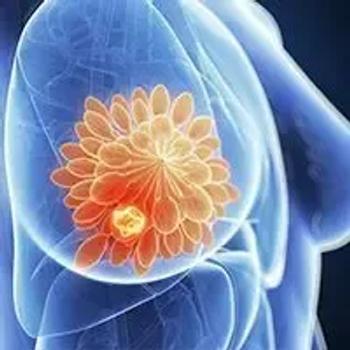
The HER2-directed ADC FS-1502 was well tolerated and generated early signals of antitumor activity in patients with HER2-expressing breast cancer.
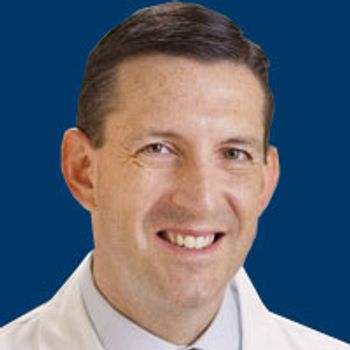
Mikkael A. Sekeres, MD, discusses the FDA approval of imetelstat for patients with low- to intermediate-1–risk MDS, highlighting data from a subanalysis.
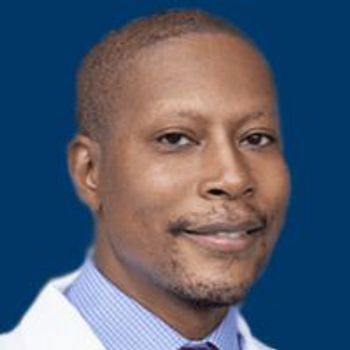
Tycel Phillips, MD, highlights key takeaways in NHL, MDS, and myelofibrosis from an OncLive State of the Science Summit on hematology.
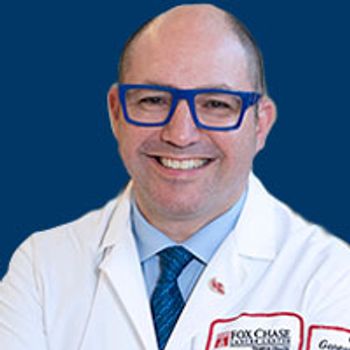
Jeffrey M. Farma, MD, FACS, has been appointed Chair of Surgery at Fox Chase Cancer Center.
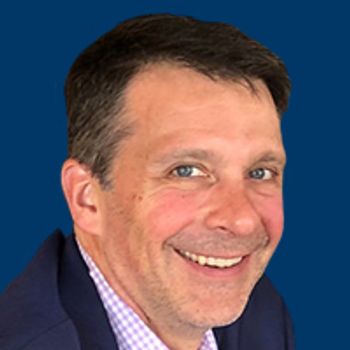
Paxalisib improved OS over SOC in patients with newly diagnosed glioblastoma and unmethylated MGMT promotor status.
Curium has submitted an NDA to the FDA for its formulation of lutetium Lu 177 dotatate for SSTR-positive gastroenteropancreatic neuroendocrine tumors.

Up to 12 months of treatment with SGX301 produced lesion responses in patients with early-stage cutaneous T-cell lymphoma.