
Erika P. Hamilton, MD, discusses recent FDA approvals in the treatment paradigm of HER2-positive breast cancer.

Your AI-Trained Oncology Knowledge Connection!
Erika P. Hamilton, MD, discusses recent FDA approvals in the treatment paradigm of HER2-positive breast cancer.
Robert L. Coleman, MD, discusses targeting tumor vasculature and angiogenesis in ovarian cancer.

A new drug application has been submitted for ivosidenib for patients with relapsed/refractory IDH1-mutant acute myeloid leukemia, according to a statement from Agios Pharmaceuticals, the company developing the targeted therapy.
Shirley Michelle Shiller, DO, discusses progress with precision medicine for patients with gastrointestinal cancers.
Alicia Morgan, MD, discusses the role of PARP inhibitors as a novel treatment strategy for patients with metastatic castration-resistant prostate cancer.

The FDA has updated the label for nilotinib with a provision stipulating that patients with Philadelphia chromosome-positive chronic myeloid leukemia in the chronic phase who have received the BCR-ABL tyrosine kinase inhibitor for at least 3 years and have achieved specific predetermined criteria may be eligible to stop treatment.

Raghava R. Induru, MD, discusses lesser-known mutations in non-small cell lung cancer, such as TRK and BRAF.

The combination of rituximab and lenalidomide followed by maintenance therapy with the same regimen did not improve response nor progression-free survival compared with rituximab and chemotherapy with rituximab maintenance for patients with previously untreated follicular lymphoma.
The FDA has approved a new breast-specific stereotactic body radiotherapy device known as GammaPod as a treatment for patients with breast cancer, based on findings from a 17-patient study.

Roche has announced plans to acquire the ROS1/TRK inhibitor entrectinib, through an all-cash $1.7 billion-dollar merger with Ignyta.
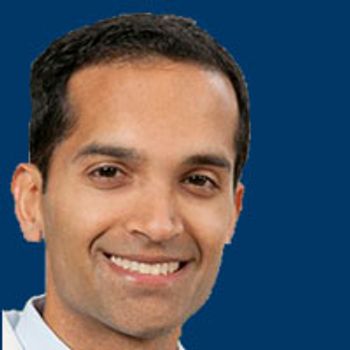
Sagus Sampath, MD, discusses ongoing studies exploring checkpoint inhibitors with radiation therapy and the promise of integrating these 2 treatments in the field of non-small cell lung cancer.
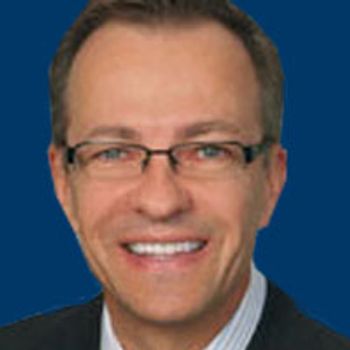
Bradley J. Monk, MD, discusses pivotal trials, as well as the potential for immunotherapy in ovarian cancer.

The European Commission has approved alectinib for the frontline treatment of patients with ALK-positive metastatic non–small cell lung cancer.

The FDA has granted a priority review to a supplemental new drug application for the use of dabrafenib combined with trametinib as an adjuvant treatment for patients with BRAF V600E– or V600K–positive stage III melanoma following complete resection.

The FDA has granted the PD-L1 inhibitor avelumab a breakthrough therapy designation for use in combination with the VEGF inhibitor axitinib in treatment-naïve patients with advanced renal cell carcinoma.

Two-year findings from the follow-up phase III CONTI-PV randomized trial showed that ropeginterferon alfa-2b, a novel pegylated formulation of interferon alfa-2b, reached a significantly higher rate of complete hematologic response versus hydroxyurea in patients with polycythemia vera.
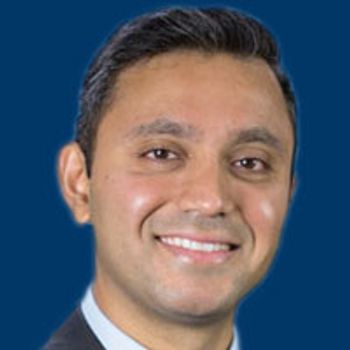
Arjun Balar, MD, discusses novel immunotherapy combinations for the treatment of patients with bladder cancer.
The FDA has granted a priority review to a new drug application for apalutamide for the treatment of patients with nonmetastatic castration-resistant prostate cancer.
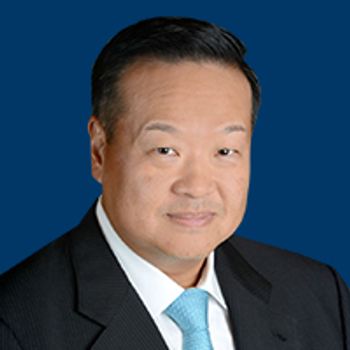
Edward S. Kim, MD, discusses the advancements in lung cancer in 2017, specifically in EGFR- and ALK-positive patients and those with PD-L1 expression.

The consolidated tax bill that now goes to President Trump’s desk for a signature carries with it dire warnings from oncology interest groups that access to care will suffer under the federal spending cutbacks that are expected to result.
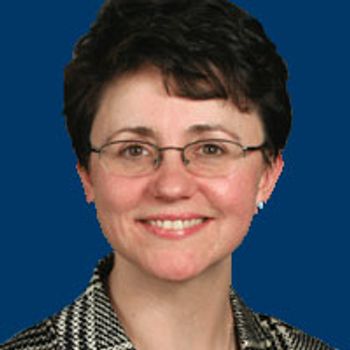
The United Kingdom's National Institute for Health and Care Excellence has issued guidance supporting approval for ribociclib and palbociclib for patients with hormone receptor-positive/HER2-negative locally advanced or secondary breast cancer.
The FDA has approved pertuzumab in combination with trastuzumab and chemotherapy as an adjuvant treatment for patients with HER2-positive early breast cancer at high risk for recurrence.

The FDA has approved nivolumab as an adjuvant treatment for patients with completely resected melanoma with lymph node involvement or metastatic disease.

Progression-free survival remained superior over time in patients with relapsed/refractory multiple myeloma treated treated with combination therapy that included the anti-CD38 antibody daratumumab (Darzalex).
About two-thirds of patients with hydroxyurea-resistant/intolerant polycythemia vera or high-risk essential thrombocytopenia had objective responses to pegylated interferon alfa-2a.
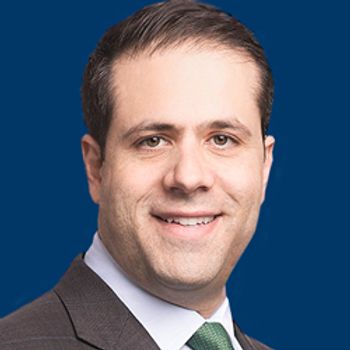
Loxo Oncology has initiated a rolling submission of data for a NDA to the FDA for the novel pan-TRK inhibitor larotrectinib (LOXO-101) as a treatment for adult and pediatric patients with TRK fusion-positive advanced solid tumors.
Two-thirds of older patients with acute myeloid leukemia achieved complete responses with the combination of venetoclax (Venclexta) and cytarabine.

Findings from the phase III IMpower150 study have placed renewed focus on the optimal role for immunotherapy in the frontline setting for patients with advanced non
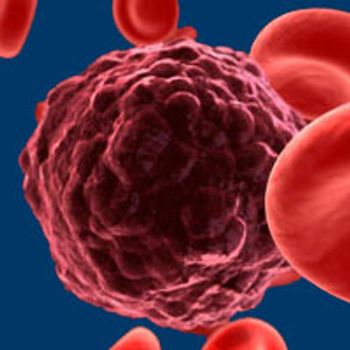
Responses to ruxolitinib (Jakafi) in patients with polycythemia vera were maintained by a majority of primary responders at 4 years’ follow-up.
Use of both a Pap smear and an HPV test did not identify more cervical cancers than HPV testing alone.