

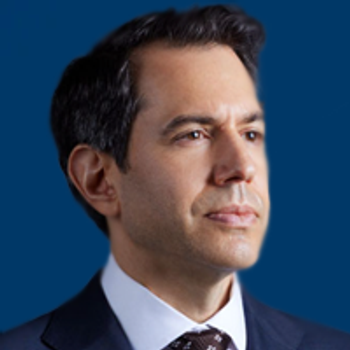
Alexander Kutikov, MD, FACS, chair of the Department of Urology and the Roberta R. Scheller Chair in Urologic Oncology at Fox Chase Cancer Center, will receive the Andrew C. Novick Award from the Kidney Cancer Association.

Your AI-Trained Oncology Knowledge Connection!
Alexander Kutikov, MD, FACS, chair of the Department of Urology and the Roberta R. Scheller Chair in Urologic Oncology at Fox Chase Cancer Center, will receive the Andrew C. Novick Award from the Kidney Cancer Association.
The mitigation and management of toxicities is a key component of treating patients with biliary tract cancers with targeted therapies.

Although advancements were “simple” to track for more than 40 years and left few questions open for evaluation in the ovarian cancer treatment paradigm, new questions have begun to develop surrounding the complexity of care.
The combination of PDS0101, PDS0301 (formerly M-9241), and bintrafusp alfa, an investigational immune checkpoint inhibitor extended survival in patients with advanced human papillomavirus 16–positive cancers, according to final data from a phase 2 trial (NCT04287868) led by the National Cancer Institute.
Durvalumab plus concurrent transarterial chemoembolization followed by durvalumab with bevacizumab resulted in a significant improvement in PFS over TACE alone in patients with hepatocellular carcinoma who are eligible for embolization, meeting the primary end point of the phase 3 EMERALD-1 trial.
The FDA has granted priority review to the supplemental biologics license application seeking approval to expand the indication of lisocabtagene maraleucel to include patients with chronic lymphocytic leukemia or small lymphocytic lymphoma who had prior exposure to a BTK inhibitor and a BCL-2 inhibitor.
Mount Sinai investigators have developed a new approach for treating invasive bladder cancer without the need for surgical removal of the bladder, according to a recently published study.
The FDA has updated the current indication for pembrolizumab plus trastuzumab, fluoropyrimidine, and platinum-containing chemotherapy for the frontline treatment of patients with locally advanced unresectable or metastatic HER2-positive gastric or GEJ adenocarcinoma to those whose tumors express PD-L1 with a CPS of 1 or more.

In the real-world setting, cases of ocular adverse effects have emerged with greater frequency both in new and established therapies than has been previously observed in many clinical trials.

Gilles Salles, MD, PhD, expands on how data from recent clinical trials have helped shift the treatment paradigm for patients with diffuse large B-cell lymphoma.

Nicole Lamanna, MD, discusses treatment options for patients with chronic lymphocytic leukemia who develop resistance to a prior treatment.
The FDA has approved fruquintinib (Fruzaqla) for the treatment of adult patients with metastatic colorectal cancer who have been previously treated with fluoropyrimidine-, oxaliplatin-, and irinotecan-based chemotherapy, an anti-VEGF therapy, and, if RAS wild-type and medically appropriate, an anti-EGFR therapy.
The FDA has approved fruquintinib (Fruzaqla) for the treatment of adult patients with metastatic colorectal cancer who have been previously treated with fluoropyrimidine-, oxaliplatin-, and irinotecan-based chemotherapy, an anti-VEGF therapy, and, if RAS wild-type and medically appropriate, an anti-EGFR therapy.
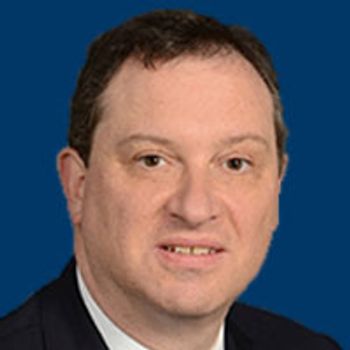
Along with the combination of venetoclax and obinutuzumab, the BTK inhibitor–based regimens of zanubrutinib monotherapy and acalabrutinib plus obinutuzumab represent the preferred options in the National Comprehensive Cancer Network Guidelines for the first-line treatment of patients with chronic lymphocytic leukemia without 17p deletions or TP53 mutations.

Treatment with the oral innate immune activator BXCL701 combined with pembrolizumab demonstrated prolonged overall survival in patients with metastatic castration-resistant prostate cancer of adenocarcinoma phenotype.

The addition of pyrotinib to trastuzumab and docetaxel led to a significant improvement in progression-free survival compared with placebo plus trastuzumab and docetaxel in patients with newly diagnosed, HER2-positive metastatic breast cancer.
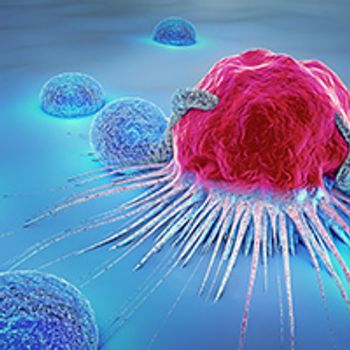
Mount Sinai study is first to document association that had been hypothesized.

Because STEAP1 is often overexpressed in prostate cancer, a disease that still largely lacks safe and effective treatment options, investigators are using it as the basis for developing novel therapies.

The combination of inetetamab, pertuzumab, paclitaxel, and carboplatin elicited responses with an acceptable safety profile when administered as neoadjuvant treatment in patients with locally advanced HER2-positive breast cancer.

CMG901 induced responses with a manageable toxicity profile in patients with CLDN18.2-positive gastric or gastroesophageal junction cancer, according to updated data from the dose-expansion phase of the phase 1 KYM901 study.

The combination of domvanalimab, zimberelimab, and FOLFOX elicited responses in patients with locally advanced unresectable or metastatic gastric, gastroesophageal junction, or esophageal adenocarcinoma, irrespective of PD-L1 status.

Mark Leick, MD, discusses how the emergence of CAR T-cell therapies have affected the treatment paradigms in various hematologic malignancies, expands on how persisting challenges with the use of this type of treatment are being addressed, and details research into the use of CAR T-cell therapy in patients with solid tumors.
Kathryn C. Arbour, MD, discusses the unique mechanism of action of RMC-6236, the preliminary efficacy and safety findings for this agent in patients with KRAS-mutant NSCLC, and future directions for the RMC-6236-001 trial.
Belzutifan significantly reduced the risk of progression of clear cell renal cell carcinoma, the most common type of kidney cancer, in patients previously treated with immune checkpoint inhibitors and anti-angiogenic therapies compared with everolimus in a phase 3 clinical trial.

First-line treatment with the PD-1/CTLA-4 bispecific antibody cadonilimab in combination with oxaliplatin and capecitabine led to a statistically significant improvement in overall survival vs placebo plus oxaliplatin and capecitabine in patients with unresectable locally advanced or metastatic gastric or gastroesophageal junction adenocarcinoma, meeting the primary end point of the phase 3 AK104-302 trial.
Despite advanced ovarian and endometrial cancer still being accompanied by a poor prognosis and remaining largely difficult-to-treat diseases, optimism among clinicians has steadily ramped up in recent years with the development of multiple new promising agents and treatment regimens.
Treatment with vic-trastuzumab duocarmazine demonstrated a trend toward numerically prolonged overall survival compared with physician’s choice of treatment in patients with pretreated HER2-positive metastatic breast cancer.
The FDA has cleared the investigational new drug application for CHM 2101, a novel CDH17-targeted CAR T-cell therapy, for the treatment of patients with gastrointestinal cancers.

The addition of panitumumab to FOLFIRINOX or mFOLFOX6 led to comparable overall response rates and complete response rates in patients with RAS or BRAF V600E wild-type, unresectable, metastatic colorectal cancer without liver-limited disease.
The combination of garsorasib and cetuximab elicited responses and was found to be well tolerated in heavily pretreated patients with KRAS G12C–mutated colorectal cancer.