
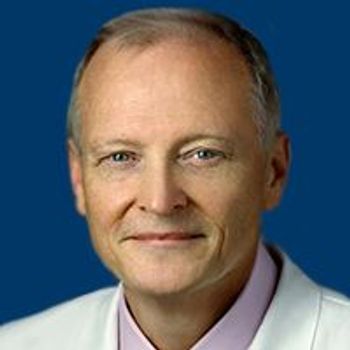
John L. Marshall, MD, provides an overview of esophageal squamous cell carcinoma and discusses several key updates to the treatment landscape, including putting data in the context of the treatment algorithm.

Your AI-Trained Oncology Knowledge Connection!
John L. Marshall, MD, provides an overview of esophageal squamous cell carcinoma and discusses several key updates to the treatment landscape, including putting data in the context of the treatment algorithm.
Fixed-duration treatment with ibrutinib and venetoclax led to deeper and prolonged undetectable minimal residual disease responses vs chlorambucil and obinutuzumab in the frontline treatment of elderly or unfit patients with chronic lymphocytic leukemia, translating to fewer relapses in the first year following treatment cessation.
A combination regimen comprised of sotorasib and BBP-398 has been awarded a fast track designation from the FDA for use as a potential therapeutic option in adult patients with previously treated, KRAS G12C–mutated, metastatic non–small cell lung cancer.
The combination of avelumab and axitinib demonstrated promising response rates and progression-free survival and an expected safety profile in pretreated patients with advanced type B3 thymoma and thymic carcinoma, according to findings from an ongoing phase 2 study.
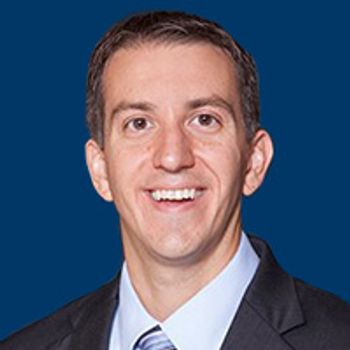
Jeff Yorio, MD, discussed the decision-making process for treating patients with BRAF-mutant melanoma, the use of immunotherapy in melanoma, and the management of cutaneous squamous cell carcinoma and basal cell carcinoma.
Representatives from Elevar Therapeutics and the FDA held a positive pre–new drug application meeting to discuss the combination of rivoceranib and camrelizumab as a potential therapeutic option for patients with hepatocellular carcinoma.
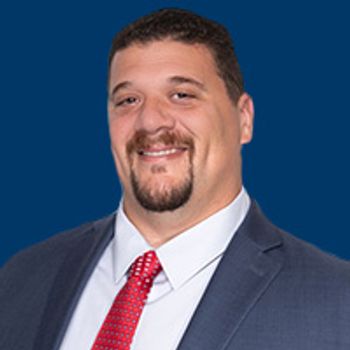
Florida Cancer Specialists & Research Institute, LLC celebrated the groundbreaking for a new cancer center in Wesley Chapel at 30142 State Road 56, Wesley Chapel, Florida 33543.
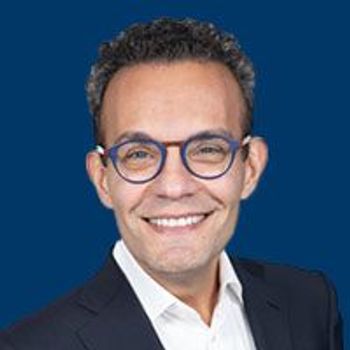
Zanubrutinib produced a superior progression-free survival benefit compared with ibrutinib in previously treated patients with relapsed/refractory chronic lymphocytic leukemia or small lymphocytic lymphoma, according to the final PFS analysis of the phase 3 ALPINE trial.
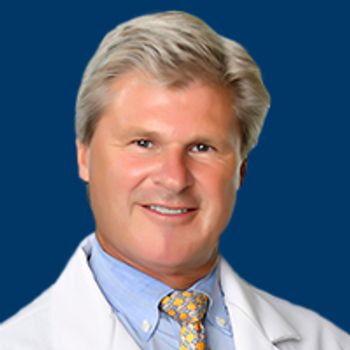
Mark A. Socinski, MD, has become internationally known for his research into the molecular drivers of lung cancer and his contributions to the refinement of multidisciplinary care.
González-Martín discusses the updated long-term efficacy and safety data from the PRIMA study, the importance of utilizing PARP inhibitors in patients with homologous recombination–deficient tumors, and the benefit observed with niraparib in those with homologous recombination–proficient tumors.

The combination of TQB2450 plus anlotinib generated responses and showcased a manageable safety profile in patients with recurrent or metastatic advanced endometrial cancer, according to data from the phase 2 TQB2450 II 08 trial.
Findings from the DREAMseq trial indicate that nivolumab plus ipilimumab should be administered prior to the combination of a BRAF and MEK inhibitor in patients with advanced BRAF-mutant melanoma.
The FDA has accepted and granted priority review to a supplemental biologics license application for sacituzumab govitecan for the treatment of with unresectable locally advanced or metastatic hormone receptor–positive, HER2-negative breast cancer after endocrine-based therapy and at least 2 additional systemic therapies in the metastatic setting.
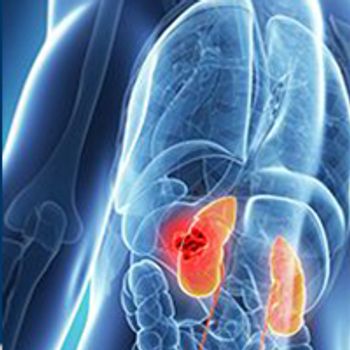
Patients with non–clear cell renal cell carcinoma and sarcomatoid differentiation experience inferior outcomes to standard systemic therapy compared with those with clear cell disease.
Adrian V. Lee, PhD, a leading breast cancer researcher at UPMC Hillman Cancer Center and the University of Pittsburgh School of Medicine, will join the Susan G. Komen Scientific Advisory Board to help lead Komen’s overall research strategy and investments.
R. Lor Randall, MD, FACS, discusses how disparities may lead to worse outcomes for patients diagnosed with head and neck cutaneous soft tissue sarcomas.

Sequencing complexities with chemotherapy-based regimens in metastatic breast cancer pose unique challenges for valuebased decision-making in routine practice.
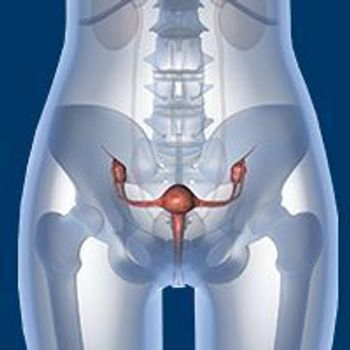
Single-agent dostarlimab-gxly produced progression-free survival and overall survival benefits in patients with advanced or recurrent mismatch repair–deficient/microsatellite instability–high endometrial cancer.
Bendamustine plus rituximab followed by autologous stem cell transplant and maintenance rituximab led to comparable outcomes defined by progression-free survival and objective response rate compared with R-CHOP/R-DHAP and ASCT as induction therapy in patients with mantle cell lymphoma.
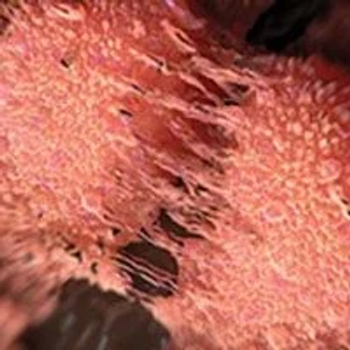
The combination of nivolumab and ipilimumab (Yervoy) was associated with worse clinical benefit in patients with metastatic clear cell renal cell carcinoma who have low serum iron compared with patients with normal/high serum iron.
Tivozanib demonstrated an improvement in overall survival compared with sorafenib in pretreated patients with advanced clear cell renal cell carcinoma, particularly in those who remained progression-free at 1 year and beyond.
Further enhancing its focus on providing outstanding, innovative and compassionate care for cancer patients, Rutgers Cancer Institute of New Jersey, the state’s leading cancer center and only NCI-designated Comprehensive Cancer Center together with RWJBarnabas Health, are welcoming a new leader to its team of internationally recognized physicians and researchers.
Toni K. Choueiri, MD, provides perspective on key research in renal cell carcinoma, including the first demonstration of benefit with triplet therapy in metastatic clear cell disease, the expansion of HIF-2α inhibition into the first line, and success with VEGF/immune-oncology approaches in the non–clear cell population.
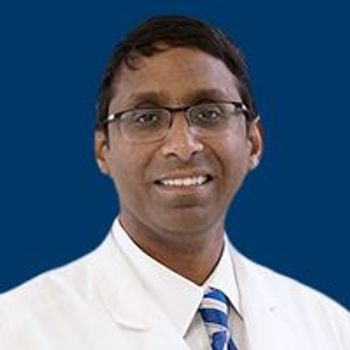
Smoking is associated with the most widely known cancer causing carcinogen across the world. However, a second, more insidious factor has been increasingly recognized for its role in promoting cancer growth: obesity.
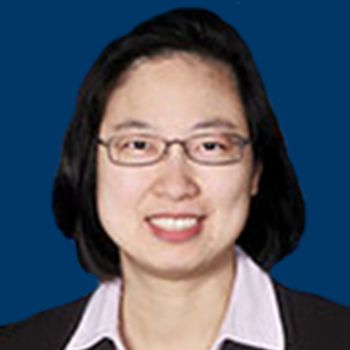
Jeanny B. Aragon-Ching, MD, FACP, discusses the results of the subgroup analysis in patients with urothelial carcinoma who received frontline avelumab maintenance for at least 12 months on the phase 3 JAVELIN Bladder 100 trial.
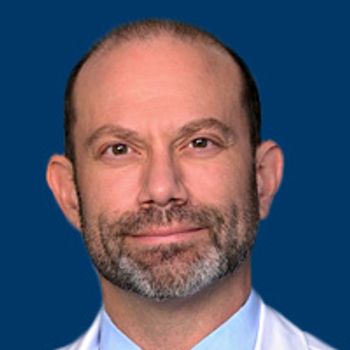
Gilteritinib, in combination with induction and consolidation chemotherapy, generated responses in patients with newly diagnosed acute myeloid leukemia, including those with FLT3 mutations, according to data from a phase 1 trial.
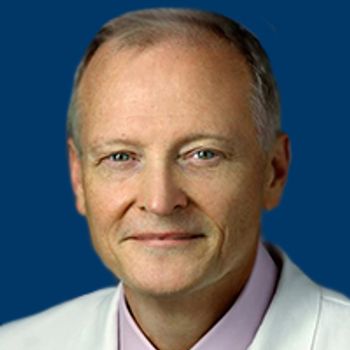
John Lindsay Marshall, MD, discusses past, present, and future developments in molecular testing, as well as the unique offerings of tissue and blood tests and the ways in which these precise approaches will ultimately make cancer diagnosis and treatment more efficient and effective.
Luspatercept produced favorable safety and long-term efficacy in patients with untreated lower-risk myelodysplastic syndromes, irrespective of subtype.
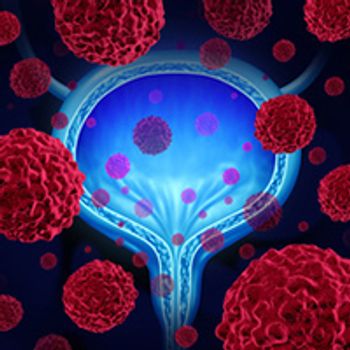
Sebastian C. Schmid, MD, discusses the results of the RACE IT trial, what the data mean for patients with locally advanced urothelial carcinoma, and the next steps for researching neoadjuvant radioimmunotherapy in this patient population.
Nicolas Girard, MD, PhD, highlights current treatment practices, the value real-world data would provide for future investigative approaches in SCLC, and the observed benefit of administering available treatment options such as lurbinectedin as early as possible.