

The combination of pegylated liposomal doxorubicin, cyclophosphamide, trastuzumab, and pertuzumab elicited encouraging responses with acceptable safety when given as neoadjuvant treatment in patients with HER2-positive breast cancer.

Your AI-Trained Oncology Knowledge Connection!
The combination of pegylated liposomal doxorubicin, cyclophosphamide, trastuzumab, and pertuzumab elicited encouraging responses with acceptable safety when given as neoadjuvant treatment in patients with HER2-positive breast cancer.

Researchers are investigating ways to make immunotherapies more effective.

An independent data monitoring committee has recommended that the phase 2 ENVASARC trial examining envafolimab with and without ipilimumab in patients with undifferentiated pleomorphic sarcoma and myxofibrosarcoma continue as planned.
Patients with polycythemia vera, a myeloproliferative neoplasm associated with JAK2 mutations and overproduction of red blood cells, often require regular therapeutic phlebotomies to avoid thrombosis.

Jane Lowe Meisel, MD, discussed the emergence of HER2-low as a new category in breast cancer, outlining the significance of the phase 3 DESTINY-Breast04 trial and the unique qualities of trastuzumab deruxtecan in the HER2-positive and HER2-low populations.

Single-agent neratinib produced robust responses in patients with metastatic or recurrent HER2-mutated cervical cancer, according to updated data from phase 2 SUMMIT basket trial.

Guru P. Sonpavde, MD, provides commentary on several studies in urothelial carcinoma and how data presented at ESMO may affect clinical practice.

DZD1516 monotherapy elicited early clinical activity and was found to be well tolerated in patients with HER2-positive metastatic breast cancer with or without brain metastases.

Melissa L. Johnson, MD, expands on the updated data from the POSEIDEN trial, the rationale for investigating the combination, and what these results mean for the treatment of metastatic non–small cell lung cancer.
Ivosidenib plus venetoclax with or without azacitidine showed an expected and tolerable safety profile with durable responses and a prolonged survival rate across acute myeloid leukemia disease groups.
The American Cancer Society has awarded Montefiore Einstein Cancer Center more than $2.1 million to support cancer research and reduce individual and systematic barriers that prevent people from accessing cancer care.

Clinicians looking for additional options for the treatment of patients with non–small cell lung cancer may soon be gaining another actionable biomarker with the emergence of exciting new data concerning targeting the cell-surface glycoprotein TROP-2.

Fam-trastuzumab deruxtecan-nxki preserved quality of life vs physicians choice of treatment in patients with advanced, hormone receptor–positive/HER2-low metastatic breast cancer.

Response to pembrolizumab monotherapy was observed regardless of prior response to chemotherapy in patients with advanced urothelial cancer.
Patients with locally advanced or metastatic intrahepatic cholangiocarcinoma who received the FGFR inhibitor derazantinib derived a meaningful clinical benefit with a manageable safety profile.

The FDA has granted a fast track designation to CUE-101 for use as a monotherapy and in combination with pembrolizumab in patients with human papillomavirus recurrent or metastatic head and neck squamous cell carcinoma.
The addition of dostarlimab to chemotherapy led to an improvement in objective response rate vs pembrolizumab plus chemotherapy in patients with newly diagnosed metastatic nonsquamous non–small cell lung cancer.

Sylvester Comprehensive Cancer Center researchers Lluis Morey, PhD, and Ramiro Verdun, PhD, have received a $1.8 million NIH R01 grant to study the epigenetic mechanisms that drive head and neck cancers.

The FDA has granted a fast track designation to eftilagimod alpha for use in combination with pembrolizumab as a frontline treatment for patients with stage IIIB/IV non–small cell lung cancer.

Advances in the understanding of the genomics and biological functions of prostate cancer have resulted in the emergence of several new classes of agents that have improved outcomes in men with prostate cancer, including metastatic hormone-sensitive prostate cancer.
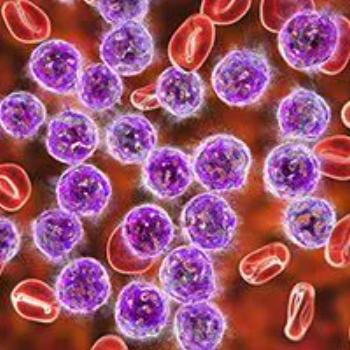
Oral decitabine plus cedazuridine added to oral venetoclax demonstrated promising overall response rates in patients with acute myeloid leukemia who received the combination as a first-line treatment or after relapsing on prior therapies.

The FDA has agreed on key elements of the clinical program to support the biologic license application for the combination of PDS0101 and pembrolizumab for the treatment of unresectable, recurrent/metastatic HPV16-positive head and neck squamous cell carcinoma.

The FDA has granted a fast track designation to sapanisertib as a potential therapeutic option in patients with unresected or metastatic squamous non–small cell lung cancer whose tumors harbor an NRF2 mutation and who have previously received platinum-based chemotherapy and immune checkpoint inhibition.
The FDA has approved use of the PATHWAY anti-HER2/neu rabbit monoclonal primary antibody as a companion diagnostic to identify patients with HER2-low metastatic breast cancer who are eligible for treatment with trastuzumab deruxtecan.
A biologics license application seeking the approval of a reformulation of denileukin diftitox for use as a potential therapeutic option in patients with persistent or recurrent cutaneous T-cell lymphoma has been submitted to the FDA.

The addition of SCO-101 to FOLFIRI chemotherapy was safe and tolerable but failed to elicit a greater than 30% reduction in tumor volume in patients with metastatic colorectal cancer, though study of the combination will continue.

The addition of talazoparib to enzalutamide produced a statistically significant and clinically meaningful improvement in radiographic progression-free survival vs enzalutamide plus placebo in previously untreated patients with metastatic castration-resistant prostate cancer, with or without homologous recombination repair gene mutations.

Dana-Farber Cancer Institute, one of the world’s leading cancer research and treatment centers, has partnered with the Parker Institute for Cancer Immunotherapy, the leading network of immuno-oncology expertise in the world, as a member of the PICI Network with a goal to better understand the tumor microenvironment across cancer types and translate these basic discoveries to the clinic as impactful cancer immunotherapies.

Zanubrutinib elicited significantly higher response rates and survival benefits compared with ibrutinib in patients with relapsed/refractory chronic lymphocytic leukemia and small lymphocytic lymphoma .

Treatment with pacritinib led to an improvement in transfusion independence and hemoglobin in patients with myelofibrosis according to findings from a retrospective analysis of the phase 3 PERSIST-2 trial.