

Adjuvant everolimus significantly improved recurrence-free survival when compared with placebo in patients with very high-risk renal cell carcinoma.

Your AI-Trained Oncology Knowledge Connection!
Adjuvant everolimus significantly improved recurrence-free survival when compared with placebo in patients with very high-risk renal cell carcinoma.

Cabozantinib plus atezolizumab demonstrated promising clinical activity and a suitable safety profile as first-line therapy in patients with cisplatin- eligible and -ineligible, inoperable locally advanced or metastatic urothelial cancer and as second- or later-line therapy in those who received a prior immune checkpoint inhibitor, according to findings from the phase 1b COSMIC-021 trial.

Results of the ATLANTIS study do not support further investigation of cabozantinib alone as a maintenance therapy after platinum-based chemotherapy in unselected patients with advanced urothelial cancer.

Avasopasem significantly reduced severe oral mucositis across all intensity-modulated radiotherapy landmarks in patients with locally advanced, nonmetastatic head and neck cancer.
Brentuximab vedotin plus doxorubicin, vinblastine, and dacarbazine demonstrated a significant reduction in the risk of death vs doxorubicin, bleomycin, vinblastine, and dacarbazine, with a manageable safety profile consistent with prior findings in patients with previously untreated stage III/IV classical Hodgkin lymphoma.
The selective EGFR inhibitor CLN-081 elicited objective responses in heavily pretreated patients with non–small cell lung cancer with EGFR exon 20 insertions and was found to have an acceptable toxicity profile, according to data from the phase 1/2a CLN-081-001 trial.
The addition of ramucirumab to pembrolizumab elicited significant response among patients with advanced non–small cell lung cancer who experienced disease progression following treatment with PD-1/PD-L1 inhibitors and platinum-based doublet chemotherapy.
Adagrasib led to early onset and deep responses translating to encouraging survival as a single agent in previously treated patients with KRAS G12C–mutated non–small cell lung cancer, according to results from cohort A of the phase 1/2 KRYSTAL-1 trial.
Treatment with the anti–PD-L1 IgG4 antibody sugemalimab resulted in a response for nearly half of patients and a complete response in one-third of patients with relapsed or refractory extranodal natural killer/T-cell lymphoma.
Ibrutinib in combination with bendamustine and rituximab with rituximab maintenance elicited a significant improvement in progression-free survival compared with standard chemoimmunotherapy in older patients with mantle cell lymphoma.
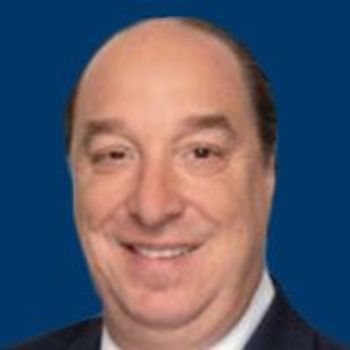
American Oncology Network, LLC, a high-growth medical oncology provider with a focus on supporting the long-term viability of oncology treatment in community-based settings is pleased to announce that Stephen “Fred” Divers, MD has been named as the company’s new Chief Medical Officer.


Fixed-duration venetoclax plus rituximab has shown sustained progression-free survival, overall survival, and minimal residual disease benefits vs bendamustine plus rituximab in patients with relapsed/refractory chronic lymphocytic leukemia, regardless of high-risk biomarkers.

The combination of the humanized anti-GD2 antibody naxitamab-gqgk, irinotecan, temozolomide, and sargramostim met its primary end point for objective response rate in patients with chemoresistant high-risk neuroblastoma.
The rolling biologics license application submission to the FDA to support the approval of omidubicel for patients with blood cancers in need of allogenic hematopoietic stem cell transplant has been completed.

The use of BTK inhibitors as a frontline treatment improved overall survival vs their deployment in subsequent lines of therapy in patients with mantle cell lymphoma, according to a real-world study (IRB-300004501) published in Blood Advances.

The fixed-duration combination of ibrutinib and venetoclax produced deep responses and improved progression-free survival vs chlorambucil plus obinutuzumab when used in previously untreated patients with chronic lymphocytic leukemia who were older and/or who had comorbidities, according to findings from the phase 3 GLOW trial.
For the 10th consecutive year, OncLive® is honored to recognize oncology leaders whose innovations have contributed to immeasurable improvements in outcomes for countless patients.
Investigators at the Montefiore Einstein Cancer Center report that Black and Hispanic patients had outcomes and side effects following CAR-T treatment that were comparable to their white and Asian counterparts, according to findings from a study published in Bone Marrow Transplantation.

Second-line treatment with pemigatinib may be linked with prolonged progression-free survival compared with other systemic therapies in patients with cholangiocarcinoma harboring FGFR2 fusions or rearrangements.
The FDA announced that it has withdrawn approval for umbralisib, an oral inhibitor of PI3K-δ and CK1-ε manufactured by TG Therapeutics.
Chung-Han Lee, MD, PhD, explains the historical barriers to treatment developments in non-clear cell renal cell carcinoma; highlights the efficacy of cabozantinib plus nivolumab in patients with unclassified, translocation, papillary, and fumarate hydratase–deficient non-clear cell renal cell carcinoma; and elaborates on the need for increased molecular classification of the histologic subsets of non-clear cell renal cell carcinoma.
Emerging data with novel antibody-drug conjugates such as trastuzumab deruxtecan-nxki, vic-trastuzumab duocarmazine, and disitamab vedotin are showing encouraging activity in HER2-low breast cancer.

New systemic regimens are being integrated into the treatment paradigm for resectable non–small cell lung cancer in the neoadjuvant and adjuvant settings, expanding options for patients with earlier-stage disease who face a challenging prognosis.
Naomi Dempsey, MD, discusses the role of de-escalation therapy in early-stage, HER2-positive breast cancer and provides highlights from ongoing clinical trials in the space.
Each May during Oncology Nursing Month, Florida Cancer Specialists & Research Institute, LLC recognizes two outstanding nurses within the practice.

Heather McArthur, MD, MPH, described how the data from DESTINY-Breast03 reshapes the treatment landscape and offers added benefit to patients with brain metastases.
Kelsey Klute, MD, discusses the importance of frontline checkpoint inhibitors in advanced gastric cancer, the need for predictive biomarkers in hepatocellular carcinoma, and research investigating immunotherapy in HER2-negative gastric and esophagus cancer and esophagus and gastroesophageal junction cancer.
To date, oncologists have not seen much success with immunotherapy for neuroendocrine tumors.

Nurix Therapeutics has initiated an ongoing phase 1 trial to examine NX-2127, an immunomodulatory oral BTK inhibitor, in patients with chronic lymphocytic leukemia.