
While overall cancer cases are declining, they are on the rise in older adolescents and young adults.

Your AI-Trained Oncology Knowledge Connection!
While overall cancer cases are declining, they are on the rise in older adolescents and young adults.
The FDA has granted priority review to a supplemental biologics license application for the use of cemiplimab-rwlc in the treatment of patients with recurrent or metastatic cervical cancer whose disease progressed on, or after, chemotherapy.

Rohit Jain, MD, MPH, discusses the nuances of treatment selection for patients with platinum-eligible vs -ineligible metastatic urothelial carcinoma, the current state of immunotherapy in this disease, and factors to consider during the decision-making process in RCC and mCRPC.
Despite early induced efficacy first- and second-generation tyrosine kinase inhibitors have limited efficacy for patients with chronic myeloid leukemia.
Hope S. Rugo, MD, discusses the final data from the phase 3 KEYNOTE-355 trial with pembrolizumab plus chemotherapy in patients with metastatic TNBC and the clinical impact on the treatment paradigm.
Jubilee Brown, MD, contextualizes updates in endometrial cancer and cervical cancer, frontline and second-line maintenance, and novel immune-oncology combination strategies in ovarian cancer.
The Japanese Ministry of Health, Labour, and Welfare has approved enfortumab vedotin for the treatment of patients with unresectable urothelial carcinoma that has progressed following chemotherapy.
The addition of pembrolizumab to best supportive care resulted in a statistically significant improvement in overall survival vs BSC alone in Asian patients with advanced hepatocellular carcinoma who previously received treatment with sorafenib, meeting the primary end point of the phase 3 KEYNOTE-394 trial.
The FDA has accepted the supplemental biologics license applications for nivolumab plus ipilimumab and nivolumab plus fluoropyrimidine- and platinum-containing chemotherapy in the frontline treatment of adult patients with unresectable advanced, recurrent, or metastatic esophageal squamous cell carcinoma.
One of the most influential and accomplished figures in the field of cancer immunotherapy has returned to his Western New York roots to take on leadership roles in both research and clinical care at Roswell Park Comprehensive Cancer Center.
Patients with relapsed/refractory multiple myeloma, particularly those who have failed a prior BCMA–targeted therapy, represent a population with an unmet need for effective treatment options. Investigators are hoping to help fill this void with the initiation of the phase 2 MagnetisMM-3 study.
Participating in a clinical trial is the most effective way to gain access to new and potentially better ways to treat cancer, yet we’ve seen a decrease in the number of African American and Hispanic patients participating in oncology trials in 2003 to 2016, compared with 1996 to 2002.

Clinical trial enrollments underwent a substantial decrease during the first year of the COVID-19 pandemic only to rebound during the winter 2020 to 2021 wave, and primarily affected enrollment to cancer control and prevention trials vs treatment trials.
Optellum and the Lung Cancer Initiative at Johnson & Johnson plan to use Optellum’s artificial intelligence-based decision support software in an effort to increase lung cancer survival rates via disease prevention and early intervention.
Counseling, psychotherapy, and mental health services provide the opportunity to develop coping skills and inspire hope; however, patients often experience hurdles to accessing such care. Among these obstacles are cost, unawareness that programs exist, the COVID-19 pandemic, and other external factors.
Updated data from the phase 3 ASCERTAIN trial demonstrated that the oral, fixed-duration combination of decitabine and cedazuridine induced a median overall survival of 31.7 months in patients with intermediate- and high-risk myelodysplastic syndrome, including chronic myelomonocytic leukemia.
The availability of targeted agents for patients with advanced non–small cell lung cancer who harbor mutations in EGFR, RET, MET, and KRAS has not only led to improved outcomes, but provided greater flexibility for treatment-naïve and pretreated populations, with the possibility of enhanced intracranial activity.
Yelena Y. Janjigian, MD, further discusses the clinical significance of the FDA approval of nivolumab plus chemotherapy in the frontline treatment of patients with gastric cancer.
Treatment with CD19-22.BB.z-CAR, a bispecific CAR T-cell therapy targeting CD19 and CD22, elicited high response rates and was well tolerated in adult patients with relapsed/refractory, CD19-positive B-cell acute lymphoblastic leukemia and large B-cell lymphoma.
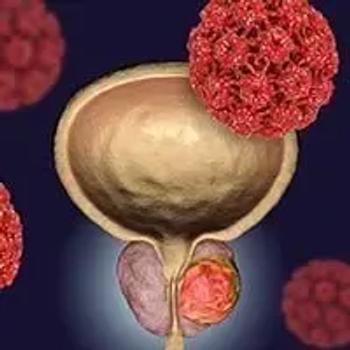
Olaparib in combination with abiraterone acetate demonstrated a significant and clinically meaningful improvement in radiographic progression-free survival vs abiraterone alone as a first-line treatment for patients with metastatic castration-resistant prostate cancer with or without homologous recombination repair gene mutations.
MUSC Hollings Cancer Center researchers received a grant from the Department of Defense to investigate how dietary fat affects the development of colon cancer and to find more effective methods of treatment.
The achievements of Roman Perez-Soler, MD, include studies of anti-EGFR therapies and topoisomerase inhibitors, extensive research on liposomal delivery systems, and early work on patient-derived xenografts in mice.
Ritu Salani, MD, MBA, discussed the clinical rationale to evaluate combination strategies with immunotherapy in ovarian cancer, as well as novel agents in clinical development that could further influence the treatment paradigm.

Fixed-dose eniluracil is being evaluated with escalating doses of capecitabine in patients with advanced, refractory gastrointestinal cancers, or in advanced GI cancers who are intolerant to fluoropyrimidine chemotherapy, as part of an open-label, phase 1b dose-escalation trial.
Albiruni Ryan Abdul Razak, discusses the rationale for examining durvalumab with either olaparib or cediranib in patients with LMS, key data reported with this approach, and next steps for the phase 2 DAPPER study.

Cedars-Sinai Cancer researchers have created a new system for classifying melanoma when the disease has spread to the lymph nodes.
R. Lor Randall, MD, discusses survey results in detail and what the sarcoma community can do to overcome clinical trial enrollment barriers for adolescent and young adult patients.
Data from the phase 2 ROCKstar trial demonstrated that belumosudil induced clinically meaningful, durable responses in patients with chronic graft-vs-host disease, irrespective of previous treatment received, severity of disease, and number of organs involved.
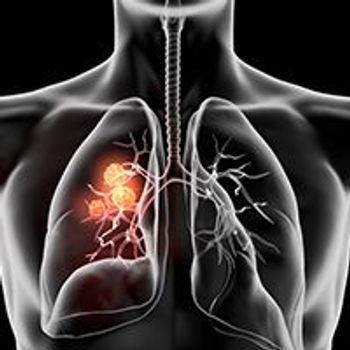
The addition of bevacizumab to erlotinib continued to provide a significant progression-free survival benefit over erlotinib alone when used in the frontline treatment of patients with EGFR-mutated, nonsquamous non–small cell lung cancer, according to data from the final analysis of the phase 3 BEVERLY trial.
The addition of TheraSphere™ Yttrium-90 Glass Microspheres to standard-of-care second-line chemotherapy in patients with colorectal cancer liver metastases led to a significant improvement in progression-free survival and hepatic PFS over chemotherapy alone, meeting both primary end points of the ongoing EPOCH trial.