

Encouraging efficacy data for ripretinib as a later-line therapy for patients with advanced gastrointestinal stromal tumor have investigators hypothesizing new approaches to derive even greater benefit with the agent.

Your AI-Trained Oncology Knowledge Connection!
Encouraging efficacy data for ripretinib as a later-line therapy for patients with advanced gastrointestinal stromal tumor have investigators hypothesizing new approaches to derive even greater benefit with the agent.

Conflicting results regarding the benefit of adjuvant CDK4/6 inhibition in early-stage hormone receptor–positive, HER2-negative breast cancer have prompted many questions regarding patient selection and treatment duration, which many hope will be answered with ongoing biomarker research.

Single-agent pembrolizumab resulted in a significant improvement in disease-free survival when used as an adjuvant treatment in patients with renal cell carcinoma following nephrectomy or nephrectomy and resection of metastatic lesions, meeting the primary end point of the phase 3 KEYNOTE-564 trial.
The combination of nivolumab and ipilimumab and nivolumab plus chemotherapy resulted in a statistically significant overall survival benefit compared with chemotherapy alone in patients with unresectable advanced or metastatic esophageal squamous cell carcinoma.

The success of the COVID-19 vaccines based on messenger RNA has led to a surge of interest from investigators, pharmaceutical companies, and investors in similar technology for other diseases, including a number of oncology indications.

Amit K. Verma, MD, spotlights new agents that have entered the myelodysplastic syndrome treatment arsenal and novel combinations currently under exploration, as well as efforts that are showing promise in patients with acute myeloid leukemia.

Mazyar Shadman, MD, discusses considerations for BTK inhibitors in the treatment of patients with chronic lymphocytic leukemia.
The FDA has recommended the early termination of a phase 2 trial examining the cell-based immunotherapy ERC1671 in combination with granulocyte-macrophage colony-stimulating factor, cyclophosphamide, and bevacizumab in patients with glioblastoma.
The FDA has granted a regular approval to sacituzumab govitecan for the treatment of patients with unresectable locally advanced or metastatic triple-negative breast cancer who have previously received 2 or more systemic therapies, at least 1 of them for metastatic disease.
Pharmacodynamic and pharmacokinetic modeling of the investigational MASP-2 inhibitor narsoplimab supported a weight-based dosing method for patients with hematopoietic stem cell transplant–associated thrombotic microangiopathy.
The coronavirus disease 2019 pandemic had a tremendous impact on the surgical care of patients with breast cancer; practice patterns needed to be rapidly adjusted to continue to safely provide care during a time when resources were very limited.
In December 2020, the FDA approved selinexor in combination with the proteasome inhibitor bortezomib and dexamethasone for patients with MM who have received at least 1 prior therapy.

Nisha A. Mohindra, MD, discusses the integration of lurbinectedin into the small cell lung cancer paradigm and remaining questions regarding future therapeutic directions.
The FDA has approved a new biweekly dosing regimen of 500 mg/m2 as a 120-minute intravenous infusion for cetuximab (Erbitux) for patients with KRAS wild-type, EGFR-expressing colorectal cancer or squamous cell carcinoma of the head and neck.
Mendel Goldfinger, MD, discusses some of the key points of the ECHELON-1 trial data.

Tanya Dorff, MD, discusses how the FDA approvals of olaparib and rucaparib have paved the way for additional research with PARP inhibitors in metastatic castration-resistant prostate cancer.

Jane L. Meisel, MD, discusses managing toxicities associated with ado-trastuzumab emtansine in patients with HER2-positive breast cancer.

Chemoimmunotherapy has become the standard of care for the frontline treatment of patients with PD-L1–positive, locally advanced or metastatic triple-negative breast cancer. However, understanding which patients will derive the most benefit from the approach is in need of further exploration
Ulrich Steidl, MD, PhD, discusses translational research efforts that have been made with targeting leukemia stem cells and ongoing clinical trials that are examining novel therapeutic targets in myeloid malignancies and beyond.
Daniel Lin, MD, MS, highlights pivotal trials evaluating immunotherapy regimens in patients with hepatocellular carcinoma, remaining sequencing questions, and emerging regimens that are showing promise.
In the cancer arena, COVID-19 information problems highlight the critical role of clear, honest, and effective communication with the public, patients, and their families regarding the increasing complexity of a multitude of topics related to malignant disease and its management.
The RET inhibitor TPX-0046 demonstrated encouraging preliminary activity, which included objective responses, and an acceptable toxicity profile when used in patients with RET-driven advanced solid tumors.
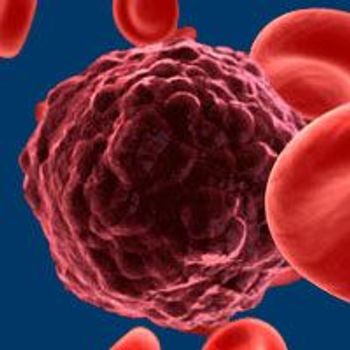
The rolling submission of a biologics license application to support the approval of the investigational BCMA-directed CAR T-cell therapy ciltacabtagene autoleucel for the treatment of patients with relapsed/refractory multiple myeloma has been completed.

Thomas C. Krivak, MD, discusses the significance of HRD in ovarian cancer, approved and prospective HRD tests, and considerations for genomic testing in this population.
Jonathan L. Kaufman, MD, discusses the significance of subcutaneous D-VCd in the treatment of patients with AL amyloidosis, remaining questions with the approach, and emerging strategies for those with high-risk cardiac features.

Michael Wagner, MD, discusses the rationale for using immunotherapy in the treatment of patients with angiosarcoma.
Axel Grothey, MD, discusses the potential applications for ctDNA in CRC and shed light on the updated analysis from the pivotal IMbrave150 trial in advanced hepatocellular carcinoma.

Lakshmi Rajdev, MD, discusses some of the key developments made with immunotherapy in GI cancers and the groundbreaking data that have recently read out to support their use.

Wade T. Iams, MD, discusses the efficacy and safety of lurbinectedin in patients with small cell lung cancer, the impact of its approval on the paradigm, and remaining questions regarding its use.

Optimal patient selection and duration of therapy are the 2 biggest areas to tackle regarding CDK4/6 inhibition in the adjuvant setting of estrogen receptor–positive breast cancer.