
Reema A. Patel, MD, discusses the potential for nanoliposomal irinotecan in pancreatic cancer and other emerging approaches under exploration.

Your AI-Trained Oncology Knowledge Connection!
Reema A. Patel, MD, discusses the potential for nanoliposomal irinotecan in pancreatic cancer and other emerging approaches under exploration.
Kanwarpal S. Kahlon, MD, discusses the nuances of approaching treatment in ITP, updated guidelines to inform treatment selection, and recent data presented during the 2020 ASH Annual Meeting and Exposition that have the potential to advance the field.
Parameswaran Hari, MD, MRCP, discusses single-agent and combination strategies that have recently been introduced to the relapsed/refractory multiple myeloma setting and the nuances to utilizing them in clinical practice.
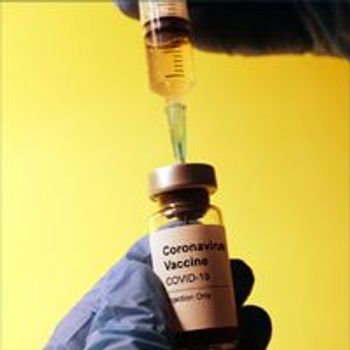
February 18, 2021 - One hundred and thirty organizations, cancer centers, and other institutions sent a letter to President Joe Biden and his administration, as well as other leading public health officials at state health departments to underscore the need to provide patients with cancer and survivors of cancer with priority access to a coronavirus disease 2019 vaccine.
Kabir Mody, MD discusses new directions with yttrium-90 glass microspheres in hepatocellular carcinoma as demonstrated in the retrospective LEGACY study.
February 18, 2021 - Single-agent cemiplimab has been found to result in a significant improvement in overall survival and progression-free survival versus chemotherapy in patients with advanced non–small cell lung cancer who had a PD-L1 expression of at least 50%.
Michael A. Davies, MD, PhD, discusses how he currently approaches treatment for patients advanced BRAF-mutant melanoma as well as exciting areas of current research to address ongoing questions in the community.
Yi Lin, MD, PhD, discusses promising data with CAR T-cell therapy in multiple myeloma.
February 18, 2021 - Two supplemental biologics license applications have been submitted to the FDA for enfortumab vedotin-ejfv to convert the agent’s accelerated approval into a regular one and to expand the current label to include patients with locally advanced or metastatic urothelial cancer who had received prior treatment with a PD-1/PD-L1 inhibitor and are not eligible for cisplatin.
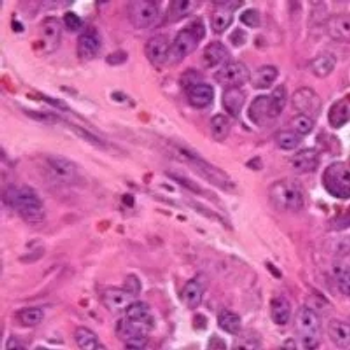
February 18, 2021 — The use of next-generation sequencing demonstrated that 34% of patients with sarcoma had potentially actionable mutations.
The identification of oncogenic driver mutations in non–small cell lung cancer to inform targeted therapy selection is the bedrock of clinical practice in this disease, with current estimates suggesting that more than half of patients harbor an actionable mutation.
Rafael Fonseca, MD, discusses several clinical trials that support the use of quadruplet regimens in myeloma, the utilization of MRD in clinical decision-making, and future directions for research.
Marc J. Braunstein, MD, PhD, discusses the evolution and promise of immunotherapeutics in multiple myeloma.
Parameswaran Hari, MD, MRCP, discusses the efficacy of combination carfilzomib, pomalidomide, and dexamethasone in patients with relapsed/refractory multiple myeloma.
Kristen K. Ciombor, MD, MSCI, discusses responses achieved with preoperative chemoradiation in patients with rectal cancer.
February 17, 2021 - An independent data monitoring committee has concluded that the phase 3 OlympiA trial examining olaparib crossed the superiority boundary for its primary end point of invasive disease-free survival in patients with germline BRCA-mutated, high-risk, HER2-negative early breast cancer.

February 17, 2021 - The FDA has accepted and granted a priority review designation to the biologics license application for Vicineum for use in patients with high-risk Bacillus Calmette-Guérin–unresponsive non–muscle invasive bladder cancer.
February 17, 2021 - Carl H. June, MD, and Steven A. Rosenberg, MD, PhD, have received the 2021 Dan David Prize Laureate for their research in oncology. They, along with Zelig Eshhar, an immunologist at the Weizmann Institute of Science and the Tel Aviv Sourasky Medical Center, will share a prize of $1 million.
The first patient with operable, locally or regionally advanced melanoma has been dosed with the intratumoral DNA plasmid-based interleukin-12 therapy tavokinogene telseplasmid in combination with nivolumab as a neoadjuvant treatment before surgery in the investigator-initiated, phase 2 OMS-104 trial.
February 17, 2021 — The FDA has accepted a supplemental new drug application of zanubrutinib for the treatment of adult patients with Waldenström macroglobulinemia.
February 17, 2021 — Cord blood–derived natural killer immunotherapy, when paired with high-dose chemotherapy and autologous stem cell transplant, showcased early antitumor activity in patients with B-cell non-Hodgkin lymphoma.
Those diagnosed with von Hippel-Lindau disease have a resource for that complete and coordinated care in Roswell Park Comprehensive Cancer Center, which was recently named a VHL Clinical Care Center by the VHL Alliance.

February 17, 2021 – Pamrevlumab, a first-in-class inhibitor of connective tissue growth factor activity, is being evaluated in combination with gemcitabine and nab-paclitaxel (Abraxane) in a phase 3 trial for patients with unresectable locally advanced pancreatic cancer, a population in need of new options.
February 16, 2021 - The FDA has granted priority review to sotorasib for the treatment of patients with KRAS G12C–mutated locally advanced or metastatic non–small cell lung cancer, after at least 1 previous systemic therapy
Eric Klein, MD, discusses safety data with VERU-111 from a phase 2 trial that enrolled patients with metastatic castration-resistant prostate cancer that was presented during the 2021 Genitourinary Cancers Symposium.
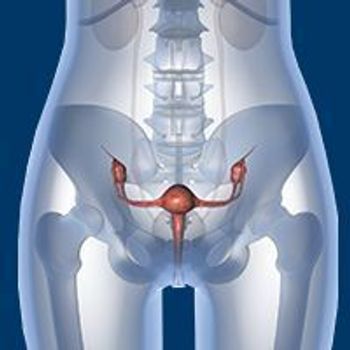
February 16, 2021 - Only 34.3% of 14,689 patients with ovarian cancer received germline genetic testing between 2013 and 2019, revealing persistent underuse of testing among this population.
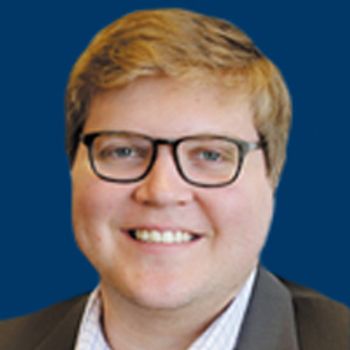
Andrew Mckenzie, PhD, discusses the differences between tissue- and plasma-based NGS tests, factors that can lead to a lack of concordance, and important areas of ongoing research.
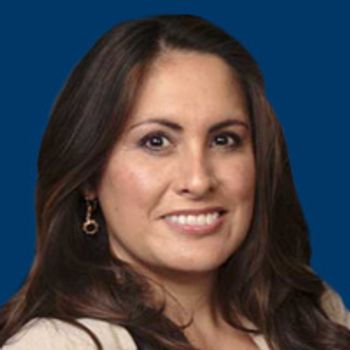
Jacqueline Claudia Barrientos, MD, MS, explaines how she navigates among the options available in the frontline setting for patients with CLL and highlighted ongoing research efforts of interest.
CAR T-cell therapy has shown robust responses and curative potential in patients with diffuse large B-cell lymphoma, regardless of cytogenetics or age.
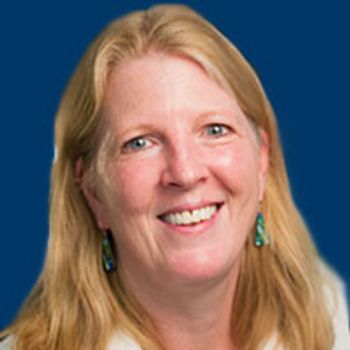
VHL disease is defined as a rare, inherited disorder that causes tumors and cysts to grow in specific areas of the body, including the brain, spinal cord, eyes, inner ear, adrenal glands, pancreas, kidney, and reproductive tract.