
Join us for a live broadcast on Wednesday, June 17, 2020 at 5 PM PST and 8 PM PST.

Your AI-Trained Oncology Knowledge Connection!
Join us for a live broadcast on Wednesday, June 17, 2020 at 5 PM PST and 8 PM PST.
Philip A. Philip, MD, PhD, FRCP, discusses challenges in pancreatic cancer and the emergence of devimistat in the treatment paradigm.
Andrew M. Evens, DO, MSc, discusses the telemedicine initiatives that have been taken at RCINJ—even before the COVID-19 outbreak—as well as proper telemedicine etiquette and best practices for oncologists getting a handle on the new approach in clinical practice.

Sumanta K. Pal, MD, discusses the clinical implications of the COSMIC-021 trial and highlights other exciting research efforts being made in genitourinary cancers.
Alexander Eggermont, MD, PhD, discusses the impact of the 3-year follow-up data from the phase 3 double-blind EORTC 1325/KEYNOTE-054 trial in high-risk stage III melanoma.

Manish A. Shah, MD, discusses the emerging agent zolbetuximab and the antibody-drug conjugate trastuzumab deruxtecan as treatment options for patients with gastric and GEJ cancers.
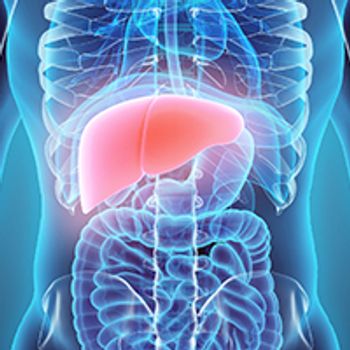
This Onclive® webinar will focus on best practices and multidisciplinary approaches in the management of hepatocellular carcinoma and the impact of the COVID-19 pandemic on treatment selection in patients with HCC. Join us Thursday, June 23, 2020 at 8 PM EST.
Mark M. Awad, MD, PhD, discusses the findings from the study, the importance of identifying patients with METex14 mutations, and the importance of understanding acquired resistance in NSCLC.

Courtney DiNardo, MD, MSCE, discusses the results of the analysis evaluating the timing of response to venetoclax-based combinations, and related disease features, in older patients with AML.

The FDA has granted margetuximab an Orphan Drug designation for the treatment of patients with gastric and gastroesophageal junction cancer.
The FDA has accepted an application for ropeginterferon alfa-2b for use as a treatment for patients with polycythemia vera.
The European Commission has approved subcutaneous formulation of daratumumab for the treatment of patients with multiple myeloma.

Researchers at the UCLA Jonsson Comprehensive Cancer Center analyze gene-expression patterns in the most aggressive prostate cancer grade group—known as Gleason grade group 5—and found that this grade of cancer can actually be subdivided into four subtypes with distinct differences.

Axel Hauschild, MD, PhD, discusses the 5-year findings from the COMBI-AD trial.
Alexandra Drakaki, MD, discusses the ongoing research efforts being made in urothelial cancer, unmet needs and challenges faced in the space, and work that is generating further interest in the field.

The Data and Safety Monitoring Board has advised that the phase 3 DUBLIN-3 trial of the antineoplastic agent plinabulin in patients with advanced or metastatic non–small cell lung cancer who have progressed on standard-of-care therapy can continue without any modifications.
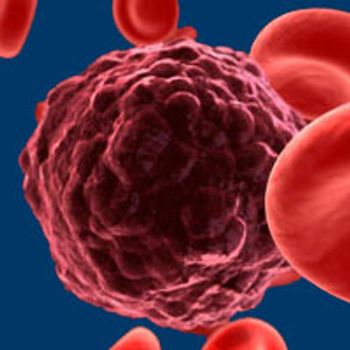
The combination of pevonedistat and azacitidine led to a trend toward improved event-free survival and a numerical improvement in overall survival versus azacitidine alone in patients with higher-risk myelodysplastic syndrome/chronic myelomonocytic leukemia, and low-blast acute myelogenous leukemia.

China's National Medical Products Administration has approved zanubrutinib (Brukinsa) for the treatment of adult patients with chronic lymphocytic leukemia and small lymphocytic lymphoma who have received at least 1 prior therapy, as well as for the treatment of adult patients with mantle cell lymphoma who have received at least 1 prior therapy.

The European Commission has approved encorafenib (Braftovi) in combination with cetuximab (Erbitux) for the treatment of adult patients with BRAF V600E–mutant metastatic colorectal cancer who have received prior systemic therapy.
Scott Kopetz, MD, PhD, FACP, discusses the latest findings from the BEACON CRC study, the importance of testing for BRAF mutations in patients with CRC, and future directions with these agents.
Jennifer Marie Suga, MD, discusses the importance of understanding the current limitations to next-generation sequencing in oncology, the impact of the study findings, and remaining challenges regarding NGS testing in the community setting.
The FDA has granted a priority review designation to a biologics license application for the investigational, humanized monoclonal antibody naxitamab (Danyelza) for the treatment of patients with relapsed/refractory high-risk neuroblastoma.
The European Commission has approved isatuximab in combination with pomalidomide and dexamethasone for the treatment of adult patients with relapsed/refractory multiple myeloma who have received ≥2 prior therapies.
An update on the phase 3 OCEAN study of melflufen in relapsed/refractory multiple myeloma reported that patients stayed on treatment longer than had been previously estimated.

The CD71-directed probody-drug conjugate of monomethyl auristatin E CX-2029 showed tolerability and antitumor activity in patients with advanced cancer.
The addition of veliparib to cisplatin resulted in a significant improvement in progression-free survival and a trend toward improved overall survival in patients with BRCA-like triple-negative breast cancer.

Sander Bach, discusses the rationale for conducting this systematic review in CRC, key inclusion/exclusion criteria, and the potential clinical implications of these findings.
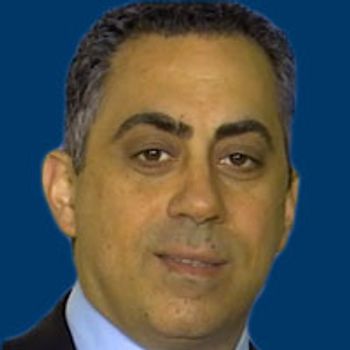
Tanios S. Bekaii-Saab, MD, FACP, discusses the growing role of targeted therapy in CRC.

Jia Ruan, MD, PhD, discusses the current risk-stratification parameters and the evolution of treatment from high-intensity chemoimmunotherapy to novel therapy in mantle cell lymphoma.

Infigratinib was found to demonstrate clinical activity in patients with metastatic urothelial carcinoma, regardless of what line of therapy it was administered.