A European panel has recommended approval of luspatercept for the treatment of anemia in patients with myelodysplastic syndromes and beta thalassemia.

Your AI-Trained Oncology Knowledge Connection!
A European panel has recommended approval of luspatercept for the treatment of anemia in patients with myelodysplastic syndromes and beta thalassemia.

A European panel has recommended approval of a subcutaneous formulation of daratumumab for the treatment of patients with multiple myeloma.
Nizar M. Tannir, MD, FACP, discusses the 42-month follow-up results from the CheckMate-214 trial in advanced renal cell carcinoma and provides perspective on other approved combinations in the frontline setting.

Updated data from the pivotal phase 3 FLASH trial showed that SGX301 (synthetic hypericin) continued to demonstrate strong clinical activity in patients with cutaneous T-cell lymphoma.

Kevin Hughes, MD, highlights the need for widespread implementation of genetic testing in breast cancer.

Quantitative microelastography demonstrated increased sensitivity, specificity, and accuracy in detecting positive surgical margins in combination with optimal coherence tomography versus optimal coherence tomography alone in women who received breast-conserving surgery.

Nabil F. Saba, MD, FACP, discusses how the COVID-19 pandemic has impacted treatment in head and neck cancer and the health care system at large.
The FDA has approved niraparib for use as a frontline maintenance treatment for women with advanced ovarian cancer who responded to platinum-based chemotherapy.

Findings from the pivotal phase 3 PROfound trial of olaparib as a treatment for men with metastatic castration-resistant prostate cancer harboring homologous recombination repair (HRR) gene alterations were published in the New England Journal of Medicine.

Ariela Noy, MD, discusses the rationale and design of the phase 2 study of devimistat in patients with aggressive lymphoma.

Gina Z. D'Amato, MD, discusses the evolution of treatment in sarcoma, the use of next-generation sequencing, and predictive and prognostic biomarkers under investigation in the space.
The FDA has approved an updated dosing schedule for pembrolizumab to include an every-6-weeks option at 400 mg across all indications in adult patients.

Amanda Nickles Fader, MD, discusses the rationale for a phase II study and explains how the findings could open the door to other treatment options for women with uterine serous carcinoma.
R. Lor Randall, MD, FACS, discusses current approaches in the surgical management of patients with osteosarcoma that has metastasized to the lungs.
John N. Allan, MD, discusses the study results of a phase 1b/2 dose-escalation trial with vecabrutinib in patients with B-cell malignancies.
Avapritinib did not improve progression-free survival versus regorafenib in previously treated patients with locally advanced unresectable or metastatic gastrointestinal stromal tumor, missing the primary end point of the phase 3 VOYAGER trial.

A new drug application has been submitted in Japan seeking approval of a subcutaneous formulation of daratumumab.
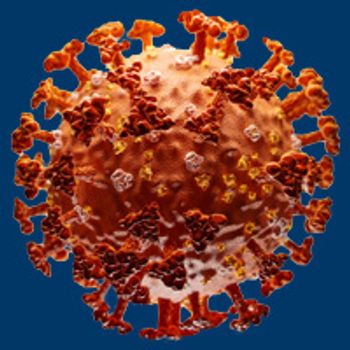
Pacritinib is being explored in the phase 3 PRE-VENT trial as a treatment for cytokine storm in hospitalized patients with severe COVID-19.

Breast surgeon Kristin L. Brill MD, has joined the Sidney Kimmel Cancer Center – Jefferson Health as Enterprise Director of Breast Oncology.
Mobocertinib (TAK-788) has received an FDA breakthrough therapy designation for the treatment of patients with EGFR exon 20-mutant non–small cell lung cancer.

The PD-1 inhibitor cemiplimab significantly improved overall survival as a frontline treatment for patients with high–PD-L1 non–small cell lung cancer.
Gilberto De Lima Lopes, MD, discusses the impact of COVID-19 on his practice and how he is coping with the changes caused by the pandemic.

John A. Abraham, MD, FACS, discusses the role of surgery in the treatment of tenosynovial giant cell tumor, key challenges faced in this space, and the emergence of pexidartinib.
The PD-1 inhibitor dostarlimab demonstrated clinically meaningful activity in patients with mismatch repair–deficient endometrial cancer.
The American Society of Clinical Oncology recognized four Dana-Farber Cancer Institute researchers as winners of ASCO's Special Awards, the Society’s highest honors.
The National Medical Products Administration of China has accepted an application for the PD-1 inhibitor sintilimab injection for use in combination with pemetrexed and platinum-based chemotherapy for the frontline treatment of patients with nonsquamous non–small cell lung cancer.

Emmanuel S. Antonarakis, MBBCh, discusses the efficacy of radium-223 plus sipuleucel-T in patients with bone-metastatic castration-resistant prostate cancer and the next steps for research for this combination.

Aakash Desai, MD, MPH. provides additional insight into his research on COVID-19 risk and patients with cancer and sheds light on how institutions are taking action against the virus.

Olaparib improved overall survival in previously treated patients with metastatic castration-resistant prostate cancer harboring homologous recombination repair gene mutations.

Christopher A. Yasenchak, MD, discusses findings from the phase 2 trial with brentuximab vedotin and nivolumab in patients with newly diagnosed classical Hodgkin lymphoma.