

Positive efficacy data have halted the confirmatory phase III ASCENT study exploring sacituzumab govitecan in patients with metastatic triple-negative breast cancer.

Your AI-Trained Oncology Knowledge Connection!
Positive efficacy data have halted the confirmatory phase III ASCENT study exploring sacituzumab govitecan in patients with metastatic triple-negative breast cancer.

In part 6 of our weekly COVID-19 Webinar Series, our panel of experts will share the latest updates and insights on the novel coronavirus. Join us Wednesday, April 29, 2020 at 8 PM EST.

An expert panel of oncologists addresses the oncology community’s response to the COVID-19 crisis.

Anees B. Chagpar, MD, outlines several strategies to minimize the use of ALND in patients with breast cancer.
Findings from the pivotal phase II ZUMA-2 trial of KTE-X19 as a treatment for adult patients with relapsed/refractory mantle cell lymphoma were published in the New England Journal of Medicine, as the FDA considers a biologics license application for the CAR T-cell therapy for an approval in this setting.
A Biologics License Application has been filed with the FDA for naxitamab for the treatment of patients with relapsed/refractory high-risk neuroblastoma.
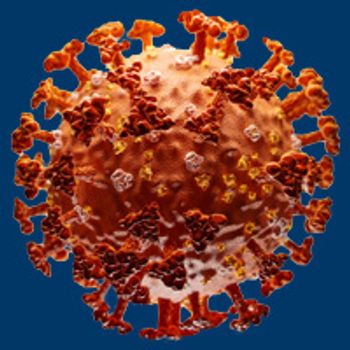
The oncology supportive care agent tocilizumab might effectively treat cytokine storm caused by COVID-19 in patients with blood cancers, according to a case study of a patient with multiple myeloma.
The FDA has approved luspatercept for the treatment of anemia in patients with myelodysplastic syndromes.

UGN-102 for intravesical solution induced a 65% complete response rate in patients with low-grade intermediate-risk non-muscle invasive bladder cancer.
A subset of patients with metastatic castration-resistant prostate cancer who have low tumor mutational burden may benefit from checkpoint inhibition with ipilimumab if the tumor has a high density of CD8-positive T cells and increased interferon-interferon gamma signaling.
Enrique Soto Pérez de Celis, MD, MSc, discusses some of the challenges of treating geriatric patients with breast cancer, emerging treatment options for this patient population, and recommendations for treating older patients.

Jerald P. Radich, MD, discusses the growing importance of MRD assessment in the treatment paradigm for patients with hematologic malignancies.
The oncology drug ruxolitinib is being explored in the planned phase III RUXCOVID trial as a treatment for cytokine storm in patients with COVID-19.

Circulating tumor DNA can be used as a predictive measure of response to neoadjuvant chemotherapy and inform overall prognosis in patients with early-stage breast cancer, providing information that can be used to tailor treatment.
Hossein Borghaei, DO, MS, discusses the impact of COVID-19 on clinical practice and projected how the virus will change practice for the better in the long term.

This OncLive® webinar will focus on the impact of COVID-19 on oncology nursing care and will stream on Thursday April 23, 2020 at 8 PM EDT.

Ghassan K. Abou-Alfa, MD, discusses the most intriguing updates in hepatocellular carcinoma, anticipated sequencing challenges, and novel modalities on the horizon.
The European Commission has approved the rituximab biosimilar Ruxience for the treatment of patients with non-Hodgkin lymphoma, chronic lymphocytic leukemia, rheumatoid arthritis, granulomatosis with polyangiitis and microscopic polyangiitis, and pemphigus vulgaris
Matthew T. Campbell, MD, discusses the evolving treatment options in the renal cell carcinoma paradigm.
Michael A. Choti, MD, MBA, FACS, discusses the role of radiation therapy in neoadjuvant therapy for resectable pancreatic cancer, the many benefits of neoadjuvant therapy over up-front surgery, and minimally invasive surgical procedures that are coming to the forefront in this disease.

From implementing telemedical approaches to resequencing treatments, cancer centers across the nation have nimbly adapted to face the clinical challenges posed by the novel coronavirus 2019 disease.

Frontline pembrolizumab significantly improved progression-free survival versus chemotherapy in patients with microsatellite instability–high or mismatch repair deficient unresectable or metastatic colorectal cancer.

Part 5 of our weekly COVID-19 webinar series will stream on April 22, 2020 at 8 PM.
The investigational antibody-drug conjugate anetumab ravtansine showed promising antitumor activity in heavily pretreated patients with mesothelin-expressing solid tumors.
OSE-2101 met the primary endpoint in the predefined Step-1 analysis of the phase III Atalante 1 trial in patients with HLA-A2 positive non–small cell lung cancer after failure of anti–PD-1/PD-L1 agents.
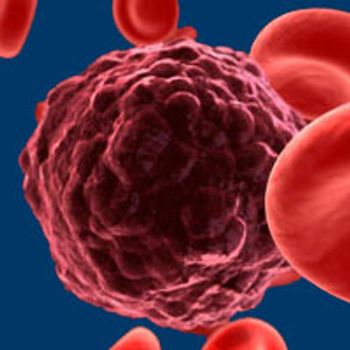
Amid the COVID-19 pandemic and in an effort to help our community, OncLive's parent company will be hosting the virtual MJH Life Sciences Sleeves Up Blood Drive from March 31 through April 30.
The FDA has granted remestemcel-L a priority review designation for the treatment of children with steroid-refractory acute graft versus host disease.

Despite some success stories, most gastrointestinal cancers do not respond to single-agent, or even double-agent, immune checkpoint inhibition, Neeha Zaidi, MD, said in a presentation during the 5th Annual School of Gastrointestinal Oncology™ (SOGO®) conference.
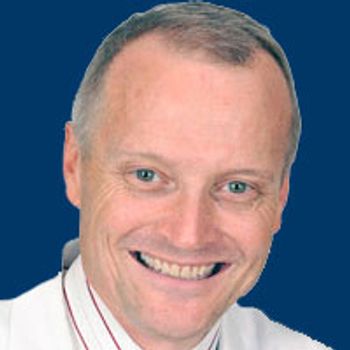
John L. Marshall, MD, reflects on recent advances in the field of metastatic colorectal cancer and discusses ongoing research efforts in the space.

Manish A. Shah, MD, discusses how the management of patients with gastric/GEJ cancer has evolved over the last several years.