

Tanya Siddiqi, MD, discusses the novel agents that have emerged in the treatment paradigm for patients with chronic lymphocytic leukemia.

Your AI-Trained Oncology Knowledge Connection!
Tanya Siddiqi, MD, discusses the novel agents that have emerged in the treatment paradigm for patients with chronic lymphocytic leukemia.

Results from the second prespecified analysis of the TIVO-3 trial showed a hazard ratio for overall survival of 0.99 for tivozanib compared with sorafenib in patients with highly refractory metastatic renal cell carcinoma.

Nina D’Abreo, MD, explains how treatment is being tailored to women with early-stage, HR-positive, HER2-negative breast cancer.

The FDA has granted a fast track designation to AMG 510 for the treatment of patients with KRAS G12C–mutated metastatic non–small cell lung cancer who received prior therapy.

Two distinct subtypes of nonfunctional pancreatic neuroendocrine tumors could help prognosticate risk of recurrence following surgery.

Douglas K. Marks, MD, discusses key developments in the HER2-positive breast cancer space and shed light on novel approaches under investigation.
The question of what the accepted therapeutic strategies for de-intensification in low-risk, HPV-related oropharyngeal squamous cell carcinoma are will be debated in an upcoming discussion.

Lee S. Schwartzberg, MD, discusses the mission of OneOncology as well as the work that is being done to bring biosimilars to the market.

Three months of adjuvant oxaliplatin-based therapy in patients with high-risk, stage II colorectal cancer was found to be inferior to 6 months of treatment.

The European Commission has approved atezolizumab for use in combination with carboplatin and nab-paclitaxel for the first-line treatment of adult patients with advanced, nonsquamous non–small cell lung cancer.
The FDA has granted a breakthrough therapy designation to capmatinib (INC280) as a first-line treatment for patients with MET exon14 skipping—mutated non–small cell lung cancer.
The European Commission has approved atezolizumab for use in combination with carboplatin and etoposide for the frontline treatment of adult patients with extensive-stage small cell lung cancer, according to Roche (Genentech) the developer of the PD-L1 inhibitor.

Steven T. Rosen, MD, discusses the rapid evolution in hematologic cancer treatment and highlighted challenges that have recently emerged.

Manish Patel, DO, discusses advances and remaining questions with chemoimmunotherapy combinations in nonsquamous metastatic non–small cell lung cancer.
Experts from City of Hope share insight on some of the pivotal research being conducted at their institution.
The combination of nivolumab plus standard temozolomide and radiation therapy did not show a statistically significant improvement in progression-free survival compared with temozolomide/radiation therapy alone in patients with newly diagnosed glioblastoma multiforme that is O6-methylguanine-DNA methyltransferase-methylated, missing one of the primary endpoints of the phase III CheckMate-548 trial.

Amrita Krishnan, MD, highlights recent research in relapsed/refractory multiple myeloma.

Sipuleucel-T (Provenge) was associated with a median overall survival of 47.7 months in a subgroup of patients with asymptomatic or minimally invasive metastatic castration-resistant prostate cancer.

Risk-reducing therapies, such as tamoxifen, raloxifene, or aromatase inhibitors, should be administered to women who are at an increased risk for breast cancer and at a low risk for adverse events associated with these medications.
The FDA has granted a breakthrough therapy designation to the investigational gamma-secretase inhibitor nirogacestat (PF-03084014) for the treatment of adult patients with progressive, unresectable, recurrent or refractory desmoid tumors or deep fibromatosis.
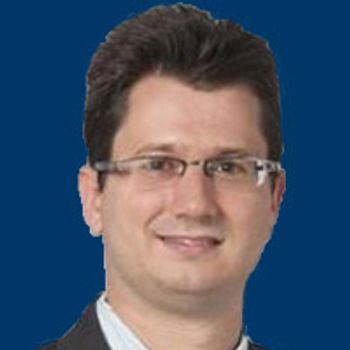
Petros Grivas, MD, highlights the evolving role of immunotherapy in bladder cancer and ongoing research slated to further progress along.

Alexander Drilon, MD, provides insight into his study on the role of larotrectinib in the treatment of patients with TRK fusions and brain metastases or those with primary CNS disease.

The European Commission has approved the combination of pembrolizumab (Keytruda) and axitinib (Inlyta) for the frontline treatment of patients with advanced renal cell carcinoma.

China’s National Medical Products Administration has approved osimertinib for the frontline treatment of adult patients with locally-advanced or metastatic non–small cell lung cancer whose tumors harbor EGFR exon 19 deletions or exon 21 (L858R) substitutions.
The FDA has granted an orphan drug designation to neratinib (Nerlynx) for the treatment of patients with breast cancer who have brain metastases.

Michael A. Rosenzweig, MD, MS, discusses changes in the frontline setting of multiple myeloma.

David S. Snyder, MD, highlights agents currently undergoing clinical trials for polycythemia vera and myelofibrosis as well as how to most effectively treat patients using transplantation.

Poziotinib is being tested in a biomarker-driven trial of patients with non–small cell lung cancer in both second-line and treatment-naïve settings.

Encorafenib (Braftovi) plus binimetinib (Mektovi) had superior overall survival and progression-free survival compared with encorafenib or vemurafenib (Zelboraf) alone in patients with BRAF V600–mutant melanoma.

The tumor-infiltrating lymphocyte therapy LN-145 induced promising response rates with acceptable safety in patients with recurrent, metastatic, or persistent cervical cancer—a patient population of great unmet need.