

The γδ T-cell agent INB-100 demonstrated a 100% relapse-free survival rate in patients with AML.

Your AI-Trained Oncology Knowledge Connection!
The γδ T-cell agent INB-100 demonstrated a 100% relapse-free survival rate in patients with AML.

BOVen met the primary end point of 2-year PFS in a phase 2 study, displaying high response rates in treatment-naive TP53-mutated MCL.

MT-8421, a novel engineered toxin body targeting CTLA-4, was not associated with grade 4 or 5 toxicities in patients with select advanced solid tumors.

SAR444200-mediated targeting of GPC3-expressing solid tumors was safe and showed early signs of antitumor activity in a phase 1/2 study.

The feasibility and safety of treatment with SAR443216 support the further investigation of this agent in patients with advanced HER2-positive tumors.

A new Moffitt Cancer Center study has identified a specific immune response that may prevent the spread of breast cancer cells within the body.

Vepdegestrant improved PFS in ESR1-mutated, ER-positive, HER2-negative metastatic breast cancer, but PFS was not improved in the ITT population.

Amivantamab plus lazertinib was approved in Canada for first-line EGFR-mutated locally advanced or metastatic non–small cell lung cancer.
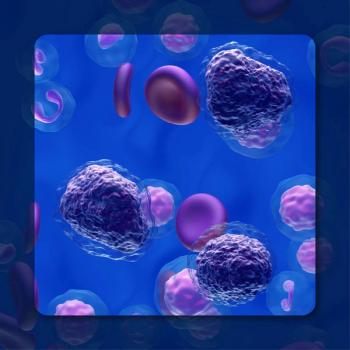
Cema-cel generated CRs, most of which were durable, among patients with relapsed/refractory LBCL who were naive to anti-CD19 CAR T-cell therapy.

Cemiplimab-based therapy is effective and has a safety profile consistent with prior reports in locally advanced/metastatic penile cancer.
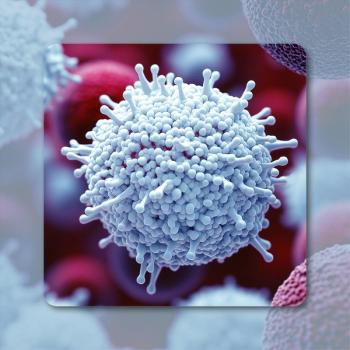
Acalabrutinib plus BR showed OS and PFS efficacy with a tolerable safety profile with long-term follow-up in first-line and R/R MCL.

ALISCA-Breast1 is investigating alisertib plus endocrine therapy in HR-positive, HER2-negative recurrent or metastatic breast cancer.

T-DXd with or without pertuzumab produced responses in first-line, HER2-positive metastatic breast cancer.

Frontline treatment with datopotamab deruxtecan plus durvalumab with/without carboplatin proved active in advanced NSCLC without actionable alterations.

Neratinib-containing combinations are consistently effective across CNS end points in patients with HER2-positive breast cancer brain metastases.
The Chinese NMPA has approved sacituzumab tirumotecan for EGFR-mutant advanced NSCLC following progression on an EGFR TKI and chemotherapy.
China’s NMPA has accepted an MAA seeking the approval of foritinib for ALK-positive advanced non–small cell lung cancer.

Dana-Farber investigators found that normally defunct viral genes that lie dormant in the human genome can be activated in ccRCC.

Lower odds of enrollment in cancer clinical trials could be associated with education, transportation, and neighborhood resources.

Zongertinib showed responses across HER2-mutated tumor types, including in lung cancer, with a tolerable safety profile.

Promising new agents are in development to address the unmet need resulting from resistance to endocrine therapy plus CDK4/6 inhibition in breast cancer.

Preliminary data showed atirmociclib plus letrozole yielded antitumor activity in HR-positive/HER2-negative metastatic breast cancer.

The top 5 OncLive videos of the week cover insights in TGCT, NSCLC, TNBC, AML, and MDS.

Tislelizumab regimen wins approval in ESCC, perioperative durvalumab plus chemotherapy boosts EFS in gastric/GEJ cancer, and more from OncLive this week.

Sara A. Hurvitz, MD, FACP, discusses the growing role of systemic therapy in HER2-positive breast cancer brain metastases.

Patients with high-risk, early breast cancer receiving adjuvant abemaciclib maintained benefit with the agent regardless of dose modification.
Same-day administration of eflapegrastim and cycle 1 of chemotherapy reduced the mean duration of severe neutropenia in early-stage breast cancer.

Megan Melody, MD, discusses her journey as an oncologist and the importance of mentorship and a supportive work environment to empower women in the field.

Benefits were seen with abemaciclib/fulvestrant regardless of metastatic site in HER2-negative advanced breast cancer following prior CDK4/6 inhibition.

Patritumab deruxtecan elicited responses with acceptable safety in hormone receptor–positive, HER2-negative advanced breast cancer.